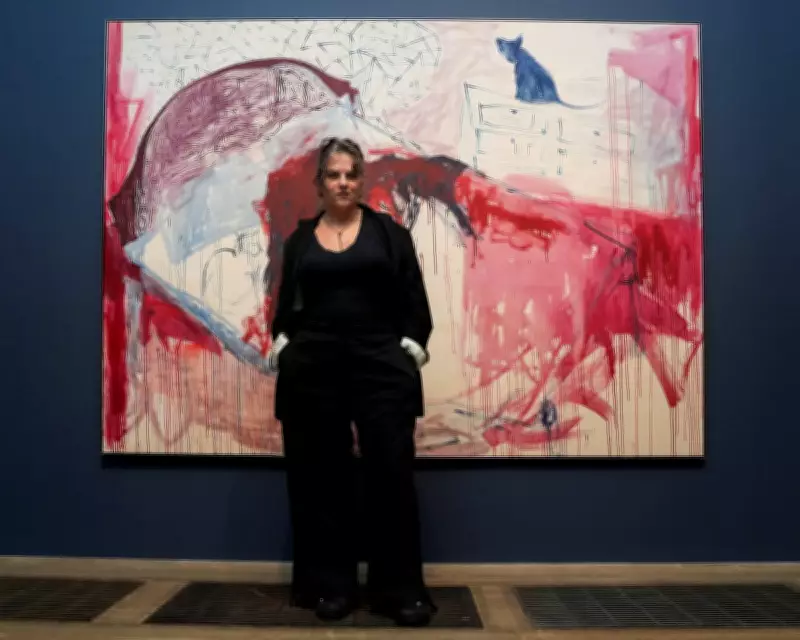
Women Artists Take Center Stage in London's Solo Exhibitions
London's art world is undergoing a significant transformation as solo exhibitions by women artists are experiencing an unprecedented surge. This trend marks a departure from historical norms where male artists, often referred to as "old masters," dominated gallery spaces. The shift is not merely numerical but represents a broader cultural movement towards greater gender equality and diversity in the arts.
Redefining Artistic Narratives
Traditionally, art galleries and museums have heavily featured works by male artists, with women's contributions often marginalized or overlooked. However, recent data and observations indicate a dramatic increase in solo shows dedicated to female artists across London. This explosion of visibility allows for a richer, more inclusive exploration of artistic expression, challenging long-standing biases and offering fresh perspectives.
Experts attribute this change to several factors, including increased advocacy for gender parity, growing public demand for diverse voices, and institutional efforts to address historical imbalances. As a result, galleries are actively curating exhibitions that highlight women's unique artistic visions, from contemporary installations to reinterpretations of classical themes.

Impact on the Cultural Landscape
The rise in solo exhibitions by women artists is reshaping London's cultural identity. It fosters a more dynamic art scene where multiple narratives coexist, moving beyond the monolithic focus on male creators. This shift encourages critical dialogue about representation, power structures, and the evolving role of art in society.
Moreover, it provides emerging and established women artists with crucial platforms to gain recognition, influence trends, and inspire future generations. The trend is also attracting diverse audiences, enhancing engagement with art as a reflective and transformative medium.
Challenges and Future Outlook
Despite progress, challenges remain, such as ensuring sustained support and avoiding tokenism. However, the current momentum suggests a lasting change, with galleries increasingly committed to equitable programming. This movement aligns with global efforts to promote inclusivity in the arts, positioning London as a leader in cultural innovation.
In conclusion, the explosion of solo exhibitions by women artists in London signifies a pivotal moment in art history. By moving over "old masters," it enriches the artistic dialogue, celebrates diversity, and paves the way for a more balanced and vibrant cultural future.