Backyard Harvests Attract Wattlebirds to Urban Gardens
Urban gardeners across cities are reporting an increase in wattlebird sightings in their backyards, a phenomenon linked to the growing trend of home fruit and vegetable cultivation. These native birds, known for their distinctive wattles and loud calls, are being drawn to residential areas as harvests provide readily available food sources, marking a notable shift in urban wildlife behavior.
Rise of Urban Gardening Fuels Wildlife Interactions
The surge in backyard gardening, driven by interests in sustainability and self-sufficiency, has created mini-ecosystems that support local fauna. Wattlebirds, which typically feed on nectar, insects, and fruits, are adapting to these new environments by foraging in gardens rich with berries, figs, and other produce. This interaction highlights how human activities can positively influence urban biodiversity, offering insights into cohabitation strategies.
Observations from Gardeners and Experts
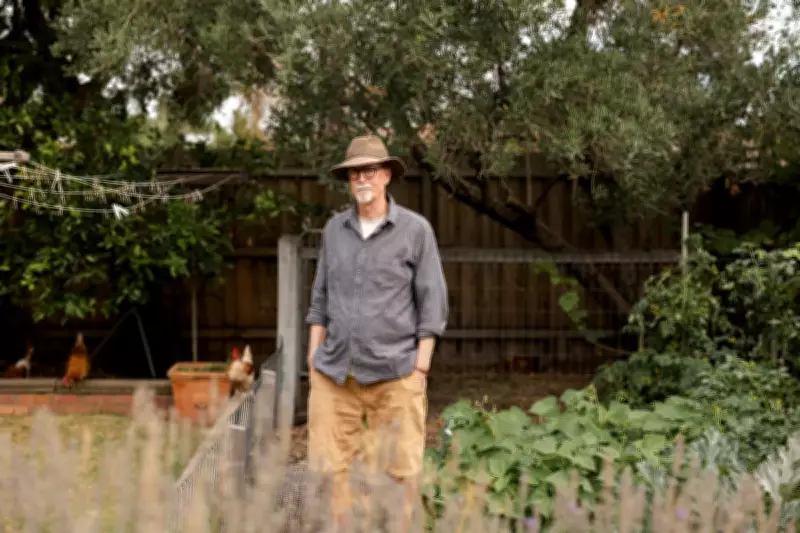
Gardeners have shared anecdotes of wattlebirds becoming regular visitors during harvest seasons, often seen perched on fruit trees or scavenging fallen crops. Ornithologists note that this behavior reflects the birds' adaptability, as they exploit urban food sources to supplement their diets. While some express concern over potential conflicts, such as crop damage, many view it as a sign of ecological health, encouraging practices like planting native species to support wildlife.

Implications for Urban Planning and Conservation
This trend underscores the importance of integrating green spaces and wildlife-friendly designs into urban planning. As cities expand, maintaining habitats for species like wattlebirds can enhance environmental resilience and community well-being. Experts recommend measures such as reducing pesticide use and preserving tree cover to foster these interactions, suggesting that backyard harvests could play a role in broader conservation efforts.
Future Outlook and Community Engagement
Looking ahead, the relationship between urban gardens and wattlebirds may deepen as gardening continues to gain popularity. Community initiatives, such as shared harvest programs and educational workshops, could further promote harmonious coexistence. By understanding and supporting these natural dynamics, urban residents can contribute to a more biodiverse and sustainable urban landscape, where wildlife thrives alongside human development.