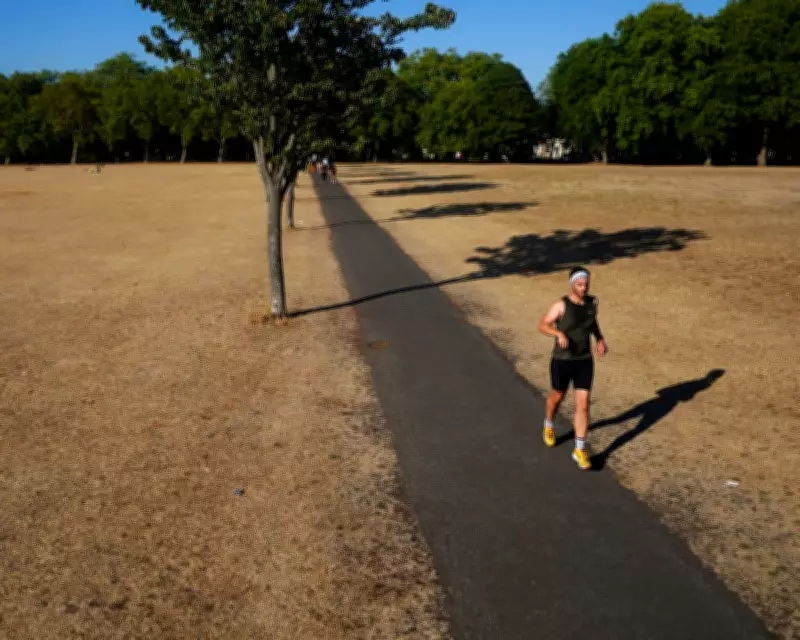
Global Warming's Hidden Health Crisis: Inactivity Could Cause 500,000 Extra Deaths Yearly
As global heating intensifies, rising temperatures are making physical activity increasingly undesirable and even hazardous across the globe. A groundbreaking study published in the Lancet Global Health journal projects that this trend could lead to a significant rise in health issues, contributing to approximately half a million additional premature deaths annually by 2050.
Study Methodology and Key Findings
Researchers meticulously analyzed data from 156 countries spanning the years 2000 to 2022. They developed models to predict how escalating temperatures might impact global physical activity levels by mid-century. The findings reveal a stark correlation: each additional month with an average temperature exceeding 27.8°C is projected to increase physical inactivity by an average of 1.5 percentage points worldwide. In low and middle-income countries, this increase is even more pronounced, reaching 1.85 percentage points.
Christian García-Witulski, the study's lead author and a research fellow at the Lancet Countdown Latin America, emphasized the severe health implications. "Physical inactivity elevates the risk of cardiovascular disease, type 2 diabetes, certain cancers, and mental health disorders, all of which significantly shorten life expectancy," he stated. Currently, reduced physical activity is a major global health concern, responsible for an estimated 5% of all adult deaths, with about one-third of the world's population failing to meet World Health Organization guidelines for weekly exercise.

Projected Impacts and Economic Consequences
The study forecasts that the surge in physical inactivity could result in not only the tragic loss of lives but also substantial economic burdens. By 2050, productivity losses are estimated to range from $2.4 billion to $3.68 billion. Regions expected to bear the brunt of this crisis include hotter areas such as Central America, the Caribbean, eastern sub-Saharan Africa, and equatorial south-east Asia, where inactivity could rise by more than four percentage points per month.
García-Witulski highlighted the inequality dimension of this issue. "This is not just a climate story; it is also an inequality story. The places anticipated to face the greatest increases in climate-driven inactivity often have fewer resources to adapt," he explained. In settings with limited access to cooling, safe indoor alternatives, and flexible daily schedules, heat is more likely to translate into reduced physical activity.
Gender Disparities and Limitations
The model also predicts a larger increase in inactivity among women, potentially due to physiological differences and social factors such as less time and access to cool exercise spaces. It is important to note that these findings are based on self-reported activity surveys and modeled projections, which do not account for other climate impacts like extreme rainfall, flooding, and tropical cyclones.
Call for Climate-Resilient Policies
The authors argue that physical activity must be reframed as a climate-sensitive public health issue rather than merely an individual lifestyle choice. "Staying active in a warming world depends not only on personal motivation but also on urban design, infrastructure, and access to reliable information," García-Witulski asserted. He advocated for practical, climate-resilient policies that help people remain active safely under hotter conditions.
Recommended strategies include:
- Designing cooler cities by expanding tree cover and shade networks in streets and parks.
- Providing affordable air-conditioned venues for exercise.
- Offering clear guidance on staying safe during extreme heat events.
- Pursuing ambitious emissions reductions to mitigate global heating.
This comprehensive approach underscores the urgent need to integrate health and climate action to prevent a looming public health disaster.