Maasai Communities Grapple with Escalating Drought and Climate Stress in Kenya
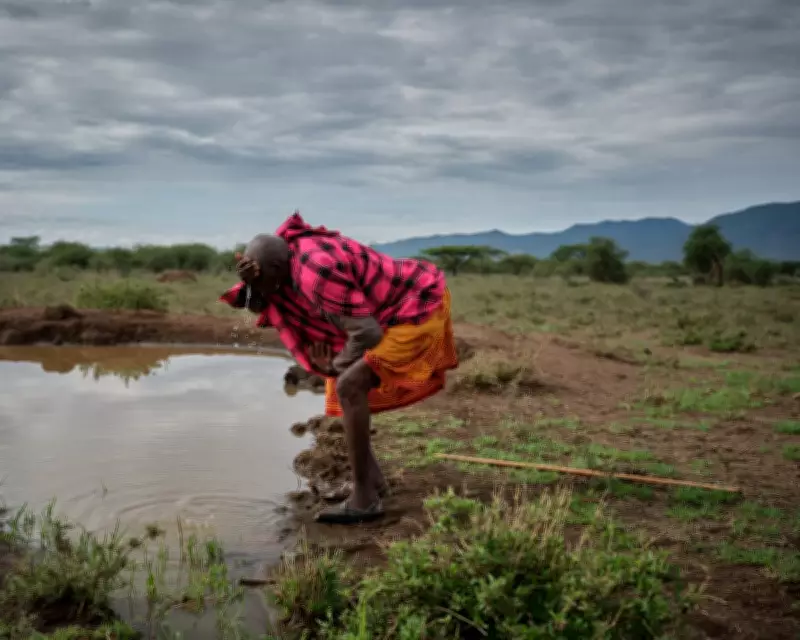
In the hamlet of Oldonyonyokie in Kajiado county, southern Kenya, the soil feels soft underfoot after a brief shower, but the relief is fleeting. Abraham Kampalei, a 70-year-old Maasai elder, has witnessed the slow decline of pastures over five decades. "After four months of drought, we received the first rains yesterday," he says. "All we can do now is pray that they continue." This sentiment echoes across a region where drought is no longer a distant threat but a harsh, expanding reality.
Drought's Worsening Grip on Southern Kenya
Historically, Kajiado was less prone to drought than Kenya's arid north, but now it reports alarming trends:
- Livestock deaths due to thirst and starvation
- Severe pasture depletion and water scarcity
- An "alert" phase designation by Kenya's National Drought Management Authority
Kenyan meteorologist Joyce Kimutai explains that the crisis stems from a combination of La Niña patterns and human-induced climate change. "Heat levels are increasingly exceeding human tolerance due to anthropogenic factors, including greenhouse gas emissions," she notes, warning of harsher conditions ahead.

Human Toll: Education, Poverty, and Child Marriage
The drought's impacts extend beyond environmental damage, triggering profound social consequences:
- Education Disruption: Children drop out of school as families divert funds to basic survival needs.
- Economic Pressure: Poverty intensifies, with households selling livestock and facing displacement.
- Child Marriage Risks: In Kajiado, economic strain raises the threat of early marriages for girls.
Sian Diana, an 18-year-old from Oldonyonyokie, fears her family might marry her off for dowry after losing 22 cows this year. "It's scary," she admits, highlighting how drought undermines aspirations like her plan to study chemistry. Despite child marriage being illegal, 12.5% of Kenyan girls marry before 18, with rates climbing in drought-affected areas.
Adaptation and Resilience in the Face of Scarcity
Communities are adapting to survive, but challenges mount. In Olorgesailie, 30km north, Kakure Ole Kundu, another Maasai elder, recalls calling his sons back after rains, but pasturelands remain dry. "Maasai never used to do casual work, but now we are forced to," he says, citing jobs like herding or security work in Nairobi.
Water scarcity forces residents like Diana to fetch water weekly from roadside drums refilled by police and corporate initiatives. Meanwhile, James Sankaire, a former drought monitor, observes invasive mesquite trees worsening soil degradation. "We went from major droughts every 10 years to droughts every two or three years," he laments, underscoring the accelerating crisis.
As Kenya faces over 2 million people in food insecurity due to consecutive failed rainy seasons, the Maasai's prayers for rain reflect a broader struggle against a climate emergency reshaping lives and landscapes.