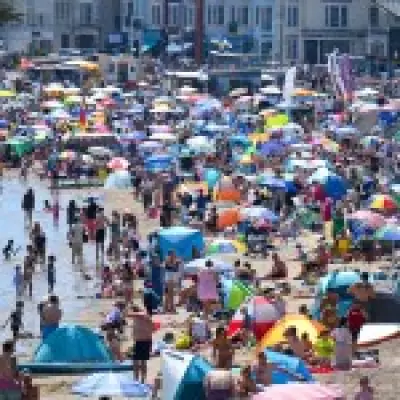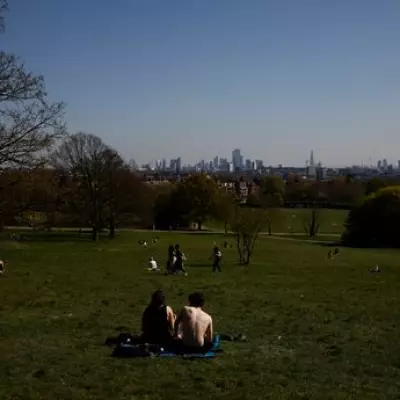
As Britons shiver through a frosty start to 2026, a common piece of weather folklore is being put to the test: does a bitterly cold winter inevitably lead to a scorching summer? The Met Office has now issued its verdict, pouring cold water on this long-held belief.
The Science Behind the Seasonal Myth
The idea that a harsh winter prefaces a hot summer is a comforting thought during a deep freeze. However, meteorological science tells a different story. The Met Office states categorically that winter and spring weather patterns operate independently of summer conditions. This means the icy winds and sleet experienced across parts of the UK, including London's first snow of 2026 earlier this week, provide no guarantee of a record-breaking heatwave months from now.
While a 2021 study by researcher Boksoon Myoung did find a correlation between colder winters and hotter summers, this was specific to the climate of South Korea and cannot be applied to the British Isles. The dominant force shaping the UK's climate trends remains global warming, which led to one of the hottest and sunniest years on record in 2025.

What's Next for the UK Weather?
Looking ahead, the forecast suggests a shift from the recent freeze. The Met Office predicts that milder air will arrive after Sunday, 11 January, introducing a band of rain across the country. However, this transition may not be smooth for all regions.
The north and east of England should be prepared for this precipitation to turn into further snowfall. The week beginning Monday, 12 January is likely to see milder but unsettled conditions take hold nationwide, with forecasts indicating extended periods of rain and wind.
Longer-Term Outlook and Climate Context
The broader picture for the coming months is influenced by competing factors. The National Oceanic and Atmospheric Administration (NOAA) anticipates warmer-than-average temperatures over the next three months. However, the cooling influence of the El Nina climate pattern is expected to bring overall neutral conditions, tempering any extreme warmth.
For the remainder of January, predictions become more complex. The East of England is set to stay bitterly cold until late in the month. Later, southwesterly movements may usher in highly variable weather for all. The Met Office suggests this could mean a mix of:
- Fog and wet weather
- Windy spells
- Milder dry periods
- Frosty nights with a risk of nationwide cold snaps
Ultimately, while the trend towards warmer, sunnier years continues due to global warming, attributing this summer's weather to this winter's chill is a meteorological misconception. The UK's weather remains a complex and independent system from season to season.