Moldova's Water Crisis: Russia's War Spills Environmental Disaster
In March 2026, an environmental catastrophe unfolded in Moldova as the Nistru River, a vital water source, became contaminated with oil following a Russian attack on Ukraine's Novodnistrovsk hydropower complex. This incident has plunged the nation into a severe drinking water crisis, highlighting the broader impacts of the ongoing war on neighboring countries.
The Discovery of Contamination
Ilie Cojocari, a nature vlogger from the village of Naslavcea in northern Moldova, first detected the disaster while filming the Nistru River in early March. He reported a strong stench of oil and dark spots on the water's surface, just days after intense shelling from Russia disrupted the area. Initially, there was no official confirmation from Moldovan or Ukrainian authorities, but Cojocari's footage prompted urgent inquiries from the Chișinău ministry of the environment.
By March 16, Moldova declared an environmental alert, with President Maia Sandu attributing full responsibility to Russia. A crisis center was established to monitor and mitigate the spill, deploying oil traps and barrages while providing alternative water supplies to affected residents. However, for many locals, this event symbolized more than just water contamination—it underscored the persistent threat of war on their doorstep.

Broader Impacts of the War
Moldova has faced significant challenges due to the Ukraine conflict, including over 2 million refugees passing through its borders, airspace violations by Russian drones, and power outages from attacks on Ukrainian energy infrastructure. Inflation peaked at 35% in 2022, and a state of energy emergency was declared in January 2026 after another Russian strike reduced Chișinău's electricity capacity.
The Nistru River, originating in the Carpathian Mountains and flowing into the Black Sea, supplies 80% of Moldova's drinking water. The spill of tonnes of petrol has created a national emergency, with oil slicks detected over 200 km downstream to Dubǎsari. European allies, including Romania and Poland, stepped in with emergency aid to prevent the contamination from reaching Chișinău, home to a third of Moldova's population.
Political and Social Fallout
The crisis has intensified political divisions within Moldova. Pro-European factions, led by officials like Environment Minister Gheorghe Hajder, have blamed Russia directly, using public communications to raise awareness. In contrast, pro-Russian propagandists have denied responsibility, claiming the spill resulted from a Ukrainian truck accident—a theory debunked by Cojocari's observations.
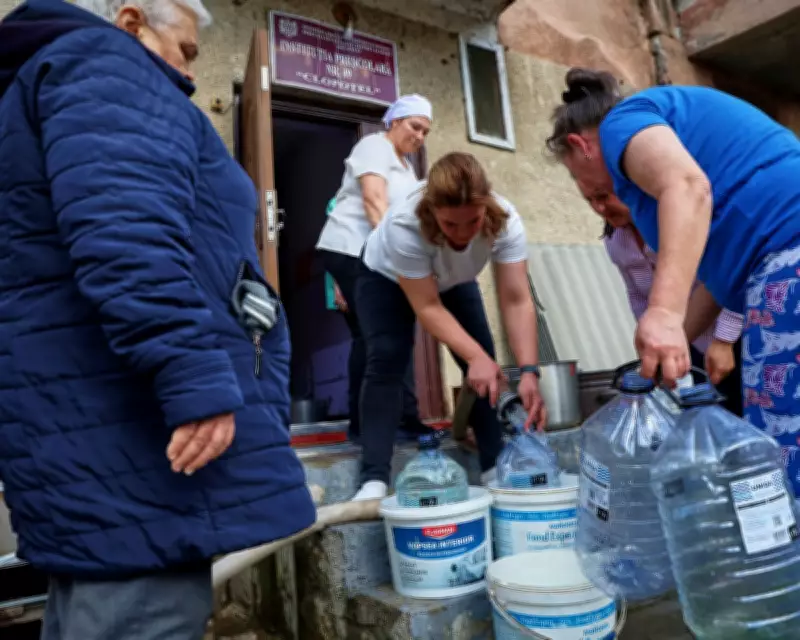
Areas like Bălți, Moldova's second-largest city, were severely affected, with army and police mobilizing to distribute water tanks. Residents, such as Irina, a mother of three, faced daily queues for water, disrupting work and school routines. The incident has also sparked fears about wildlife impacts, though authorities attribute bird deaths to avian flu rather than pollution.
Long-Term Environmental and Security Concerns
By mid-March, barrages stabilized oil levels in the river, allowing tap water use to resume after 48 hours. However, Moldova continues to grapple with the aftermath, seeking alternative water sources and combating misinformation. This event marks the country's most serious environmental crisis since the Chernobyl disaster in 1986, drawing parallels to slow governmental responses in past calamities.
Russia's war has caused multiple environmental disasters in Ukraine, including the destruction of the Kakhovka dam and oil spills into the Black Sea, harming biodiversity and human health. The Nistru spill exposes Moldova's vulnerability, emphasizing the need for enhanced environmental security as a national and international priority to prevent future ecological threats amid ongoing conflict and climate challenges.