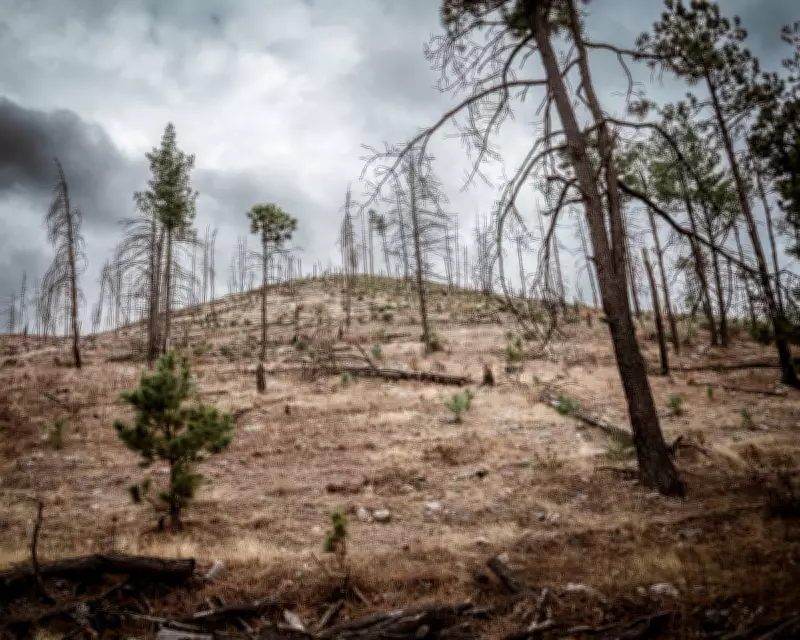
Organized crime groups are rapidly destroying the forests of Mexico's Sierra Tarahumara, a mountainous region known for its rich biodiversity and indigenous communities. Illegal logging, driven by cartels seeking to launder money and expand territorial control, has escalated in recent years, leaving vast areas deforested and ecosystems in peril.
Environmental Devastation
The Sierra Tarahumara, part of the Sierra Madre Occidental, is home to ancient pine and oak forests. These forests are being stripped at an alarming rate, with loggers often using heavy machinery to clear land for timber and to establish drug trafficking routes. The loss of tree cover has led to soil erosion, water scarcity, and a decline in wildlife populations. Species such as the thick-billed parrot and the Mexican wolf are among those threatened.
Impact on Indigenous Communities
The indigenous Rarámuri people, who have lived in the region for centuries, are bearing the brunt of the destruction. Their ancestral lands are being encroached upon, and they face intimidation and violence from cartel-backed loggers. Many communities have been forced to abandon their homes, while others struggle to protect their forests with limited resources. The illegal logging also undermines sustainable forestry practices that some communities rely on for their livelihoods.

Authorities have struggled to combat the problem due to corruption and the vastness of the terrain. The Mexican government has deployed troops and increased patrols, but the cartels often operate with impunity. Environmental activists and indigenous leaders have called for stronger action, including international support to monitor and protect the region.
Broader Implications
The logging crisis in the Sierra Tarahumara is part of a larger pattern of environmental crime in Mexico, where cartels are diversifying into illegal mining, fuel theft, and logging. These activities not only damage ecosystems but also fuel violence and undermine the rule of law. The deforestation also contributes to climate change by releasing stored carbon into the atmosphere.
Efforts to address the issue include reforestation projects and community-led conservation initiatives. However, without tackling the underlying drivers of organized crime and corruption, the forests of the Sierra Tarahumara face an uncertain future.