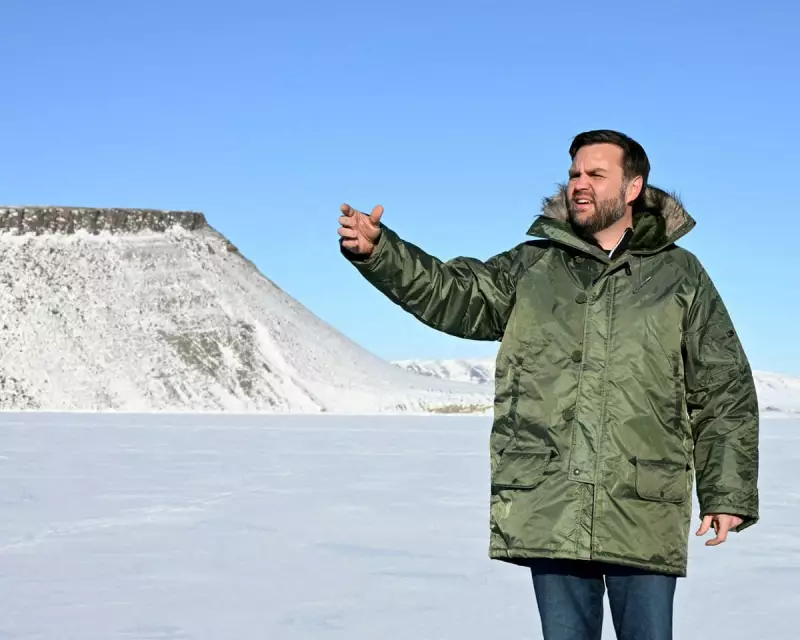
A seemingly outlandish proposal from the White House to acquire Greenland has sent shockwaves through diplomatic circles, but experts warn it is a stark symptom of a far deeper geopolitical shift. The catalyst is not traditional territorial ambition, but the accelerating melt of the Arctic ice cap, which is redrawing the world's strategic map and triggering a new era of resource competition.
The Melting Frontier: A New Strategic Theatre
For decades, the frozen Arctic was a largely impassable barrier. Now, climate change is transforming it into a navigable ocean and a potential battleground. Forecasts indicate that by the early 2040s, the waters around the North Pole could be virtually ice-free in summer. This dramatic transformation unlocks a prospective shortcut from Asia to North America, creating new lanes for global trade, shipping, and fishing. More ominously, it also opens new avenues for military manoeuvring and potential conflict.
This thawing has ignited what Britain's First Sea Lord, General Sir Gwyn Jenkins, describes as a "ferocious contest" over resources, territory, and critical access to the Atlantic. The situation has turned the high north into what observers call an "autocrat's chessboard," where territories like Greenland, Canada, and Norway's Svalbard archipelago risk becoming pawns in a larger game between major powers.

Beyond Bases: The Lure of Untapped Riches
The United States has maintained a military presence at Pituffik base in Greenland since the Second World War, with Denmark's continued support. This raises a pivotal question: why the sudden push for ownership or exclusive control? The answer lies beneath the melting ice. Greenland is believed to hold vast, untapped reserves of oil, gas, and, crucially, rare earth minerals. These elements are essential for manufacturing everything from electric vehicle batteries to data centre processors, placing them at the heart of the technological race between the US and China.
Former President Donald Trump's recent complaints about Greenland being "full of Chinese and Russian ships" signal a mindset framed by competitive acquisition. Analysts suggest this reflects a view of the Arctic not just as a defensive frontier, but as a valuable development opportunity—a concept any former real estate mogul would grasp. This aligns with reported past approaches, such as seeking mining rights in Ukraine in exchange for security guarantees.
A Wake-Up Call for a Warming World
The Greenland episode serves as a blunt wake-up call for nations that imagined the starkest geopolitical impacts of climate change would occur far from their shores. The unfreezing north is dismantling old alliances and forging dangerous new rivalries over land, water, and natural resources. While collaborative global action remains the ideal path to manage these shared risks, the current trajectory—marked by the US withdrawal from international climate initiatives—suggests a more fractious and competitive future.
The fate of Greenland itself remains uncertain. Strategies could range from a proposed purchase or lease, to exploiting internal tensions regarding independence from Denmark. Regardless of the outcome, the underlying dynamic is clear. The climate crisis is no longer a distant environmental concern but an immediate driver of global power politics. The scramble for the Arctic, exemplified by the focus on Greenland, is a potent reminder that the geopolitical consequences of a warming planet are only just beginning to unfold, underscoring the urgent need to mitigate further temperature rise while preparing for the changes already in motion.