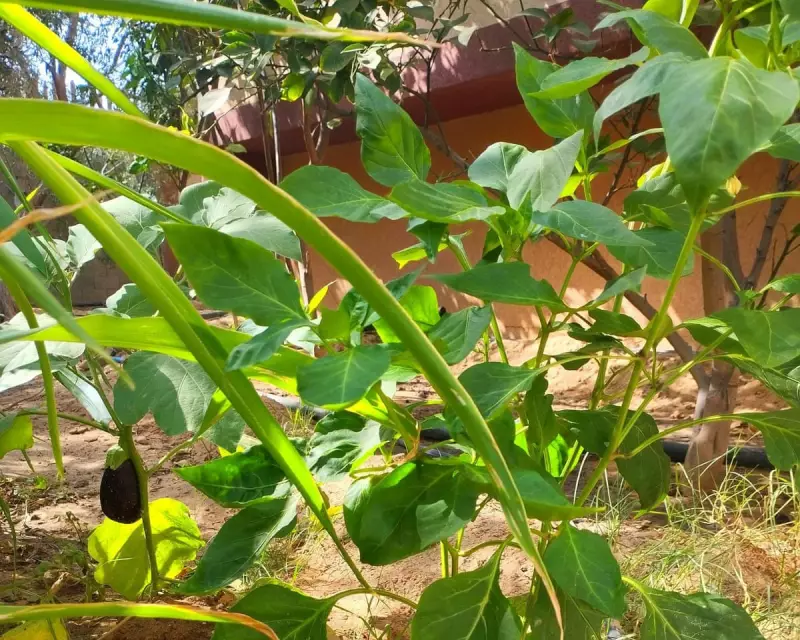
In the shadow of conflict, a simple, profound act of life has emerged from Gaza. As Israeli bombs fell, one family chose to plant a garden, transforming a patch of earth into a symbol of resilience and hope.
A Seed of Rebellion in Barren Soil
The story, shared by Taqwa Ahmed al-Wawi in The Guardian on 8 January, details how her family committed an act of quiet rebellion. While the world around them was defined by destruction, they turned to the soil, planting seeds in their garden. This was not merely horticulture; it was a defiant statement of life, continuity, and a rejection of a landscape viewed only as a battleground.
Ruth Baker from Matfield, Kent, responding in the newspaper's letters section, called it a "brilliant message of hope for the new year." She praised the article as inspirational for those who believe in "the real world of human life" over synthetic values.

Letters Reflect a Spectrum of British Life
The garden's story was highlighted within The Guardian's regular 'Brief letters' column, which also featured a range of other reader observations. These included a nostalgic recall of a defaced British Rail advert, debates about the curtness of Aberdeen shop assistants compared to Russian waiters, and reactions to local issues like water shortages in Tunbridge Wells.
Other correspondents mused on crossword clues referencing billion-dollar 'unicorn' startups and the competitive nature of travel lists, with one reader from Walsall smugly noting he had visited 14 of the '50 places to go in 2026'.
Cultivating Hope Against the Odds
The narrative from Gaza, however, stands apart in its raw humanity. The act of planting a garden amidst bombardment transcends the immediate context of the Israel-Gaza war. It becomes a universal metaphor for perseverance. The family's decision to nurture life directly counters the forces of devastation, offering a powerful, non-violent form of resistance.
This story strips away the grand political narratives to focus on a fundamental human impulse: to create and sustain life, even in the most hostile of environments. It is a poignant reminder that in the heart of a humanitarian crisis, hope can be as deliberate an action as planting a seed in the earth.