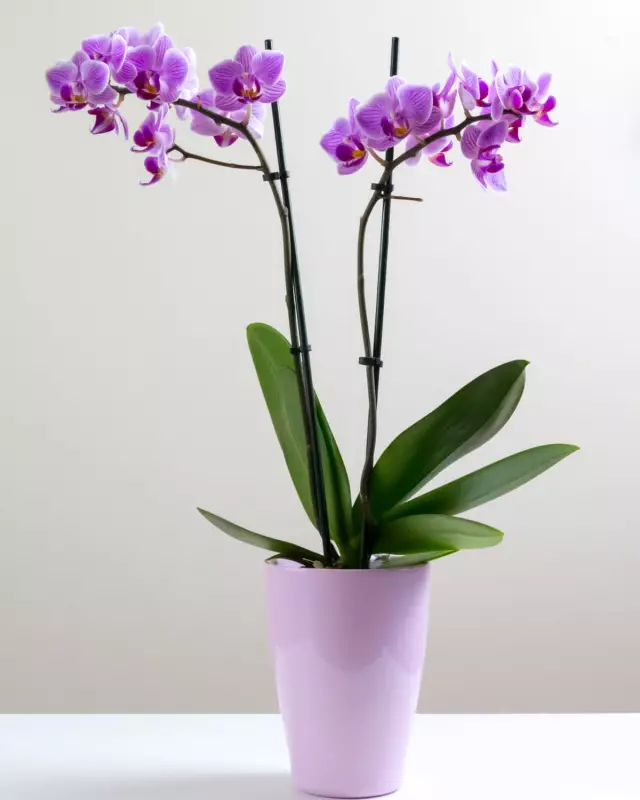
An unconventional gardening tip has taken root online: watering houseplants with ice cubes. The method promises a slower, more controlled way to hydrate your indoor greenery, but does this chilly hack risk shocking your precious plants?
The Promise of a Controlled Watering Method
The core idea is simple. Instead of pouring water from a jug, you place one or two ice cubes directly onto the soil in the pot. As the ice melts, it slowly releases moisture. This gradual process is meant to give the plant's roots ample time to absorb the water, significantly reducing the risk of waterlogging and soggy soil – a common killer of over-loved houseplants.
Where the Ice Cube Method Works (And Where It Fails)
Testing revealed a clear divide in plant reactions. The hack showed promise for certain moisture-sensitive species. In a trial, using two ice cubes per week on a Phalaenopsis, or moth orchid, kept its roots evenly damp without causing sogginess.

However, the story was very different for most tropical houseplants. When the same method was applied to a Calathea, a popular tropical foliage plant, it responded with browning at the leaf edges. Horticulturists identify this as a classic sign of cold stress, indicating the plant's roots were shocked by the icy temperature.
Key Factors and Crucial Warnings
The success or failure of this technique hinges on several critical factors. Firstly, most tropical houseplants naturally dislike cold. Their root systems evolved in warm environments, and icy water can cause damage. Secondly, your room temperature plays a massive role. In a warm room, ice cubes melt almost instantly, negating any 'slow-release' benefit. In a cooler space, they may linger too long, chilling the roots and hindering water absorption.
If you choose to experiment, experts advise using ice cubes made from fresh, clean water and never pressing them directly against the plant's stems or exposed roots. The method is best suited to small pots and specific plants like some orchids.
The Final Verdict for UK Gardeners
So, should you adopt the ice cube trick? The evidence suggests it's a niche solution. While it can function for orchids under the right conditions, it is not suitable for the majority of tropical houseplants that thrive in British homes. For most indoor gardeners, the tried-and-tested method remains the most reliable: using tepid water poured slowly onto the soil, allowing it to soak in evenly without temperature shock. Sometimes, the simplest way is still the best.