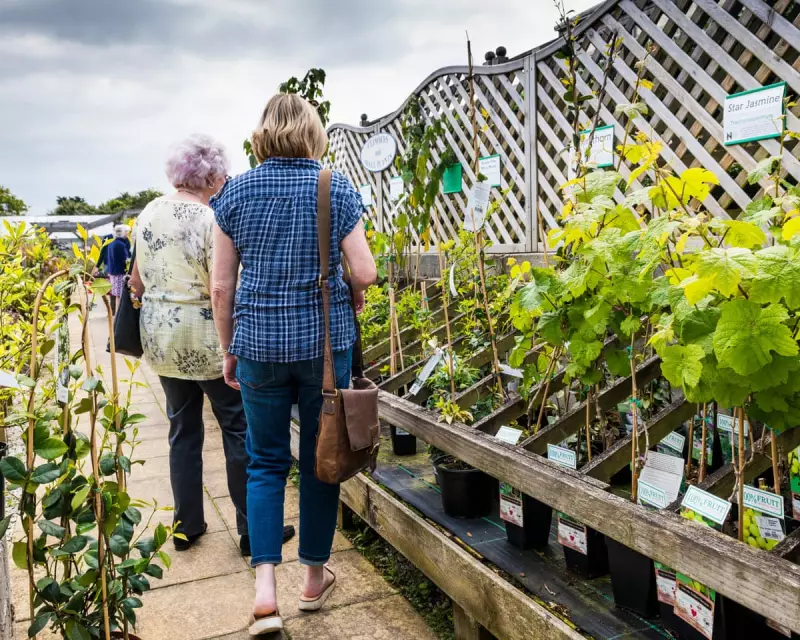
A stark warning has been issued over the shrinking diversity of Britain's gardens, with a major charity revealing that more than half of all cultivated plants once grown in the UK are no longer reliably available to buy.
The Vanishing Blooms of Britain
Plant Heritage, a conservation charity, has conducted a comprehensive assessment of over 133,000 cultivated plants. Their findings are alarming: more than 50% have disappeared from reliable sale in UK nurseries and garden centres. The situation is so dire that one in six of these plants is now recorded as growing in only one or two locations across the entire country.
The homogenisation of garden planting, driven by fleeting fashions and the convenience of buying generic varieties from large retailers, is blamed for this dramatic loss. A spokesperson for the charity stated, "Nurseries only stock a limited range and what's in fashion changes, so keeping plants safe relies on people valuing what they have in their garden or public parks. We don't treat plants as precious heritage in the same way we do objects."

A Call to Arms for Gardeners
In response to this crisis, Plant Heritage is making a direct appeal to the British public. Gardeners are being urged to seek out and grow unusual plants to create a vital living safety net. The charity is also encouraging people to consider starting their own "national collections" of rare blooms to prevent cultivated species from dying out completely.
To amplify this message, the organisation will be exhibiting its first-ever show garden at the prestigious Chelsea Flower Show in May. The garden will act as a showcase for both secured and at-risk plants, aiming to inspire a new generation of plant guardians.
Gwen Hines, Chief Executive of Plant Heritage, emphasised the urgency: "We hope to inspire more people to join our growing community in safeguarding our nation's favourite plants. Whilst plants in your garden may appear safer than those in the wild, they can still be at risk, so it's crucial that we protect our garden plants."
Why Plant Diversity Matters
The loss of cultivated varieties has consequences far beyond the garden fence. A diverse range of plants is critical for supporting wildlife, with many garden flowers providing essential nectar for pollinators, along with shelter, berries, and seeds for other creatures.
Plant Heritage already runs a network of "national collections," which are internationally recognised as a form of "ex situ" conservation. Remarkably, some plants in these collections, like the Brugmansia (Angel's Trumpets) held at Kew Gardens in London, are already extinct in their native habitats.
The charity's Chelsea garden will feature examples from existing collections for plants like Geum and Thalictrum, while also championing plants without a dedicated collector, such as Aquilegia and Verbascum, in the hope of finding them future custodians.
Five Expert Tips for Propagating Your Plants
With many people no longer knowing how to propagate plants, leading to reliance on garden centres, Plant Heritage shares these key steps for successful propagation:
- Start Healthy: Always take cuttings from vigorous, pest-free parent plants. Look for firm, green, non-flowering stems.
- Prioritise Hygiene: Use clean, sharp tools to make a neat cut just above a leaf joint to protect both the parent and the cutting.
- Trim Correctly: Cut just below the lowest leaf joint (the node), removing lower leaves. For some plants, let the cut dry to callous over.
- Pot with Care: Use a well-draining mix (e.g., half peat-free compost, half grit). Water from below by sitting the pot in a tray.
- Share the Story: Label your cuttings with the plant's name and origin, and pass them on to others, sharing its history if you know it.
The charity stresses that the simplest method for most plants is taking cuttings. By mastering this skill, gardeners can become active participants in preserving the UK's rich horticultural heritage, one plant at a time.