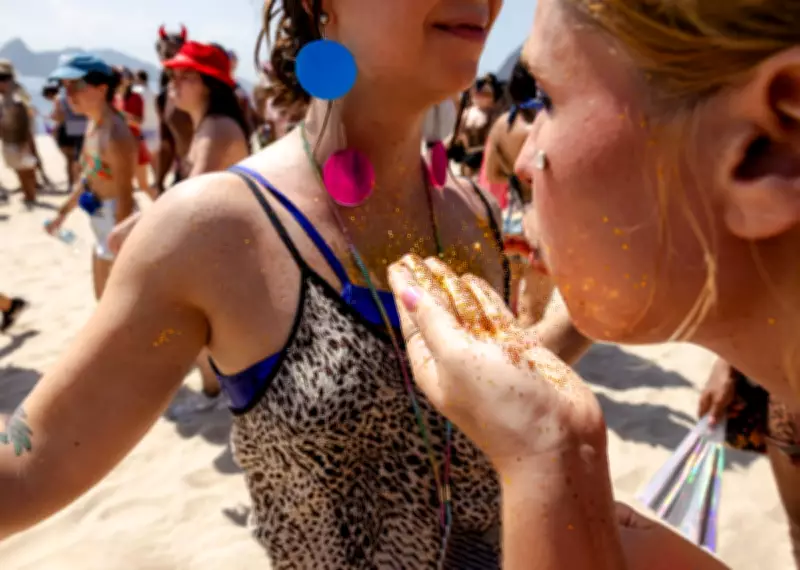
Brazil Enforces Glitter Ban at Rio Carnival to Tackle Microplastic Pollution
In a landmark environmental decision, Brazil has officially banned the use of glitter during the world-famous Rio Carnival. This measure aims to drastically reduce microplastic pollution on the country's iconic beaches, addressing growing health and ecological concerns. The ban, which took effect immediately, targets the tiny plastic particles in traditional glitter that contaminate coastal waters and marine ecosystems.
Health and Environmental Risks of Glitter
Glitter, often made from plastic materials like polyethylene terephthalate (PET), poses a severe threat as it breaks down into microplastics. These particles are ingested by marine life, entering the food chain and potentially harming human health through seafood consumption. Studies have linked microplastics to various health issues, including inflammation and toxicity. During Carnival, massive amounts of glitter are used in costumes and body art, leading to significant accumulation on beaches such as Copacabana and Ipanema, where post-festival cleanups have struggled to remove the persistent pollution.
Impact on Rio Carnival and Public Response
The glitter ban is expected to transform Carnival traditions, with organizers promoting eco-friendly alternatives like biodegradable glitter made from plant-based materials. While some revelers have expressed disappointment, citing glitter as a staple of the festive atmosphere, environmental groups and health advocates have praised the move. They argue it aligns with global efforts to combat plastic pollution, such as bans on single-use plastics in other countries. The Brazilian government has launched awareness campaigns to educate the public on the ban's benefits, emphasizing the protection of marine biodiversity and public health.

Broader Implications for Environmental Policy
This ban positions Brazil as a leader in environmental policy within Latin America, potentially inspiring similar actions in other nations. It highlights the intersection of cultural events and sustainability, showing how large-scale festivities can adapt to reduce ecological footprints. Experts note that while the ban may face enforcement challenges, its success could lead to expanded measures against microplastics in consumer products. The move also underscores the urgent need for global cooperation in addressing plastic pollution, with Rio Carnival serving as a high-profile test case for balancing tradition with environmental responsibility.
In summary, Brazil's glitter ban at Rio Carnival represents a proactive step toward mitigating microplastic pollution, with far-reaching implications for public health, marine conservation, and sustainable event management worldwide.