Hyperloop Technology Promises to Revolutionize London-Paris Travel
Could Londoners soon reach Paris faster than they can cross their own city? Groundbreaking research into hyperloop technology suggests that a journey from London to Paris might be completed in a mere 20 minutes, making land travel as swift as air travel. This futuristic concept, once considered science fiction, is now being actively explored by engineers at the European Hyperloop Center in Veendam, Netherlands.
How Hyperloop Works: Speed and Innovation
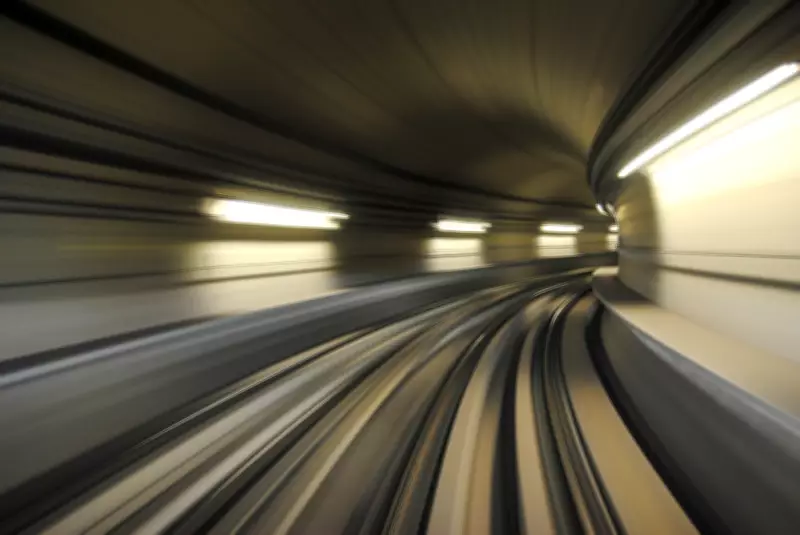
Hyperloop systems operate by propelling passenger pods through vacuum tubes at astonishing speeds of up to 600 miles per hour. Unlike traditional trains, these pods are not attached to rails; instead, they are suspended midair using magnetic levitation technology attached to the roof of the vehicles. While the idea might sound intimidating, proponents argue that this mode of transport could fundamentally alter our perception of time and distance, impacting everything from holiday planning to real estate markets.
From Concept to Reality: The Journey of Hyperloop
Hyperloop travel gained significant attention in 2013 after Elon Musk published a white paper on the subject. The world's first passenger test occurred in Nevada in 2023, but the project was halted due to escalating costs. Despite this setback, research in the Netherlands continues to progress, thanks in part to funding from the European Union. However, challenges remain, including securing additional financial support and optimizing pod capacity for more passengers.

Expert Insights and Future Prospects
Kees Mark, managing director of the European Hyperloop Center, expressed optimism about the technology's potential. He told the Telegraph, "To think that we could be having coffee in Paris in under an hour from now is a huge mindset shift." While it is too early to predict when an ultra-fast service between London and the continent might launch, engineers remain hopeful that hyperloop could one day become a reality, transforming intercity travel across Europe.
This development comes alongside other transport innovations, such as Eurostar's efforts to reduce boarding times at St Pancras International by 30 minutes and a controversial £1.2 billion renovation of London's busiest train station, which has recently received official approval.