

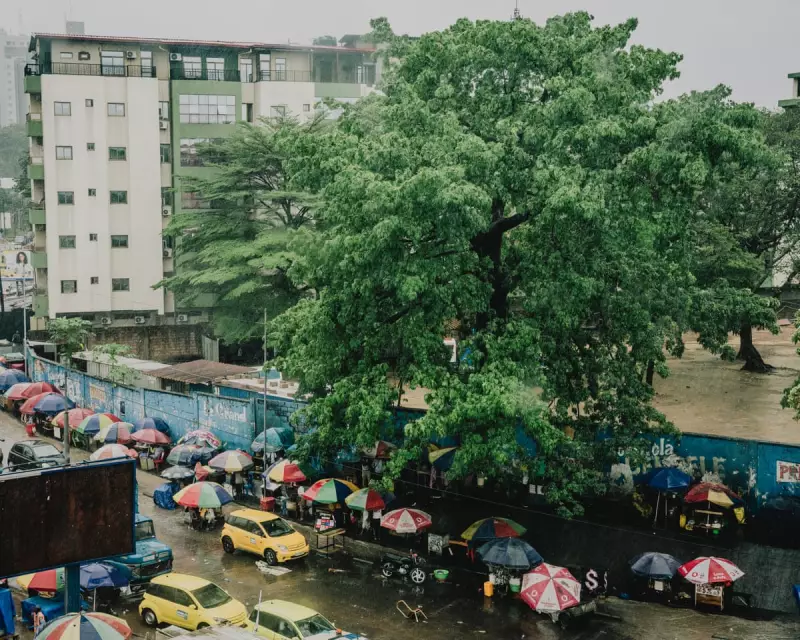
In the heart of Kinshasa, a sprawling megacity in the Democratic Republic of Congo, a solitary giant stands as the last of its kind. The final baobab tree in the central Gombe district is under direct threat, earmarked for removal to make way for new urban development. This has sparked a passionate campaign by local activists determined to save what they see as a vital symbol of the city's past and ecological heritage.
A Living Monument Under Threat
For anyone who has witnessed a baobab, the image is unforgettable. These statuesque trees are iconic features of African landscapes, deeply woven into the continent's culture, traditions, and folklore for millennia. Freelance reporter Emmet Livingstone recently highlighted the tree's precarious situation, noting the profound irony that the nation hosting the world's largest tropical rainforest is poised to lose a unique urban natural treasure.
The planned felling represents a critical moment in the tension between rampant urban expansion and environmental preservation. In Kinshasa, as across central Africa, rapid planned and unplanned city growth is causing significant cultural and environmental degradation. The potential loss of this baobab is a stark emblem of that conflict.

More Than Just a Tree: A Pillar of Survival
Baobabs are not merely scenic landmarks; they are engineered for survival. Their very DNA encodes a remarkable climate resilience. Functioning as natural water tanks, over 75% of their massive bulk is stored water. For centuries, communities have utilised hollows in their trunks as reliable, drought-proof reservoirs.
When other food sources fail, the tree's pulpy fruits and protein-rich leaves provide sustenance, while its bark yields a strong fibre. These mighty trees have historically served as traditional community meeting points and, crucially, as a lifeline through harsh seasons. Their destruction signals a casual disrespect for a species that has endured on the planet far longer than humans.
A Rallying Cry for Conservation
The battle for Kinshasa's last city centre baobab transcends a simple planning dispute. The tree stands as a potent symbol of resilience against the intertwined crises of climate change, food security, and water scarcity. Activists and concerned citizens are now mobilising, hoping that good sense will prevail and the tree will be spared.
Its fate is seen as a test of values—a choice between shortsighted development and the preservation of an irreplaceable natural and cultural legacy. The campaign to save it is a microcosm of a global struggle to protect ancient ecosystems in the face of relentless urbanisation.






