A Century-Old Glimpse into Nature's Fiery Display
In a remarkable entry from 1926, a country diary captures the breathtaking spectacle of gorse in full bloom, a natural event so intense it seemed to blaze day and night across the landscape. This vivid account, penned nearly a hundred years ago, offers a timeless window into the enduring beauty of the British countryside, where the gorse's golden flowers transformed hillsides into a sea of fire-like hues.
The Unceasing Bloom of Gorse
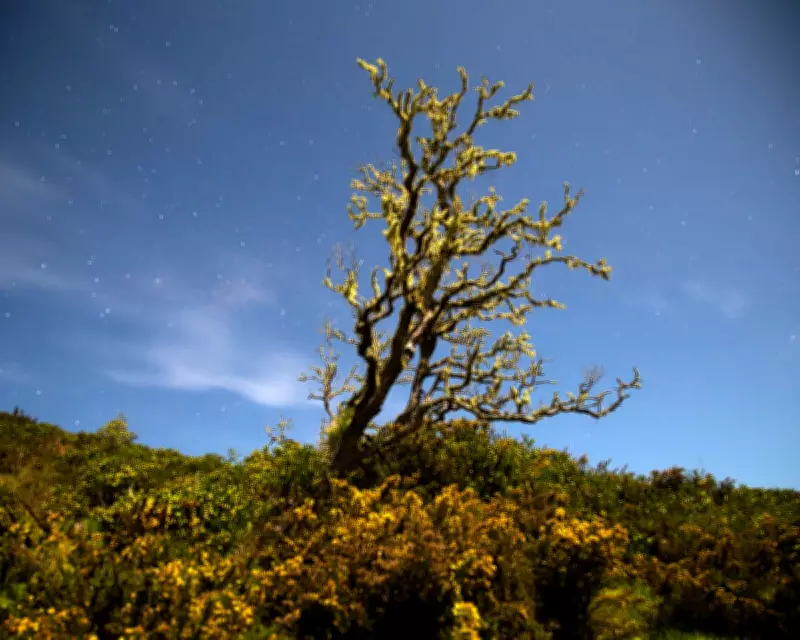
The diary describes how the gorse, a hardy shrub known for its resilience, was in such prolific flower that it appeared to be alight with a continuous glow. Unlike many plants that bloom seasonally, the gorse in this account defied typical cycles, with its bright yellow blossoms persisting through both day and night. This phenomenon created a stunning visual effect, as the flowers reflected sunlight by day and seemed to hold a luminous quality in the moonlight, making the countryside shimmer with a golden radiance.
Observers noted that the air was thick with the distinctive coconut-like fragrance of the gorse, adding a sensory layer to the visual feast. This scent, often associated with warm, sunny days, permeated the environment, enhancing the immersive experience of the natural world. The diary entry emphasizes how this blooming event was not just a sight to behold but a full-bodied encounter with nature's splendor.

Historical and Ecological Significance
This 1926 record provides valuable insights into historical ecological patterns, suggesting that such intense blooming events were notable even a century ago. Gorse, scientifically known as Ulex europaeus, is a plant adapted to poor soils and harsh conditions, often thriving in heathlands and coastal areas. Its ability to flower almost year-round, with peaks in spring and summer, is well-documented, but this diary highlights an exceptional instance where its display was particularly relentless and widespread.
The account also reflects the cultural importance of nature observation in early 20th-century Britain, where diary-keeping was a common practice among naturalists and enthusiasts. It serves as a reminder of how human connection to the environment has long been documented through personal narratives, preserving moments of natural wonder for future generations. Today, such records can inform conservation efforts by offering baseline data on plant behaviors and climatic influences over time.
Modern Reflections on a Timeless Phenomenon
Reading this century-old description, one is struck by the continuity of nature's cycles, yet also prompted to consider changes in the landscape since 1926. While gorse continues to bloom in many regions, factors like urbanization, climate change, and land use shifts may alter its prevalence and intensity. The diary's vivid imagery invites modern readers to appreciate the enduring beauty of native flora and the importance of protecting natural habitats.
In an era where digital distractions often overshadow outdoor experiences, this historical account encourages a return to simple observations of the natural world. The gorse's fiery display, as captured in 1926, stands as a testament to the power of nature to inspire awe across generations, reminding us of the rich tapestry of life that flourishes just beyond our doorsteps.