A Childhood Encounter That Defied Explanation
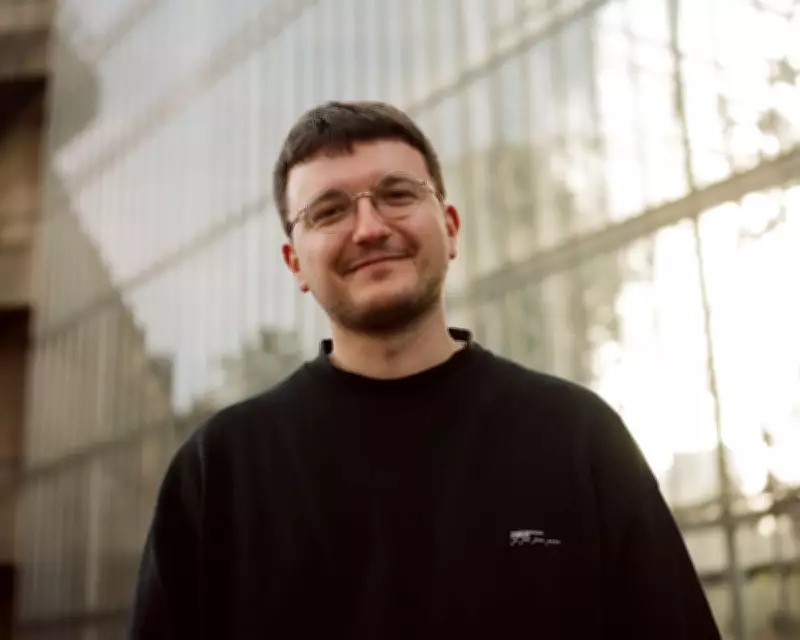
At just 11 years old, Max Lury experienced something on Dartmoor that would shape his worldview forever. During a school trip, he and his friends witnessed a large, dark creature moving through the morning mist—an animal far larger than any domestic cat, with a distinctive, swaggering gait that suggested a powerful predator. The sighting lasted only moments before the beast vanished, but the memory would linger for decades.
The Adults' Skepticism and a Child's Certainty
When the excited children reported their encounter to teachers, they were met with disbelief and frustration. The adults dismissed their account as a prank or childish imagination, insisting such animals couldn't exist on the English moors. "As a child, you take an adult's words as gospel," Lury recalls, "but I knew what I had seen." This clash between personal experience and authoritative denial created a powerful internal conflict that would fuel years of investigation.
The Search for Answers Begins
Determined to prove his experience wasn't imaginary, young Lury began spending lunch hours in the school library researching big cat sightings. He discovered hundreds of similar reports from Dartmoor and other British wilderness areas. The most plausible explanation suggested that exotic cats might have been released into the wild after the 1976 Dangerous Wild Animals Act made keeping them as pets illegal.

Despite the volume of eyewitness accounts, scientists remained skeptical, pointing to the lack of concrete evidence and the improbability of a sustainable breeding population. This scientific skepticism only deepened Lury's curiosity about creatures existing at the boundaries of accepted knowledge.
From Big Cats to Cryptids: A Lifelong Fascination
The Dartmoor experience opened a doorway to the world of cryptids—creatures whose existence remains unverified by mainstream science. Lury immersed himself in stories of Tasmanian tigers, Mokele-mbembe in the Congo, and Bigfoot sightings across North America. Each account, no matter how improbable, received his serious consideration.
Balancing Skepticism and Openness
Lury acknowledges that many cryptid sightings have rational explanations. Memory can distort size and distance, common animals can appear extraordinary in certain conditions, and human psychology often seeks patterns where none exist. Large owls might explain Mothman sightings, while unusually big domestic cats could account for some "big cat" reports.
Yet this understanding hasn't closed his mind to possibilities. "When someone tells me about a ghost they've seen or a room with strange energy," he says, "I leave space for it. I let myself believe, if only for a moment." This balance between healthy skepticism and imaginative openness defines his approach to the unexplained.
The Lasting Impact of a Morning Mist Encounter
That morning on Dartmoor did more than introduce Lury to cryptozoology—it taught him about the tension between personal experience and external validation. The experience demonstrated how easily eyewitness accounts can be dismissed, especially when they come from children challenging adult authority.
Today, Lury's fascination with boundary-pushing experiences has culminated in his book No Ghosts, exploring themes of belief, memory, and the spaces where reality becomes ambiguous. The Dartmoor big cat remains unverified by science, but for Lury, its reality resides in the profound impact it had on his life's trajectory.
The story serves as a reminder that some experiences resist easy categorization, existing in that liminal space between what we can prove and what we feel to be true. Whether the creature was an escaped exotic pet, a misidentified animal, or something truly extraordinary matters less than the journey of curiosity it inspired.