Bristol Zoo's Gorillas Embrace New Forest Sanctuary After Complex Relocation
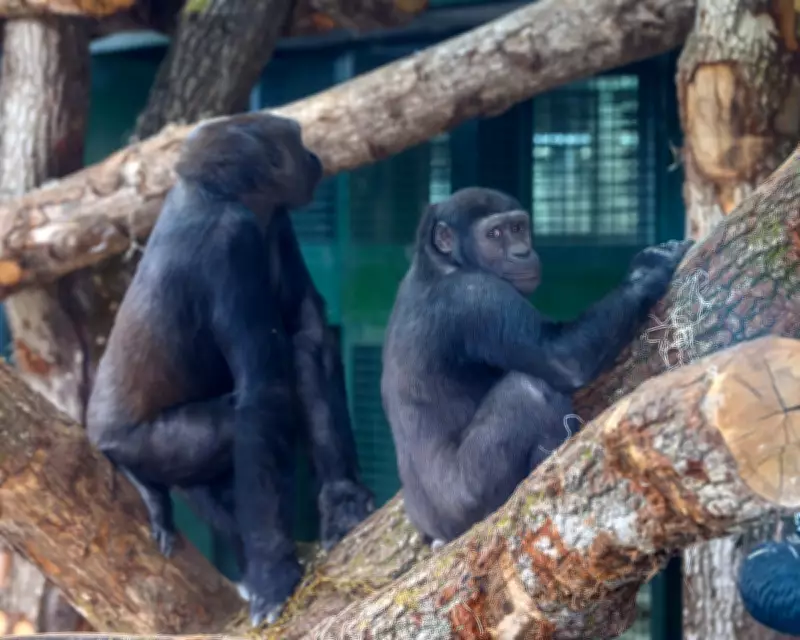
In a significant development for wildlife conservation in the United Kingdom, seven western lowland gorillas from Bristol Zoo have successfully transitioned to their new woodland habitat at the Bristol Zoo Project, located approximately five miles from their former urban home. The troop, which gained international attention last year when an urban explorer photographed them in their nearly deserted city enclosure, is now exploring a dramatically expanded and more complex environment designed to mimic an African forest.
A New Life Among the Trees
On a recent sunny spring day, the gorillas were observed actively engaging with their new surroundings. They climbed a towering horse chestnut tree equivalent to a three-story building, sampled fresh hawthorn shoots, and foraged for treats on the forest floor. Sarah Gedman, the project's curator of mammals who has worked with this troop for a decade, expressed visible joy as she watched the primates explore.
"It's a larger area, four and a half times their old home," Gedman explained. "But the most striking aspect is just how much more complex it is. We've offered them a life among the trees here. They literally disappear into the trees."

The five-year-old male Hasani demonstrated remarkable confidence by being the first to venture into the new space. However, Gedman noted that the adult females, particularly Touni, displayed superior climbing skills due to their greater experience. The enclosure represents a substantial upgrade from the previous "gorilla island" at the Clifton site, which closed to the public in September 2022.
A Bittersweet Transition
The relocation process in February involved more than forty specialists including keepers, veterinarians, and relocation experts, with additional security provided by an armed police escort. Tragically, just ten days after the move, the troop's 42-year-old silverback leader Jock—the oldest male gorilla in the UK—became lethargic and lost his appetite, leading to the difficult decision to euthanize him. A postmortem examination revealed he had suffered an aortic dissection, a tear in the artery.
"It was a sad time for the keepers and for the gorillas alike," Gedman reflected. She emphasized Jock's crucial role in helping the troop adapt during his final days. "He did amazingly well, he explored the whole space, he offered that reassurance to the troop as they settled in, and it was almost as if once he'd done that, he'd made his peace."
Following Jock's passing, the remaining gorillas were kept indoors temporarily as they acclimated to their new environment. They have recently been granted access to the outdoor enclosure during daylight hours, with media invited to observe on Monday and the public scheduled to view them starting Wednesday.
Conservation Context and Controversy
The new habitat will eventually be shared with endangered cherry-crowned mangabeys, while nearby enclosures house African grey parrots rescued from illegal pet traders in Eastern Europe. Bristol's historical connection with gorillas dates back to 1930 when a gorilla named Alfred arrived at the Clifton site and famously participated in snowball fights with visitors.
However, the relocation has not been without controversy. While zoo officials maintain that the animals now enjoy superior living conditions, some critics argue the move was primarily motivated by financial considerations related to selling the valuable city-center property for housing development in one of Britain's most desirable neighborhoods. Demonstrations have occurred against property developer Acorn's plans to build homes on the former zoo site, with the Save Bristol Gardens Alliance contending the development would destroy a site of significant cultural, historical, and environmental importance.

Ethical Debates in Captive Wildlife Management
The broader ethical question of keeping great apes in captivity remains contentious. In a report titled "Captive Cousins" published last year, the charity Born Free argued that maintaining great apes in zoos is ethically indefensible and should be phased out. Chris Lewis, Born Free's captivity research and policy manager, acknowledged that the Bristol gorillas' new enclosure represents an improvement but emphasized that "it does not eliminate the fundamental issues great apes face when kept in captivity. The needs of such intelligent, sentient beings simply cannot be met in a zoo environment."
Justin Morris, chief executive of Bristol Zoo Project, countered these arguments by highlighting the conservation value of captive breeding programs for critically endangered species. "Until we've solved the problems that these animals face in the wild, then the reality is that we've got to have these insurance populations," Morris stated. "I really do genuinely believe that zoos have got an important part to play."
The gorillas' journey from their urban enclosure to their new forest home represents both a physical relocation and a symbolic transition in how modern zoological institutions balance animal welfare, conservation imperatives, and public education. As the seven remaining gorillas continue to explore their expanded habitat, they serve as ambassadors for their critically endangered wild counterparts while sparking important conversations about humanity's relationship with other intelligent species.