Cairngorms National Park Enforces Seasonal Campfire and Barbeque Ban to Mitigate Wildfire Dangers
A significant new regulation prohibiting the use of campfires and barbeques within Cairngorms National Park is set to commence this week, marking a proactive step to address escalating wildfire risks across the region. This seasonal ban, which will be rigorously enforced from April 1 through September 30, aims to safeguard the park's delicate ecosystems and communities from potential devastation.
Strict Penalties and Enforcement Measures
Individuals caught violating the ban could face substantial fines of up to £500, underscoring the seriousness of the initiative. The Cairngorms National Park Authority (CNPA) has emphasized that this measure is crucial, as even a single rogue spark can ignite a catastrophic wildfire. To ensure compliance, the CNPA will deploy over 100 countryside rangers this summer—a record number—alongside joint patrols with Police Scotland at identified high-risk areas.
Background and Public Support for the Ban
The byelaw, approved by Scottish government ministers in 2025 following an extensive consultation process, received overwhelming public backing, with 79% of 1,600 respondents endorsing the seasonal fire restriction. This decision comes in the wake of heightened wildfire activity, including what was described as the largest wildfire ever recorded in the UK near Carrbridge and Dava Moor in the Highlands last year. The Scottish Fire and Rescue Service (SFRS) responded to more than 200 wildfires across Scotland in 2025, highlighting the urgent need for preventive actions.

Ecological Significance and Visitor Impact
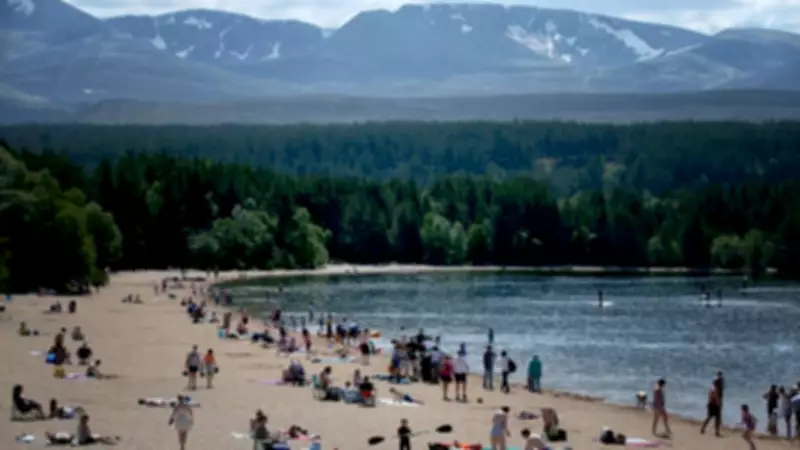
Cairngorms National Park, established in 2003 as the UK's largest national park, is a vital sanctuary for biodiversity, hosting approximately 25% of the nation's rarest species. Notable inhabitants include the critically endangered capercaillie grouse and the Scottish wildcat, both facing severe population declines. The park also encompasses around half of Scotland's ancient pinewoods, making its protection paramount. Annually, it attracts about two million visitors and supports a local population of 18,000 residents, balancing recreational access with conservation imperatives.
Exemptions and Awareness Campaigns
It is important to note that the ban does not extend to the use of camping stoves, provided they are operated safely and appropriately. To promote awareness, the CNPA will utilize roadside signage, informational leaflets, social media outreach, and collaborations with local businesses, disseminating the key message: "protect our national park. No flame, no spark." This multifaceted approach aims to educate the public on the risks associated with open flames during drier months.
Expert Insights on Wildfire Risks
Robert Lennox, SFRS area commander, highlighted the severe implications of wildfires, stating, "Wildfires pose a real risk to people, properties and nature. Each incident can significantly strain our resources, especially in remote locations like the Cairngorms." He further noted that extreme weather events, including floods, droughts, and wildfires, have become more frequent in the region, exacerbating the vulnerability of local communities. Sandy Bremner, convener at CNPA, echoed these concerns, urging visitors to continue enjoying the park while adhering to the new rules to prevent irreversible damage.
This seasonal ban represents a critical tool in the ongoing effort to preserve Cairngorms National Park's natural heritage and ensure public safety, aligning with broader environmental strategies to combat climate-related hazards in Scotland.