Deadly Assault on Congo's Upemba National Park: Rangers and Staff Targeted in Militia Raid
In a harrowing incident that underscores the extreme dangers faced by conservationists in conflict zones, armed militants launched a deadly assault on Upemba National Park in the Democratic Republic of the Congo earlier this month. Survivors describe a pre-dawn attack that left seven people dead, including five civilians, as rangers and staff were specifically targeted by a well-coordinated armed group.
The Attack Unfolds: A Routine Morning Turned Deadly
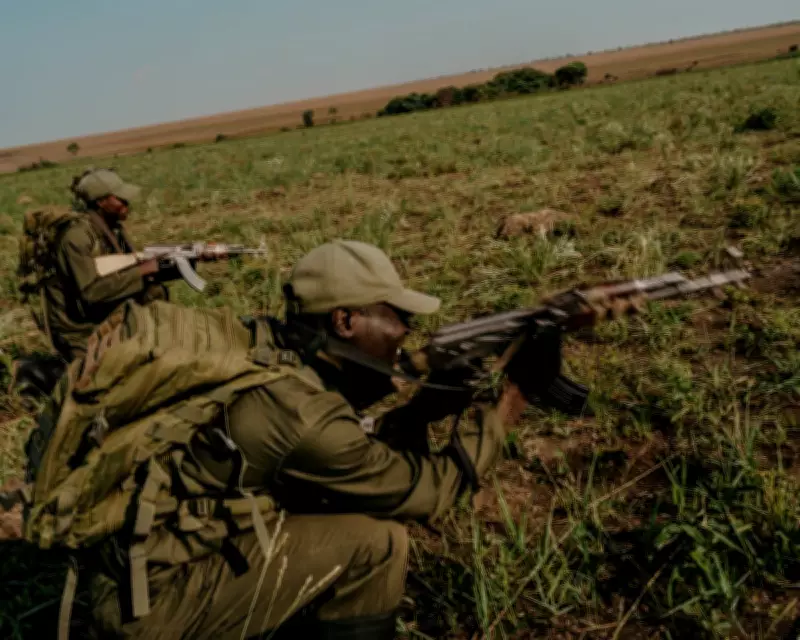
On Tuesday, March 3, 2024, at approximately 5:40 AM, machine-gun fire erupted from the darkness surrounding Lusinga, the park headquarters located on a steep grassy ridge in south-east DRC. As many as 80 heavily armed fighters had stealthily infiltrated the protected grasslands, encircling the base where a dozen rangers were being briefed for their daily anti-poaching patrol. Despite efforts to defend the headquarters, the attackers overwhelmed the rangers within half an hour, looting weapons and munitions while conducting a door-to-door search for individuals on a kill list.
Innocent Mburanumwe, Upemba's deputy director, who was present during the briefing, recounted the horror: "We tried to fight back, but they dominated us. It was horrible." The assailants, divided into two groups, included a larger, unruly faction likely drawn from the local pro-independence militia Bakata Katanga, and a smaller, highly trained commando unit of about 20 men dressed in black fatigues and equipped with advanced weaponry.

Victims and Motives: A Tragic Loss for Conservation
Among those killed was Dr. Ruth Osodu, a 28-year-old veterinarian who had joined the park in 2024 to monitor animal populations. Mistaken for a Kasaian—a group targeted due to political affiliations—she was described by her uncle, François Kitoko, as someone who "gave her life to protect the richness of Congo." Other victims included Subira Bonhomme, head of the planning department and a father of two, and a motorbike driver from eastern DRC, hacked to death during the chaos.
The attackers' orders were precise: target rangers and individuals from Kasai, the home region of DRC President Félix Tshisekedi. While foreigners were spared and even given water, one was used as a human shield during the raid. Staff displayed remarkable courage, attempting to deceive the militants to save lives, such as pointing to Bonhomme's body when asked for a specific person.
Context and Aftermath: A Conservation Success Story Under Threat
Upemba National Park, spanning 1.3 million hectares—larger than Lebanon—is a critical haven for threatened species, including the DRC's last herd of wild zebras and some of the remaining elephants in southern DRC. In recent years, it had emerged as a rare conservation success story, with increased funding leading to the recruitment of new rangers and recovery of animal populations decimated by poaching. However, the park's 256 rangers, many nearing retirement, are trained to combat poachers, not militia groups, leaving them vulnerable to such large-scale assaults.
Despite warnings received by nearby Congolese soldiers, military assistance did not arrive until late evening, long after the killings had concluded. Survivors, including park director Christine Lain, who hid in a roof space during the attack, faced further danger when untrained militia fighters returned hours later, forcing a frantic escape into the bush overnight.
Unanswered Questions and Rebuilding Efforts
The identity of the attackers remains unclear, though the group Mouvement Debout Katanga pour la libération du Congo (MDKC) claimed responsibility three days later, citing opposition to Tshisekedi's rule. There are fears the violence may be linked to the conflict with Rwanda-backed M23 rebels in eastern DRC, with survivors noting some commandos spoke Swahili variants common in that region. The DRC government has suggested Bakata Katanga is "likely linked" to M23, though this remains unconfirmed.

In response, the International Union for Conservation of Nature (IUCN) condemned the attack, highlighting the global risks faced by rangers and protected area staff. For Upemba, the focus is now on rebuilding and ensuring staff safety in an increasingly perilous environment. Christine Lain, already back at Lusinga, stated, "We have to start again from scratch. We keep going." This tragic event serves as a stark reminder of the sacrifices made by those dedicated to preserving biodiversity in some of the world's most dangerous regions.