Garden Log Pile in Hove Transforms into a Bustling Wildlife Sanctuary
In a quiet garden in Hove, East Sussex, a simple log pile has evolved into a vibrant microcosm of life, demonstrating how dead wood can foster remarkable biodiversity. This humble heap, meticulously assembled by gardener Kate Bradbury, serves as a thriving habitat for a wide array of creatures, from croaking frogs to industrious insects.
A Diverse Collection of Wood Species Enhances Ecological Value
The log pile is not just a random stack of timber; it is a carefully curated mix of various tree species, each contributing uniquely to the ecosystem. Bradbury has incorporated oak, elder, hazel, willow, birch, apple, walnut, and hawthorn, sourced from neighbors, allotments, and tree surgeons. This diversity is crucial, as different tree species in death support distinct communities of insects and fungi, thereby maximizing the variety of life the pile can sustain.
By intercepting logs from felled trees, Bradbury transforms what might be a moment of loss into an opportunity for renewal, giving new purpose to the wood and hope for the organisms it will nurture. This practice underscores a deeper ecological principle: dead wood is far from lifeless; it is a cornerstone of habitat complexity.

Strategic Arrangement Attracts a Multitude of Species
The way the logs are arranged plays a pivotal role in attracting different wildlife. Buried wood lures stag beetles, while elevated pieces draw wasp beetles. Specialists such as bark-dwelling insects and softwood enthusiasts find niches here, alongside solitary bees that utilize abandoned holes for egg-laying and wasps that carve their own cavities. The soil beneath teems with detritivores like earthworms and springtails, aided by fungi and bacteria that gradually decompose the wood into rich earth.
Fungal diversity is evident, with jelly ear fungi identified among brackets, strands, and even a pink slime mould, adding to the pile's ecological tapestry. This intricate web of life highlights how structural variety in a log pile can support a broader spectrum of species.
Amphibians and Insects Thrive in the Moist, Sheltered Environment
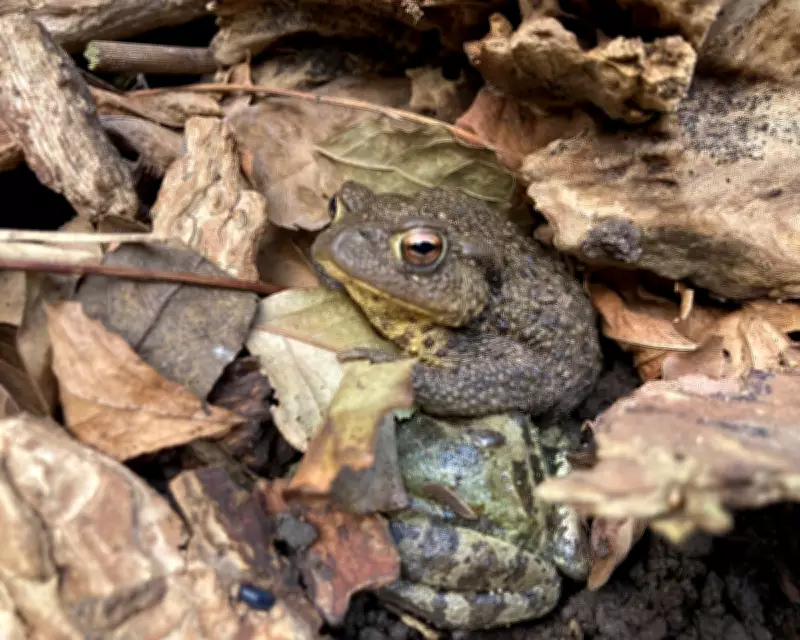
As Bradbury recently dismantled part of the pile to make room for a hedgehog box, she uncovered a hidden world pulsating with activity. The bottom layers, moist and fragrant with a sweet earthy smell, hosted a lively assembly of frogs and toads. One female toad was gravid with unlaid spawn, while four frogs peered from a hollow log, showcasing the pile's role as a breeding ground and refuge.
Beetles, centipedes, and other invertebrates scurried through the crumbly wood and leaf litter, emphasizing the pile's function as a sanctuary for often-overlooked creatures. This discovery reaffirms the importance of such habitats in urban and suburban gardens for supporting local wildlife populations.
Future Prospects: Integrating a Hedgehog Box for Enhanced Habitat
With the addition of a paving slab to prevent rot, Bradbury has reintroduced the logs, placing softer ones on the soil and drier ones around the new hedgehog box. As spring unfolds, grasses and plants will envelop the structure, concealing it and encouraging amphibians to return. The hope is that a female hedgehog will discover the box, completing the heap as a comprehensive habitat.
This garden log pile in Hove stands as a testament to how small, intentional actions can create significant ecological benefits, offering a gift of life and diversity in our own backyards. It inspires others to consider similar practices, turning ordinary garden features into hubs of biodiversity and environmental stewardship.