London's Parakeets: Ecological Menace or Vibrant Urban Icons?
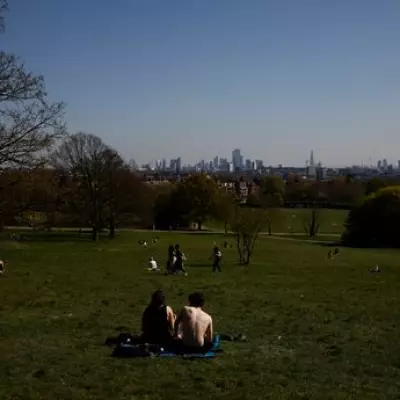
If you have taken an evening walk through one of London's numerous parks, you might have observed a flash of brilliant green streaking toward the treetops. This spectacle marks the daily roosting of parakeet flocks, a common yet exotic sight in the capital. Despite their colorful appearance, these birds are at the center of a heated controversy. How did they arrive in London, why are their numbers exploding, and what does their presence mean for the city's environment? With birdwatching popularity soaring among Gen Z, evidenced by a 200 percent spike in Google searches in February 2026, we consulted scientific experts and London residents to uncover the truth about parakeets.
What Exactly Is a Parakeet?
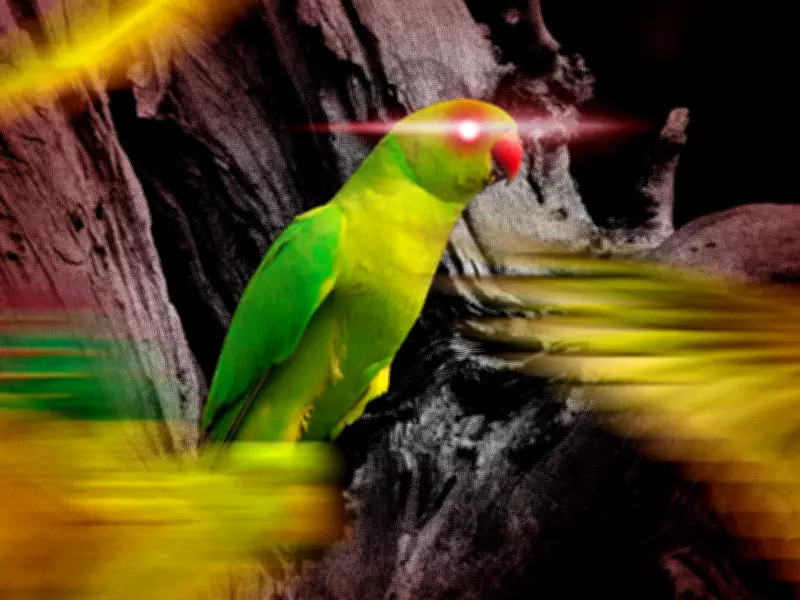
Ring-necked parakeets, standing approximately 40 centimeters tall, are distinguished by their vibrant green feathers, fiery orange eyes, sharp red beaks, and, in males, pink necklaces. They are the only naturalized parrot species in the United Kingdom. Originally from Asia and sub-Saharan Africa, they have become so numerous in London that ecologists label them an invasive species. According to David Attenborough's documentary Wild London, an estimated 30,000 ring-necked parakeets currently reside in the city.
Myths about their origins abound, from escapes during the filming of The African Queen in 1951 to releases by Jimi Hendrix in 1962. However, Professor Tim Blackburn, an expert in invasion biology, debunks these tales. Through a 2019 study using spatial analysis, he and Professor Steve Le Comber traced the population back to pet owners releasing birds into the wild, particularly in west Kent and Croydon during the 1950s psittacosis health scare. Since gaining British Bird status in 1983, their numbers have grown exponentially, with London's flocks likely seeding populations as far north as Aberdeen.

Why the Controversy?
While many species in London are non-native, such as plane trees and feral pigeons, parakeets raise unique concerns due to their aggressive behavior. Attenborough notes their social nature and boldness, which may threaten local ecosystems. Kate McVay, a Community and Ecology Advisor at Wormwood Scrubs working with the RSPB, highlights issues like flower bud nibbling and competition for food resources, though she admits data is limited.
Evidence from mainland Europe suggests more severe impacts. Professor Blackburn points to declines in nuthatch populations in the Netherlands and bat populations in Spain, attributing this to parakeets monopolizing tree holes, a scarce resource for nesting. Additionally, he warns of economic threats as climate change may drive parakeets into agricultural areas, damaging fruit and wine crops.
Public Opinion: Love or Loathe?
Public sentiment is divided. A Time Out Instagram poll revealed 80 percent of 373 respondents adore the birds, while only 11 percent dislike them. Conversely, Reddit discussions feature harsh critiques, with users describing parakeets as noisy, aggressive, and detrimental to smaller songbirds. One user recounted witnessing parakeets ganging up on a squirrel, fueling animosity.
The Silver Lining: Engaging a New Generation
Despite the ecological concerns, parakeets play a role in fostering nature engagement. Birdwatching, once seen as a niche hobby, has gained traction among Gen Z, with Google searches for London birdwatching jumping 40 percent in early 2026. Parakeets, with their striking appearance and loud calls, serve as an ideal entry point for novice birdwatchers; searches for parakeets in London surged 277 percent in March compared to February.
Professor Blackburn compares parakeets to marmite, polarizing yet beloved by many who visit places like Kensington Gardens to feed them. McVay echoes this, emphasizing that in an era of climate crisis, any connection to nature is valuable.
The Verdict
Parakeets occupy a complex position in London's environment. Their dominance poses risks to native species and future agriculture, yet their vibrancy encourages public engagement with urban wildlife. As the climate emergency looms, these green invaders remind us to scrutinize and cherish our natural spaces, highlighting the delicate balance between ecological preservation and human interaction.