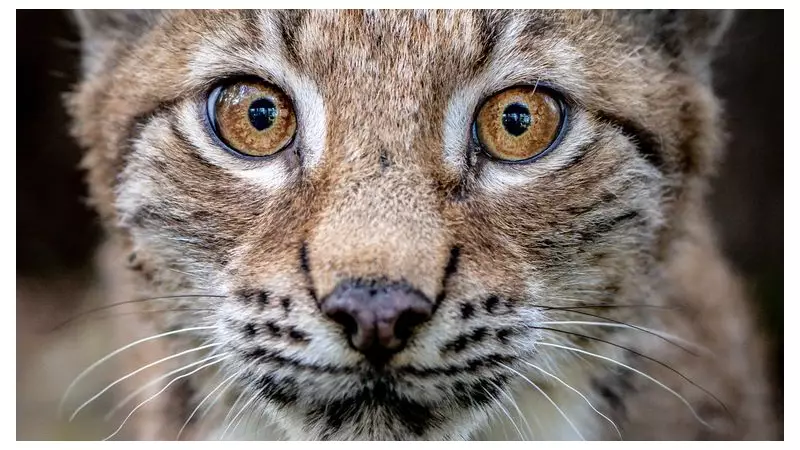
A landmark public consultation has been launched to gather opinions on the potential return of the Eurasian lynx to the forests of northern Scotland. The move, spearheaded by a coalition of rewilding charities, aims to assess social acceptance for bringing back the native predator, absent from the UK for centuries.
Balancing Biodiversity Benefits with Rural Concerns
The Lynx to Scotland partnership – which includes Scotland: The Big Picture, Trees for Life, and The Lifescape Project – has been studying a potential reintroduction since 2020. They believe the Highlands and Moray offer sufficient woodland and wild prey, such as roe deer, to support a population of up to 250 lynx in the long term.
Advocates argue the cats could deliver "significant benefits for biodiversity, landscapes, communities and businesses". Key positives cited include natural management of deer populations, which are often considered overabundant, and a potential boost for wildlife tourism. Steve Micklewright, Chief Executive of Trees for Life, stated that while the habitat is suitable, "social acceptance is just as important".

However, the proposal is met with apprehension from farming communities. Labrador-sized lynx are forest hunters known to occasionally take livestock, raising fears for the safety of sheep flocks. Any formal reintroduction scheme would require a licence from Scottish government agency NatureScot, following extensive consultation.
Government Stance and Recent History
The consultation launch follows a controversial incident just a year ago, in January 2025, when four lynx were illegally released into Cairngorms National Park. The animals were captured after several days, though one sadly died. The surviving three – named Bluebell, Caledonia, and Cardrona – remain in care at the Highland Wildlife Park in Kingussie.
Despite the ongoing public dialogue, the Scottish government has currently drawn a line under the prospect. A government spokesperson reiterated that it does "not intend to reintroduce lynx or any other large carnivores in the foreseeable future", citing potential negative impacts on farms and rural communities. The government does, however, support targeted beaver reintroductions.
How the Public Consultation Will Work
The partnership is embarking on a detailed programme of public engagement to inform their assessment. Some 89,000 households across 37 postcodes in the affected regions will receive information by mail.
A total of 42 in-person sessions are scheduled across the Highlands and Moray, beginning on 26 January 2026. The partnership has also promised further opportunities for individual discussions and meetings with stakeholder organisations in the spring.
Lisa Chilton, Chief Executive of Scotland: The Big Picture, emphasised a cautious approach: "Reintroducing lynx could help restore balance and breathe new life into Highland and Moray landscapes, but it would be essential to do this in a considered, responsible way that addresses questions and concerns."
Should a project eventually proceed, the partnership envisions a carefully managed start, with around 20 lynx released gradually over several years. Any released animals would be closely monitored using tracking collars and camera traps to study ecological impacts, tourism revenue, and any instances of livestock predation.