

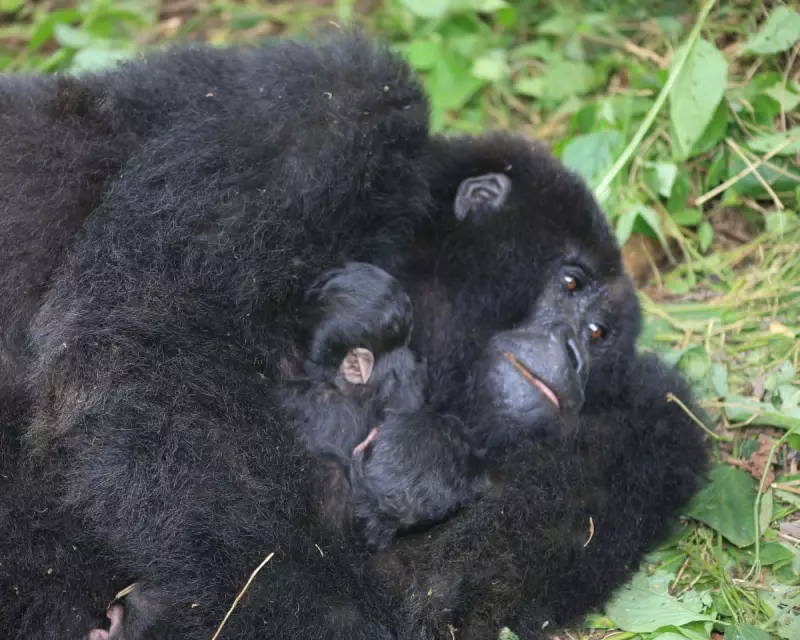
A pair of rare mountain gorilla twins has been born in the Democratic Republic of the Congo, offering a significant yet cautious boost for the endangered subspecies. The newborns, two male infants, were spotted on 3 January cradled by their mother, Mafuko, in a forest clearing within the iconic Virunga National Park.
A Delicate Milestone for a Vulnerable Species
Jacques Katutu, the head of gorilla monitoring at Virunga, described the moment he first saw the twins. With over 15 years of experience as a park ranger, he has witnessed many births, but this rare event struck a particular chord. "Watching Mafuko holding two babies was both moving and filled me with responsibility, given the twins’ extreme vulnerability," he said.
The birth is a notable achievement for conservation, but the infants face formidable challenges. Twin births in mountain gorillas are exceptionally rare and come with high risks. The subspecies suffers from significant infant mortality rates, with roughly a quarter succumbing to disease, trauma, or infanticide. Tragically, Mafuko herself gave birth to twins in 2016, but neither survived beyond a few days.

The rangers are maintaining a vigilant watch. "We are cautious and vigilant, while also maintaining hope. The first four weeks are the most critical," Katutu explained. The mother and her babies are under daily observation, with specialist veterinaries on standby should the gorillas show any signs of distress.
From the Brink of Extinction to a Cautious Comeback
The twins' arrival marks another chapter in one of the world's most remarkable conservation recoveries. In the 1970s, the mountain gorilla population had plummeted to barely 250 individuals, teetering on the edge of extinction. Decades of intense, collaborative protection efforts across their habitats have yielded dramatic results.
By 2018, numbers had climbed to surpass 1,000, leading the International Union for Conservation of Nature (IUCN) to downgrade their status from critically endangered to endangered. This turnaround is attributed to several key factors:
- Dedicated anti-poaching patrols by park rangers.
- Specialist veterinary interventions from organisations like Gorilla Doctors.
- Continuous daily monitoring of gorilla families.
Katutu noted that specialist veterinary care, which includes treating gorillas caught in snares, is credited with contributing to around half of the population increase.
Hope Amidst Ongoing Peril
Despite the overall population growth, the environment remains perilous. The DRC section of the Virunga massif is one of the most dangerous places on Earth for wildlife protectors. More than 220 rangers have been killed there over the past two decades, often in conflicts with armed militias and poachers.
Mafuko embodies the resilience of her species. Her own mother was killed when she was just four years old, yet she has since raised several offspring. The new twins have been born into the Bageni family, Virunga's largest gorilla group, which now numbers 59 members.
"Mafuko is an experienced mother. She is carrying both babies and is attentive to their needs. This is encouraging, although the situation remains delicate," said Katutu. The strategy is to allow natural maternal care to proceed with minimal human interference, intervening only if absolutely necessary.
For now, the infant gorillas will not be named until their survival seems more assured. "Initial observations show that they are calm and maintain good contact with their mother. Their behaviour is consistent with newborns in a good condition, while remaining very vulnerable," Katutu reported. Their continued survival would represent a profound victory for conservationists battling to secure a future for these majestic primates.






