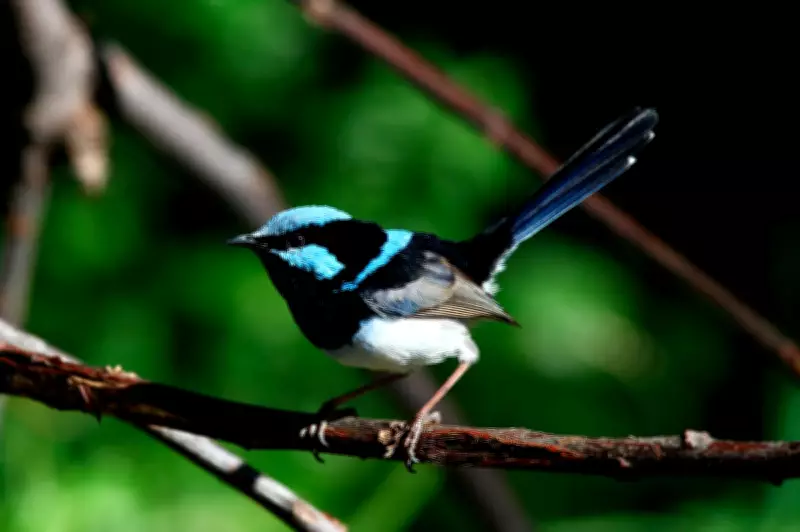
Australia's Iconic Superb Fairywren Could Vanish Within Decades as Climate Crisis Intensifies
Australia's beloved superb fairywren, a twice-voted national favorite bird, faces potential extinction within the next 30 to 40 years due to the escalating impacts of climate change, according to alarming new scientific research. The study, which analyzed nearly three decades of detailed observations, reveals how cumulative weather effects are pushing this once-common species toward rapid disappearance.
Decades of Data Reveal a Disturbing Trend
Researchers from James Cook University, Australian National University, and Hainan University conducted an extensive analysis of weekly observations tracking superb fairy wrens in Canberra's botanic gardens. The long-term data collection, initiated by researcher Helen Osmond, provided unprecedented insight into how changing weather patterns affect the birds throughout their life cycle.
"What's really dangerous for these birds is that there are all these climate impacts throughout the year and together they start to add up and affect them," explained senior study author Martijn van de Pol, an ecologist at James Cook University. "We suspect it will be the case in other common species but we don't have the detailed data for them."

The Cumulative Impact of Climate Extremes
The research paper, published in a leading scientific journal, found that superb fairy wrens experience multiple climate-related threats that compound their vulnerability:
- Low breeding success during unusually dry springs
- Reduced adult survival following warm winters
- Increased mortality during hot summer periods
- Habitat loss from urban development and land clearing
- Predation pressure from introduced species like cats and foxes
"Using various climate models, we found that human-induced climate change is likely to cause a high risk of population extinction within the next 50 years, even with optimistic emission scenarios," Van de Pol emphasized. The study specifically notes that "population extinction is likely to happen very fast; within the next 30–40 years in the intermediate and very high [carbon] emission scenario."
A Canary in the Coal Mine for Common Species
Dr. Holly Parsons, manager of priority sites at BirdLife Australia, described the findings as "quite alarming" for a species many Australians consider familiar and resilient. The superb fairywren, known for its vibrant blue plumage and energetic behavior, has been voted Australia's favorite bird in both 2013 and 2021 Guardian/BirdLife Australia polls.
"People thought rare birds were the ones to be concerned about," Van de Pol noted. "But the common species are also declining a lot and we might need to start worrying about them as well."
Parsons explained that urban development has significantly impacted the birds' habitat: "As we have built bigger houses on smaller blocks, as we sort of tidy up - remove the sort of habitat they like, which is lots of dense shrubby areas – we've seen that the species is much less common in our urban areas than they once were."
Broader Implications for Global Wildlife
The superb fairywren's plight mirrors concerning trends observed worldwide. Similar declines have been documented among insect-eating birds across Europe and North America, where species dependent on this food source have suffered the steepest population losses as insect numbers diminish.
"Hopefully it's a wake-up call for people because we share our space with our wildlife," Parsons urged. "When we're seeing serious threats to our common birds, you know it's just the tip of the iceberg as to what's happening amongst wildlife as a whole."
Practical Steps for Conservation
While addressing climate change requires global action, researchers emphasize that individuals can take immediate steps to support local bird populations:

- Provide clean water sources in gardens and outdoor spaces
- Plant native vegetation and maintain dense shrubby areas for shelter
- Create heat refuges with appropriate vegetation cover
- Support habitat conservation efforts in urban planning
- Advocate for stronger climate policies at all government levels
The superb fairywren's potential extinction serves as a stark reminder that even the most common and beloved species are vulnerable to climate change's accelerating impacts. As Parsons concluded, this colorful bird's struggle represents a critical warning about the broader biodiversity crisis unfolding across Australia and the world.