The UK government is on course to fail the majority of its legally binding environmental goals, according to a stark new assessment from its official watchdog. The report from the Office for Environmental Protection (OEP) concludes that seven out of ten targets set under the Environment Act 2021 have little chance of being met by the 2030 deadline.
A Damning Verdict on Environmental Progress
In a comprehensive review, the OEP found that progress is lagging across the board. Only three targets—on clean air, reducing harm from environmental hazards, and improving the beauty of nature—are considered even partly on track. The critical goal of halting the decline of British species, a cornerstone of biodiversity efforts, is almost certain to be missed.
The report states bluntly that "important species continue to decline" and that the window for meaningful change before 2030 has now largely closed. This puts iconic native animals like hedgehogs and red squirrels at further risk.

Growing Threats and Conflicting Policies
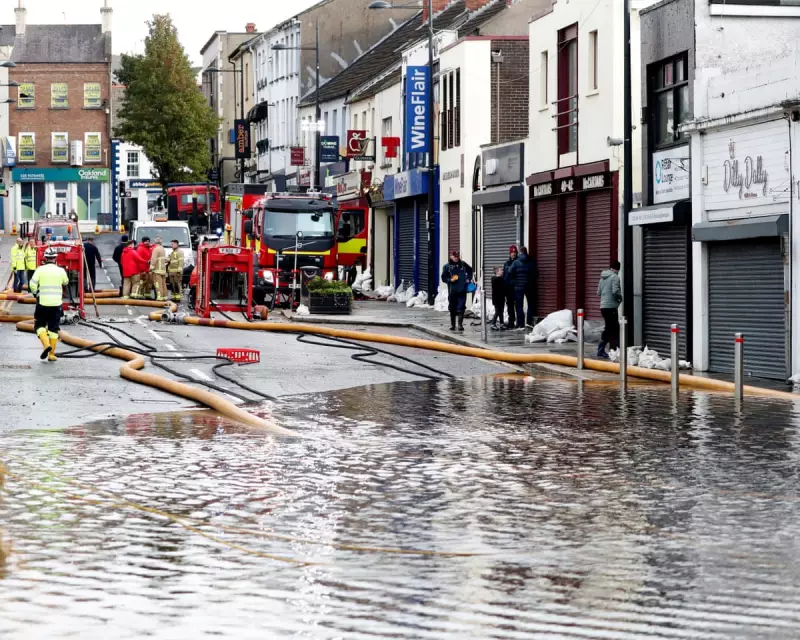
Compounding the failure to protect nature, the OEP warns that the public faces increased danger from environmental hazards. The risk of flooding and wildfires in England and Northern Ireland is now greater than before. The number of properties vulnerable to surface water flooding has risen, while the condition of flood defences has worsened, and wildfire incidents continue to increase annually.
Alarmingly, the watchdog highlights that some government policies are actively moving in the wrong direction. Proposed legislation, such as the planning and infrastructure bill, could potentially allow development on protected nature sites. Robbie McDonald, Chief Scientist at the OEP, expressed concern that this approach could lead to significant habitat loss.
Post-Brexit Accountability and a Call for Action
The OEP was established after the UK's departure from the European Union to hold ministers accountable under domestic law, replacing the enforcement role previously played by EU institutions. The 2021 Act was designed to ensure the UK did not fall behind European environmental standards, but this report suggests that aim is not being achieved.
Of 59 environmental trends monitored—from water quality to air pollution and species abundance—the data paints a bleak picture:
- Only 24 trends are improving.
- 11 are static.
- 16 are deteriorating.
- 8 could not be assessed due to lack of data.
Glenys Stacey, Chair of the OEP, emphasised that nature is not a barrier to economic growth but a fundamental enabler of it. Her message to the government was clear: "What happens now matters." The charity the RSPB echoed this urgency, stating that "nature in England is still in freefall" and demanding immediate, tangible action.
In response, Nature Minister Mary Creagh said the government was taking "urgent action" and would consider the OEP's assessment carefully. The report did note some positive steps, including falling levels of air pollutant PM2.5 and the Labour government's policy to block new oil and gas licences in the North Sea.