FDA Halts Fast-Track Approval for Nicotine Pouches Amid Youth Addiction Fears
The Food and Drug Administration (FDA) has unexpectedly delayed authorizing several popular nicotine pouch brands for sale in the United States, despite a previously announced fast-track program. Agency reviewers have raised significant concerns about the potential risks these products pose to new users, particularly children and young adults, according to three sources familiar with the matter who spoke to Reuters.
Regulatory Hurdles for Tobacco Giants
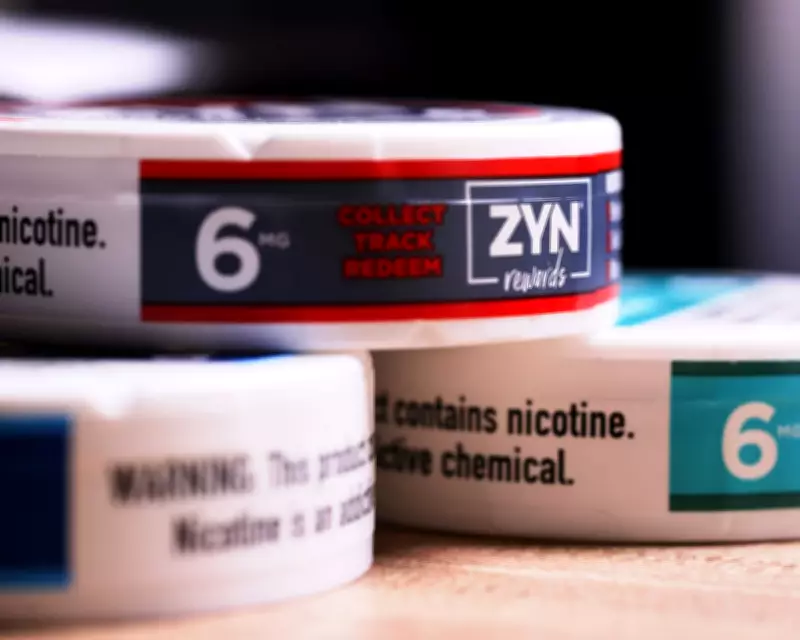
This regulatory setback deals a substantial blow to major tobacco companies, including Philip Morris International (PMI) and British American Tobacco (BAT). Both firms have pending applications for newer versions of their leading pouch products—Zyn and Velo, respectively. The delay has already triggered notable stock market reactions, with PMI's shares dropping more than 7% at one point before settling 4.8% lower, while BAT's stock declined by 1.5%. Turning Point Brands, another company with applications in the pilot program, saw its shares plunge over 17%.
Jefferies analyst Andrei Andon-Ionita noted that BAT and PMI shares now heavily depend on pouch products, which have become a crucial part of their valuation. These products were previously considered less vulnerable to regulatory risks, making the current delays particularly impactful.

The FDA's Balancing Act
Under U.S. law, all new tobacco products, including nicotine pouches, must receive FDA authorization before they can be legally sold. The agency evaluates whether a product can help adult smokers transition to less harmful alternatives while minimizing risks for non-tobacco users and youth. Nicotine pouches, which users place under their lip to absorb nicotine, represent the fastest-growing segment of the nicotine market in the U.S., with millions of users nationwide.
The FDA had launched a pilot program to expedite decisions on outstanding applications, with approvals expected by the end of 2025. While six pouches under Altria's on! PLUS label were authorized in December, applications for four other brands remain pending. Agency reviewers have adopted a cautious approach, citing insufficient scientific evidence to justify fast-tracking these products.
Youth and Addiction Concerns Take Center Stage
Two sources revealed that specific concerns revolve around the risks to youth and other non-users, such as potentially driving addiction in adults who do not currently smoke. The FDA emphasized in a statement that nicotine products are highly addictive and not risk-free, even for adults, and that nicotine can harm developing adolescent brains.
However, the agency acknowledged that pouches are generally less harmful than cigarettes and can reduce health risks when smokers switch completely. The FDA is currently weighing each product's effectiveness in helping smokers transition against comprehensive risk data, including survey results on pouch popularity among middle- and high-school students.
Annual FDA surveys indicate that while nicotine pouch use remains relatively low among youth, it has been steadily increasing in recent years. This trend has heightened regulatory scrutiny, even as the pilot program faced pressure from tobacco lobbyists and the White House to authorize more brands.
Market Implications and Industry Response
The delay poses particular challenges for PMI, as its Zyn brand has been losing market share while awaiting approval for newer, more competitive versions. PMI sold 794 million cans of Zyn in the U.S. in 2025 alone—more than double its 2023 sales—highlighting the product's significant market presence.
BAT stated that its applications deserve authorization based on robust scientific support and that it continues to engage constructively with the FDA. PMI did not address questions about the application delays but expressed support for the pilot program, suggesting it could promote public health and restore fair competition in the U.S. nicotine market.

The FDA maintains that decisions are based solely on science and law, denying any external pressure to grant more licenses. Meanwhile, the regulatory limbo has left some manufacturers unable to legally sell products or limited to outdated versions, even as sales of unregulated nicotine alternatives continue to surge.