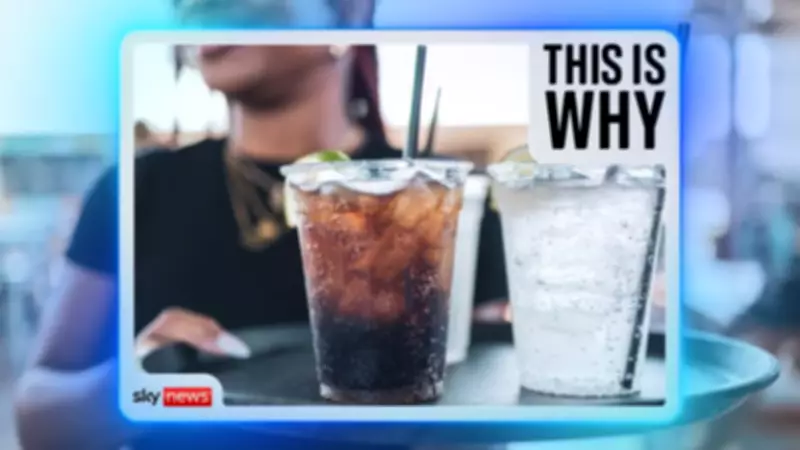
In a remarkable cultural shift, nearly half of young adults are now actively choosing low or non-alcoholic beverages, with this number nearly doubling since 2018. This trend represents a significant departure from traditional norms, where excessive drinking was often viewed as a rite of passage during early adulthood. To understand why Generation Z is making this clear-headed decision, one must examine the growing influence of the "sober curious" movement.
The Rise of the Sober Curious Movement
The sober curious movement has gained substantial traction, largely propelled by social media influencers who champion the benefits of a booze-free lifestyle. These digital advocates highlight improved mental clarity, better physical health, and enhanced overall well-being as key advantages of reducing or eliminating alcohol consumption. This movement encourages individuals to question their drinking habits without necessarily committing to complete abstinence, fostering a more mindful approach to alcohol.
Changing Social Norms and Health Awareness
Historically, binge drinking was often normalized as an integral part of young adult social life. However, Gen Z appears to be rewriting this script. Increased awareness of mental health issues, coupled with a greater emphasis on wellness and self-care, has prompted many to reconsider their relationship with alcohol. Additionally, the availability of sophisticated non-alcoholic alternatives has made it easier for young people to socialize without feeling pressured to drink.

Implications for the Pub and Hospitality Industry
As the pub industry already faces significant challenges, including rising operational costs and changing consumer behaviors, this shift towards sobriety presents both a challenge and an opportunity. Industry leaders must adapt to cater to a more sober generation by expanding their offerings of high-quality non-alcoholic drinks and creating inclusive environments that do not revolve solely around alcohol consumption.
Expert Insights and Future Adaptations
In discussions on this topic, experts like sober curious influencer Millie Gooch and Kate Nicholls, chair of UKHospitality, emphasize the need for the hospitality sector to innovate. This could involve developing enticing alcohol-free menus, hosting events that focus on activities rather than drinking, and marketing strategies that appeal to health-conscious consumers. The industry's ability to evolve will be crucial in retaining relevance among younger demographics.
Ultimately, Gen Z's move away from alcohol reflects broader societal changes towards health, mindfulness, and authenticity. As this trend continues to grow, it will likely reshape social customs and business models, encouraging a more balanced and inclusive approach to leisure and socializing.