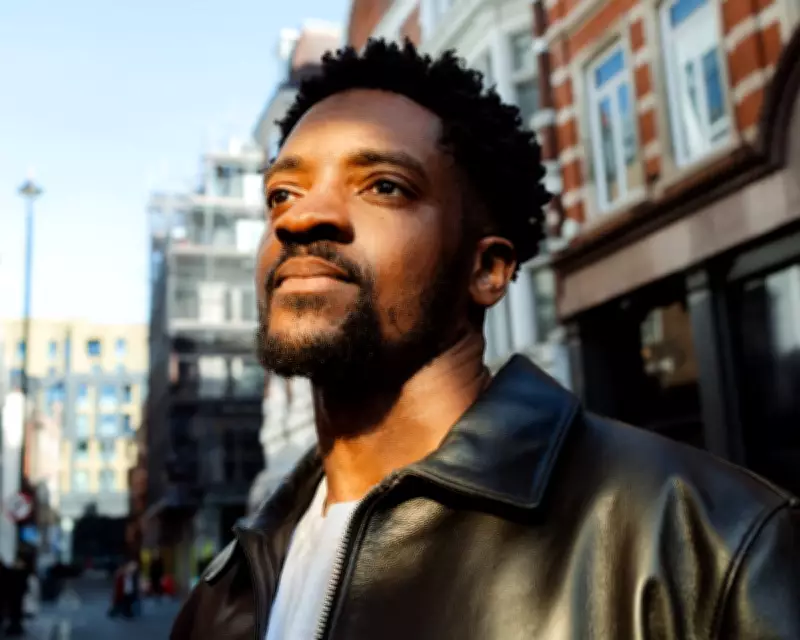
Guvna B Confronts Addiction and Recovery in Deeply Personal New Album
British rapper Isaac Borquaye, known professionally as Guvna B, has revealed his private battle with pornography addiction and subsequent recovery journey in his forthcoming album This Bed I Made. The award-winning musician, who previously addressed a racist attack on his 2023 album The Village Is on Fire, now tackles even more personal demons in his tenth studio release.
From Racist Attack to Personal Demons
The past five years have been particularly challenging for the 36-year-old artist. In 2021, Borquaye was targeted in an unprovoked racist attack at his local east London coffee shop, leaving him temporarily without sight in one eye. This traumatic experience inspired his critically acclaimed 2023 album, which featured a closeup image of his bloodied eye on the cover and addressed structural racism, youth violence, and gentrification.
"Albums are like chapters in the book of my life," Borquaye explains. "I can't move on until I document and communicate." While The Village Is on Fire dealt with external trauma, his new work explores internal struggles that he describes as "all stuff that I've done to myself."

The Hidden Battle with Addiction
Following his separation from the mother of his two children in 2023, Borquaye confronted what he calls "a battle I've had for most of my life" - an addiction to pornography. That same year, he entered rehabilitation to address the compulsive behavior that had been affecting his relationships and personal life.
"I ended up getting divorced and I wasn't as much of a present father as I'd like to be," he admits. "All the relationships in my life were suffering and I thought, I could either stick at rock bottom or be forced to rebuild."
Breaking Stigma Through Music
This Bed I Made represents Borquaye's attempt to break the stigma surrounding addiction and recovery. The album's eleven tracks, featuring jazz-influenced instrumentation, explore themes of shame, secrecy, and the psychological imprisonment of addiction. The recording includes clips from lectures by physician and addiction specialist Gabor Maté, whose work emphasizes addiction as a response to pain rather than moral failure.
"I don't want to be a poster boy for recovery," Borquaye says, "but it felt strange not to address it in the music when I've put so much of my life into it over the years." He hopes his openness will help others struggling with similar issues, noting that more than half of therapists surveyed by the British Association for Counselling and Psychotherapy report pornography addiction has been increasing among British men.
Cultural and Personal Barriers to Honesty
Borquaye attributes his long-term secrecy about his addiction to multiple factors, including cultural upbringing and religious background. "In those environments, everyone seems perfect ... if you have got anything shameful that you're battling, it's hard to be honest about it," he explains.
He also acknowledges being in denial about the seriousness of his compulsion, initially believing it wasn't as significant as drug or alcohol addiction. While the World Health Organization classifies compulsive sexual behavior as an impulse control disorder rather than an addiction, Borquaye experienced similar dependency patterns. "You might be enjoying something but you can't stop and it starts to be detrimental in other areas of your life," he describes.
The Recovery Process and Emotional Reawakening
During rehabilitation, Borquaye engaged in what he calls "unglamorous work" to rebuild his life. This included limiting social media use, studying Maté's work on addiction, and beginning therapy to explore childhood roots of his addictive behaviors.
"My dad didn't have the tools to process emotions and so they didn't get handed down to me either," he reflects. "I had all these big feelings but I didn't know how to deal with them." He notes that while sobriety brings back positive emotions, it also means confronting difficult feelings that addiction had previously numbed.

From Gospel Roots to Vulnerable Rap
Borquaye began his career during grime music's early 2000s explosion, standing out as an introspective, gospel-influenced rapper in a genre known for bravado. While winning multiple Mobo awards for best gospel act, he maintained a clean-cut public persona as a man of faith and family.
His journey from gospel rap to increasingly vulnerable subject matter mirrors a broader trend in UK hip-hop, with artists like Loyle Carner and Dave also exploring mental health, racism, and personal relationships. Borquaye sees this movement as crucial, particularly for young men he works with in secondary schools and prisons through creative writing workshops.
"I want to get them to open up," he says of the young men he mentors. "Trying to have genuine empathy and care for their situation will go the furthest way in helping men get rid of that bravado and start developing the emotional toolkit that everyone needs."
Family and Future Honesty
Now sharing custody of his six-year-old son and three-year-old daughter, Borquaye is implementing the emotional lessons he's learned in his parenting. While he's cautious about discussing his addiction with his young children, he hopes that one day his son will listen to This Bed I Made and appreciate his father's honesty.
The album represents not just artistic expression but personal liberation for Borquaye. "We keep secrets because we're scared what people will think," he concludes, "but when I put it into words, any shame that I'm feeling, it's quite a freeing thing."
Guvna B's new single Rest My Head is currently available, with the full album This Bed I Made scheduled for release on April 24. The project has received support from the Samaritans, the Forward Trust, and Dr. Gabor Maté.