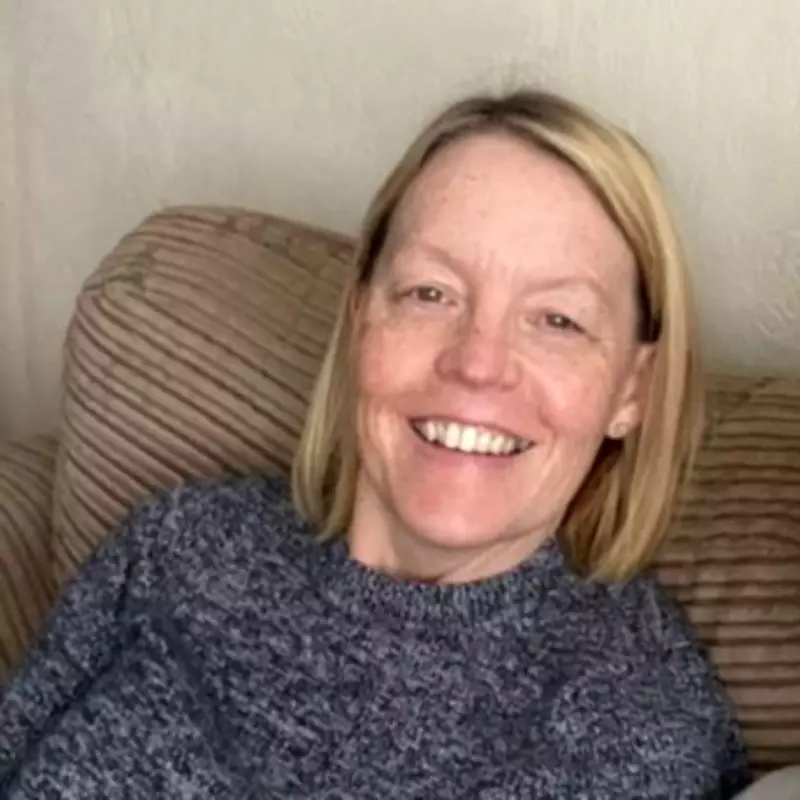
Mum's Cancer Symptoms Initially Dismissed as Burger Aftermath and Perimenopause
Kerry Hatrill, a 49-year-old mother from Bromley, first noticed alarming health signs that she casually attributed to consuming a questionable takeaway burger. She observed mucus and faint pink streaks when wiping after using the toilet, but after visiting her general practitioner and submitting a stool sample, the results returned as normal, providing temporary reassurance.
Escalating Symptoms and Misattribution
Over the subsequent weeks, Kerry began experiencing persistent bloating, significant changes in her bowel habits, and an increased urgency to visit the toilet. Despite these concerning developments, she continued to rationalize the symptoms, linking them to perimenopause or general age-related changes.
"My stools became pencil thin, and I often felt the urge to go but couldn't," Kerry explained. "I also had sharp pain in my rectal area a couple of times a month and was dealing with extreme fatigue. When I noticed mucus and pink streaks after wiping one evening, I assumed I'd eaten something dodgy the night before."

She reflected on her mindset at the time, stating, "Looking back, I'd also been brushing off my symptoms as being related to perimenopause, my menstrual cycle, or simply age-related changes."
Critical Turning Point and Diagnosis
The situation reached a critical juncture in April 2024 when Kerry experienced a significant episode of bleeding, prompting her to return to her doctor. Further medical tests revealed she had developed anaemia, leading to an urgent referral for a colonoscopy.
During the colonoscopy procedure, doctors discovered a tumour in her rectum, approximately the size of a small orange. One month later, Kerry received the official diagnosis: stage three rectal cancer.
"I'd already been given an indication it could be cancer, so when I received the official diagnosis, I felt prepared," said Kerry, who works as a customer service assistant. "I was calm and ready with questions. A Macmillan Cancer Support nurse who was with me thought I might be in shock, but I wasn't. I simply wanted the cancer removed and to be cured, especially as I'd been told that treatment would be with curative intent."
Intensive Treatment Journey
Kerry embarked on an intensive treatment regimen, beginning with four rounds of chemotherapy. This was followed by 25 sessions of radiotherapy combined with chemotherapy tablets. In February of the following year, she underwent major surgery to remove the tumour completely.
Throughout her challenging journey, one of the most difficult moments was informing her two sons, Jake, 28, and Craig, 25, about her diagnosis.
"Telling my kids was incredibly hard because I couldn't guarantee what the outcome would be," Kerry shared. "However, they've been a constant source of support and strength, and they always believed in me as a fighter."
During chemotherapy, she experienced nausea, fatigue, weakness, and joint pain, and has been left with long-term peripheral neuropathy in her fingers and toes. Despite these challenges, she continued working, benefiting from an understanding and supportive employer.
Remission and Awareness Advocacy
Just one month after completing her final chemotherapy treatment, Kerry received the welcome news that she was in remission. She is now on a five-year monitoring plan to check for any potential recurrence.
"When I was told there was no evidence of disease, I felt elated," Kerry expressed. "Everything I had been through felt worth it, knowing that I had come through the other side and was cancer free."
Kerry is now actively sharing her story to raise awareness about the often-overlooked symptoms of bowel cancer and to encourage others to trust their instincts regarding their health.

"I want to encourage others not to ignore symptoms," she emphasized. "If you experience any changes in bowel habits lasting more than three weeks, blood in your stool or when you wipe, bloating, or extreme fatigue, please seek medical advice. You're never too young and I urge people to persist with their doctor and advocate for themselves if something doesn't feel right. Early detection can make a life-changing difference."