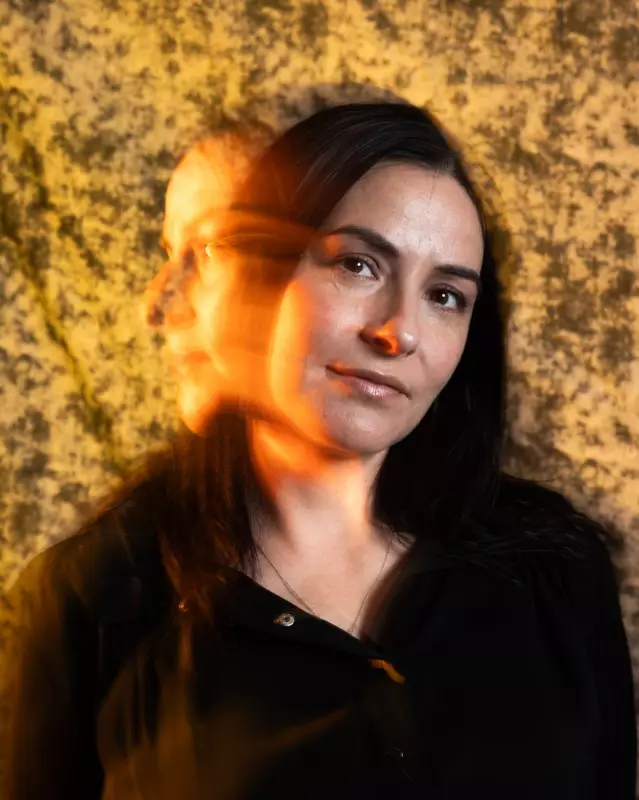
For most people, a name is just a sound. For Monique Todorovski, it's a full sensory experience that plays out on her tongue. The clinical administrator lives with an extraordinary neurological condition known as lexical-gustatory synaesthesia, where hearing words or sounds involuntarily triggers specific taste sensations.
A Life Shaped by Flavour
Monique's unique perception of the world became a pivotal point in her personal life when she met her future husband. "I liked him as a person but his name, Philip, tasted like crunchy green pears and I don't like green pears at all," she explains. Her solution was a compromise many would find unusual: she began calling him Phil. "It tastes more like stewed pear – sweeter and not as crunchy. It's just a nicer-tasting name in my mind."
She was 30 at the time and, crucially, had finally found an explanation for these lifelong associations after years of bewildering her family and friends. The moment of revelation came at 28, during a visit to the Melbourne Museum. Stumbling upon an exhibition about synaesthesia, she experienced a profound epiphany. "My brain lit up. I yelled out to my parents, this is me, this is what I have!" she recalls. It was the most exciting discovery of her life, even though her specific, rare form wasn't mentioned.

The Science of Tasting Speech
Lexical-gustatory synaesthesia is exceptionally rare, estimated to affect just 0.2% of the population. Cognitive neuroscientist Anina Rich, chair of the Synaesthesia Research Group at Macquarie University, notes there are two forms. Some individuals simply see an image of a food when they hear a word, while others, like Monique, experience an actual taste sensation on their tongue.
Monique appears to have a blend of both types, depending on the word. For her, the name "Bob" conjures the distinct flavour of a milk chocolate Easter egg. "Adrian," however, evokes the harsh chemical taste of toilet cleaner – though she is relieved she doesn't physically taste it. The sensation for "fellow" is soft and pillowy, like marshmallows in her hand.
Navigating Daily Life with Synaesthesia
This condition has practical implications. Choosing names for her children was a particular challenge. Her son is called Lucas, which tastes like a very ripe, mashed banana – a texture she finds acceptable because she enjoys the fruit. Her daughter's name required more careful consideration. "Alyssa" was settled on because it brings up a pleasant image of autumn leaves falling, rather than an unpleasant taste. The alternative spelling "Elissa" would have evoked the image of a blister needing to be popped.
Even place names are not immune. Her first home was on Chewings Street, a name that, ironically, tasted like a piece of flavourless chewing gum. While she says the condition isn't particularly useful day-to-day, it does make for a compelling party trick, with friends often calling to ask what taste their companions' names produce.
Over the last decade, online communities like Synaesthesia World on Facebook have provided Monique with a vital sense of belonging and understanding. While she has connected with people who have other forms, such as grapheme-colour synaesthesia, she has yet to meet another lexical-gustatory synaesthete in person. "I'd love to," she says, "as long as they have a nice-tasting name, of course."