London's Weight Loss Drug Crisis: A Dangerous Two-Tier System Exposed
A shocking new report from the London Assembly Health Committee has revealed that Londoners are being trapped in a dangerous "two-tier system" when it comes to accessing weight loss medications. The investigation found that the painfully slow NHS rollout of obesity treatments in the capital is pushing desperate patients toward unregulated and potentially dangerous black market alternatives.
The Stark Numbers Behind London's Medication Inequality
The committee's investigation uncovered staggering disparities in access to these potentially life-changing medications. While approximately 500,000 Londoners could be medically eligible for weight loss drugs like Mounjaro, only 3,000 were actually receiving them through the NHS as of November 2025. Even more concerning, projections suggest that only 35,000 to 40,000 Londoners will have access to these medications through the NHS by 2028.
Emma Best, chair of the London Assembly Health Committee, stated emphatically: "Weight loss medicines have the potential to transform the lives of many Londoners living with obesity, but right now access is deeply unequal. While thousands of people are able to buy these treatments privately, only a tiny fraction are receiving them on the NHS."

The Black Market Boom in London
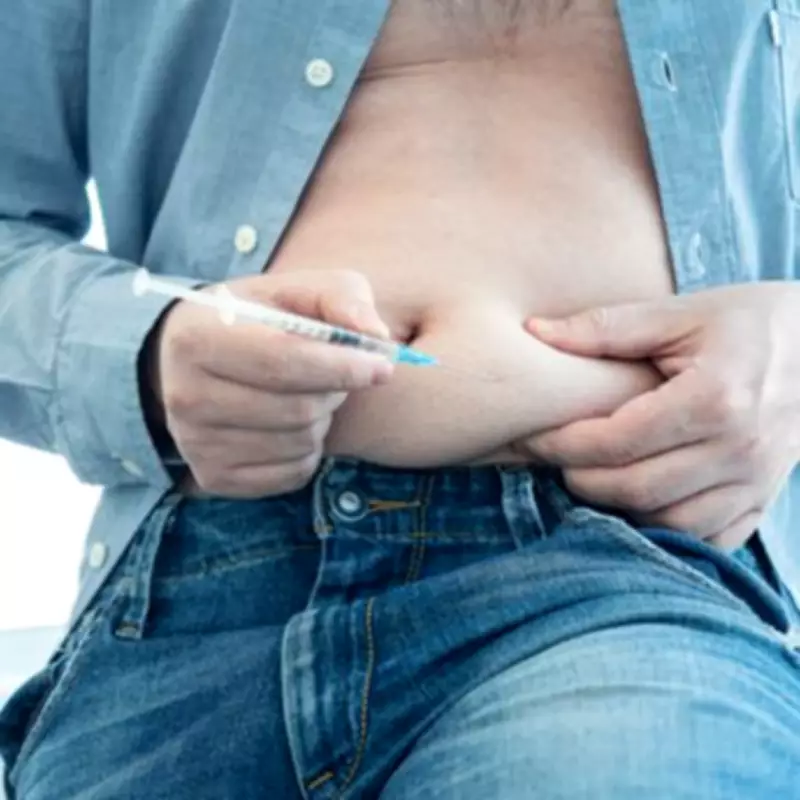
As legitimate access remains severely restricted, Londoners are increasingly turning to dangerous alternatives. The committee heard powerful testimony about patients purchasing so-called "skinny jabs" from beauty salons, gyms, social media platforms, and even in pubs and fish and chip shops. These unregulated sources often provide counterfeit or improperly stored medications that pose significant health risks.
During their months-long investigation, Assembly Members learned that up to two million people across the UK might be using weight loss drugs, including tens of thousands of Londoners, following a recent surge in popularity. The report warns that without faster public provision, more Londoners will encounter serious health complications from purchasing medications on the illicit market.
The Human Cost of Medication Inequality
The committee heard compelling evidence from Londoners whose health and confidence had dramatically improved through proper weight loss medication. Clinical trials suggest patients can lose between 10 and 20 percent of their body weight with appropriate treatment, offering significant health benefits for those struggling with obesity.
However, the current system creates what the report describes as a "two-tier system" where only those who can afford private treatment can access these medications safely. This inequality in access is creating unequal health outcomes across the capital, with wealthier residents able to bypass the NHS backlog while others risk their health with black market alternatives.
Call for Action and Systemic Reform
The report makes several urgent recommendations to address this growing crisis. First and foremost, it calls for accelerated NHS rollout of weight loss medications across London. The committee emphasized that the NHS must move faster to reach its own targets and prevent further growth in health disparities.
Additionally, the report stresses the need for "proper wraparound support" including comprehensive clinical pathways and systems that provide advice on dietary and lifestyle changes specifically tailored for weight loss medication patients. Without this holistic approach, the committee warns that patients may not achieve sustainable results even with medication access.
Cracking Down on Illegal Networks
The investigation revealed alarming statistics about the scale of the illegal weight loss drug market. Between 2024 and mid-2025, UK border authorities seized more than 18,000 illegal weight-loss medicines. The committee is calling for "greater regulation and enforcement" across illegal networks, channels, and social media platforms.
Specifically, the report recommends creating a dedicated cross-agency taskforce to combat the growing illegal market. This coordinated approach would target the various channels through which unregulated medications are reaching Londoners, from social media influencers to unlicensed beauty establishments.

NHS Response and Future Commitments
An NHS England London spokesperson responded to the report, stating: "We welcome the report and its recommendations. We recognise that our Integrated Care Boards are working to implement the NICE guidance within the timeframe that NHS England has agreed."
The spokesperson added: "We are committed to working with ICBs to develop a consistent London-wide clinical pathway and wraparound care offer, and to ensuring patient voices are central to the rollout. We are committed to ensuring that every eligible Londoner, regardless of where they live or their financial means, can access these medicines safely and with the right support around them."
The NHS has committed to reporting annually on progress toward the goal of providing 35,000 to 40,000 Londoners with newer weight loss medicines by 2028. Officials have pledged to closely monitor prescribing data and referrals to behavioral support services to ensure uptake is equitable and addresses current inequalities of access.
As London faces this growing health crisis, the pressure is mounting on health authorities to bridge the gap between those who can afford private treatment and those forced to risk their health on the black market. The coming years will test whether the NHS can deliver on its promise of equitable access to these potentially transformative medications for all eligible Londoners.