Pharmacists Demand Urgent Meningitis B Vaccine Catch-Up for Students After Deadly Outbreak
Pharmacists across the United Kingdom are calling for an immediate nationwide vaccine catch-up programme targeting university students and teenagers in response to a deadly meningitis outbreak that has already claimed two lives in Canterbury. The urgent plea comes as analysis of government data reveals stark disparities in vaccination coverage, with Hackney emerging as the London borough with the lowest MenB vaccination rate in all of England.
Outbreak Triggers Surge in Vaccine Demand
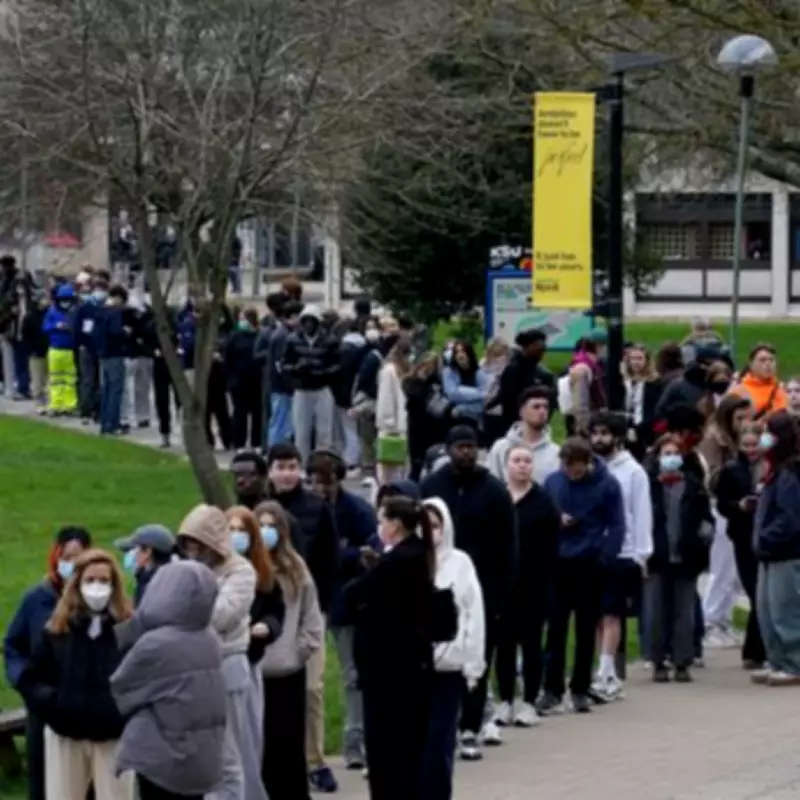
The tragic outbreak, centered in Canterbury, has resulted in two student fatalities and left several others hospitalized, prompting a significant surge in demand for meningitis vaccinations at pharmacies nationwide. This demand is particularly acute in Kent and the broader South of England region. The UK Health Security Agency has confirmed that some of the cases are caused by the Meningitis B bacterial strain, known as MenB.
MenB is rarer than viral meningitis but considerably more severe, with the potential to lead to life-threatening conditions such as blood poisoning, sepsis, and brain damage. In the most severe instances, the infection can prove fatal. Since 2015, the MenB vaccine has been routinely offered to infants through the NHS. However, this means individuals over the age of approximately ten are unlikely to have received this crucial immunization.

Hackney's Alarmingly Low Vaccination Rate
While a targeted vaccination initiative has commenced for 5,000 students in Kent, pharmacists are advocating for a far more extensive national programme. Their call is underscored by concerning data on vaccine uptake. The World Health Organization recommends a 95% vaccination rate among infants to ensure robust community protection. Alarmingly, not a single London borough meets this target.
Hackney records the lowest MenB vaccination rate in England, with just 61.3% of infants receiving the jab. This means approximately two in five children in the borough are unprotected against this dangerous strain. Even Sutton, which boasts London's highest MenB coverage, falls short at 91.3%.
The Critical Vaccination Gap for Young Adults
The United Kingdom pioneered the world's first routine MenB vaccination programme for infants in 2015. Consequently, anyone born before July 1, 2015, is not eligible for the free NHS vaccine unless they have a specific medical risk. This policy creates a significant protection gap for today's university students and young adults.
While many teenagers may have received the MenACWY vaccine introduced in 2015, this immunization does not offer protection against the MenB strain. This gap in coverage is now at the center of the public health response.
Independent Pharmacies Association Issues Urgent Call
The Independent Pharmacies Association has issued a stark warning and a direct appeal to the government. "The strain has now been confirmed to be Meningitis B, which means that those born before 2015, teenagers and young adults, have not been vaccinated against it," stated IPA Chief Executive Dr. Leyla Hannbeck.
Dr. Hannbeck reported a surge in demand for private MenB vaccinations, particularly in Kent and the South, leading to dwindling supplies and stockouts in some pharmacies. "We have also had a lot of worried parents who didn’t know if their children were vaccinated," she added.
The IPA is urgently calling on the NHS to commission pharmacies to deliver a nationwide catch-up vaccination programme specifically for university students and teenagers born before 2015. "There is not a moment to be lost in protecting young people across the country," Dr. Hannbeck emphasized.
Understanding Meningitis Symptoms and Response
Meningococcal disease can advance with alarming speed. Key symptoms of meningococcal meningitis and septicaemia include:

- Fever and headache
- Rapid breathing and drowsiness
- Shivering, vomiting, and cold hands and feet
- A distinctive rash that does not fade under pressure (a sign of septicaemia)
Early symptoms are often mistaken for common illnesses like a cold, flu, or hangover, placing students at particular risk of missing crucial early warning signs. Immediate medical attention is vital if symptoms appear. Contact a GP, call NHS 111, or dial 999 in an emergency. Early recognition and treatment are lifesaving.
Targeted Public Health Measures Underway
In response to the outbreak's severity, the UKHSA has initiated a small, targeted vaccination programme, starting with students at the Canterbury Campus Halls of Residence at the University of Kent. This programme may be expanded as the agency continues its risk assessment.
Currently, the UKHSA is prioritizing antibiotic prophylaxis, a highly effective method for preventing disease and transmission. "Around 2,500 doses of antibiotics have now been administered across sites in Kent," said Trish Mannes, UKHSA Regional Deputy Director for the South East.
"As a further precaution and together with the NHS, we are beginning to roll out a targeted MenB vaccination programme," Mannes explained, noting it is initially offered to 5,000 University of Kent students with potential for extension.
While the UKHSA is coordinating the national response, officials clarify this does not constitute a formal declaration of a national NHS incident, which is reserved for periods of significant system-wide pressure. NHS services continue to operate normally.