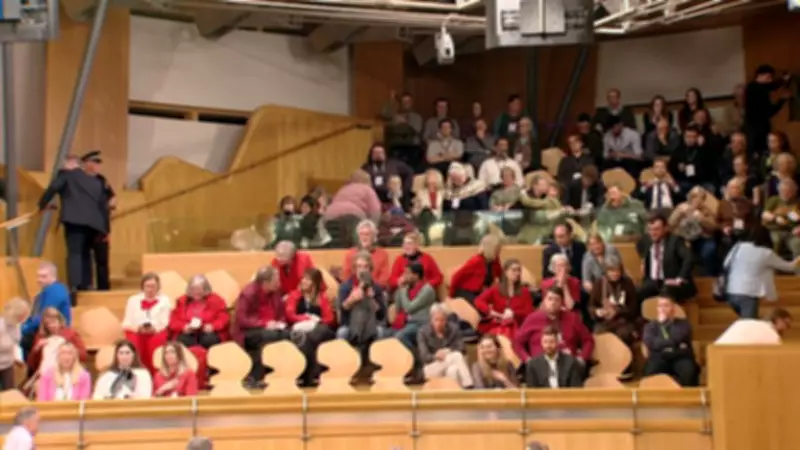
MSPs Reject Assisted Dying Legislation in Scotland
In a pivotal decision at Holyrood, Members of the Scottish Parliament (MSPs) have voted against the Assisted Dying for Terminally Ill Adults (Scotland) Bill. The final vote, held on Tuesday evening, resulted in 57 in favour, 69 against, and one abstention, effectively blocking the proposed legislation.
Debate and Key Figures
The Stage 3 debate and vote followed extensive discussions, with hundreds of amendments considered during multiple marathon sessions. Health Secretary Neil Gray announced his intention to abstain earlier in the day, contributing to the outcome. The vote was conducted as a free vote, meaning MSPs were not bound by party lines, making the result unpredictable until the final tally.
Scottish Liberal Democrat Liam McArthur, who introduced the bill, had previously described it as the "toughest and most comprehensively safeguarded assisted dying bill in the world." However, opposition was voiced by prominent figures, including Scottish Labour leader Anas Sarwar, who stated he did not support the law due to concerns over inadequate safeguards.

Reactions and Historical Context
Former First Minister Nicola Sturgeon expressed relief at the bill's failure, highlighting fears about potential internal pressure on individuals to exercise a right to die. This marks the third time MSPs have considered assisted dying legislation, with previous attempts also failing at early stages.
In contrast, other regions have moved forward on this issue. Last month, Jersey voted to legalise assisted dying for terminally ill adults, following the Isle of Man's Tynwald, which became the first parliament in the British Isles to agree on a framework for assisted dying nearly a year ago, though implementation is still pending.
Broader Implications
Meanwhile, at Westminster, the Terminally Ill Adults (End of Life) Bill for England and Wales is progressing slowly through the House of Lords and faces risks due to limited parliamentary time. The rejection in Scotland underscores ongoing debates across the UK about end-of-life care and legal frameworks for assisted dying.