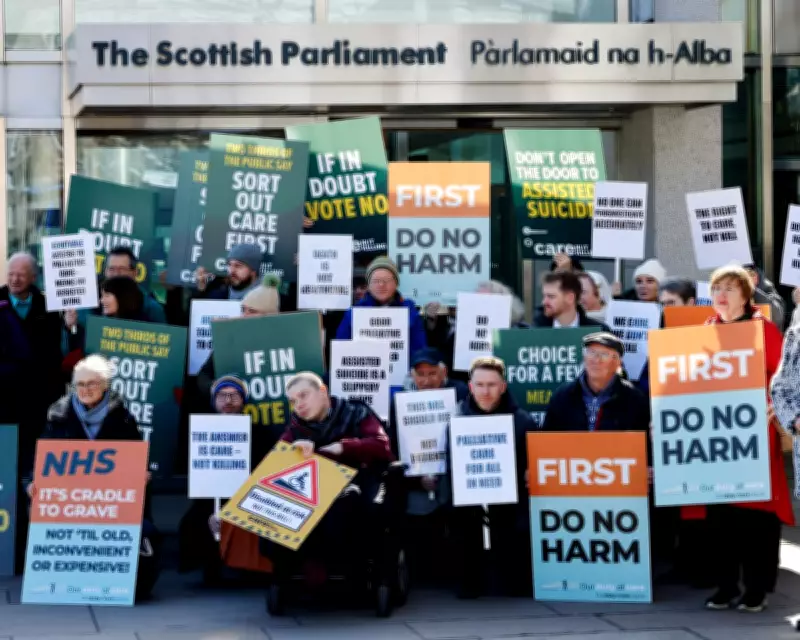
Scottish Parliament Rejects Assisted Dying Legalisation Bill
The Scottish Parliament has decisively voted against a proposed bill to legalise assisted dying, marking a significant moment in the ongoing national debate over end-of-life care and personal autonomy. The vote, which took place after extensive parliamentary discussions, saw a majority of members oppose the legislation, citing concerns over ethical implications, potential risks to vulnerable individuals, and the role of medical professionals.
Key Arguments in the Debate
Proponents of the bill argued that it would provide terminally ill patients with the right to choose a dignified death, reducing unnecessary suffering and aligning with principles of compassion and individual freedom. They pointed to international examples, such as in Canada and some European countries, where assisted dying is legal under strict safeguards.
Opponents, however, raised strong objections, emphasizing the sanctity of life and warning of slippery slopes that could lead to broader euthanasia practices. Medical associations and disability rights groups expressed fears that legalisation might pressure vulnerable people into ending their lives prematurely, undermining palliative care efforts.

Impact on Scottish Society
The rejection of the bill is expected to have wide-ranging effects on Scottish society. It leaves current laws unchanged, meaning assisted dying remains illegal, with potential criminal penalties for those involved. This decision may influence public opinion and future legislative attempts, as advocacy groups on both sides continue to campaign vigorously.
In the aftermath of the vote, discussions have intensified around improving palliative care services and support for terminally ill patients. Many parliamentarians called for increased funding and resources to ensure that all Scots have access to high-quality end-of-life care, addressing some of the concerns that fueled the assisted dying debate.
Future Prospects and Reactions
Despite this setback, supporters of assisted dying legalisation have vowed to continue their efforts, suggesting that public sentiment may shift over time. Polls indicate a divided population, with some surveys showing majority support for assisted dying under specific conditions, while others highlight persistent ethical reservations.
Reactions from stakeholders have been mixed. Religious organizations and conservative groups praised the parliament's decision as a victory for life ethics, while human rights advocates and some patient organizations expressed disappointment, arguing that the vote denies individuals control over their own deaths.
This parliamentary vote underscores the complex interplay between law, morality, and healthcare in Scotland, setting the stage for ongoing debates as society grapples with evolving attitudes toward death and dignity.