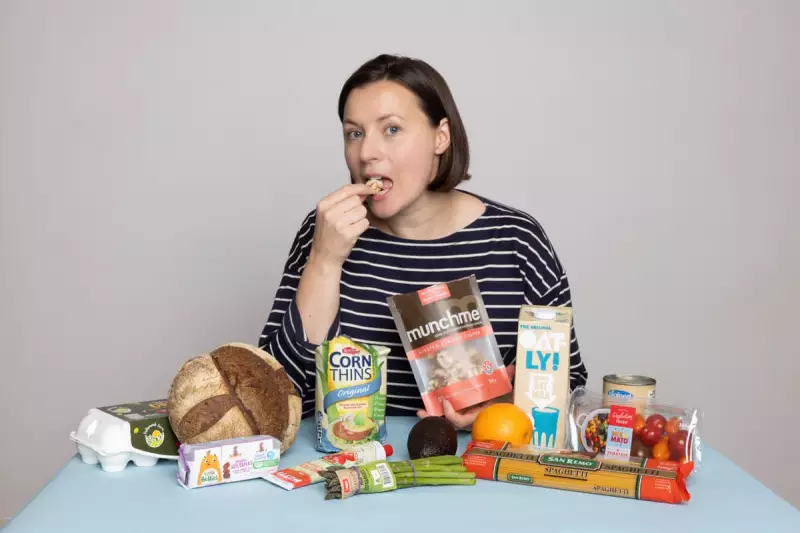
For many, a diet dominated by ultra-processed foods (UPFs) is a simple fact of modern life. From childhood breakfast cereals to convenient family dinners, these products are deeply woven into our daily routines. Inspired by a stark 2025 global report linking UPFs to serious health outcomes like type 2 diabetes, heart disease, and depression, journalist and parent Emma Joyce decided to confront this reality head-on. She embarked on a personal challenge: to completely eliminate ultra-processed foods from her diet for an entire working week.
The Rules of Engagement: Defining the Enemy
Before beginning, Joyce sought expert guidance to navigate the confusing landscape of food processing. Professor Mark Lawrence from Deakin University offered a rough rule of thumb: avoid products with long ingredient lists, steer clear of the middle supermarket aisles, and be wary of items containing "chemical-sounding" components. He acknowledged the difficulty, stating these products are so engineered into our food systems that avoidance is a significant challenge.
Dr Phillip Baker from the University of Sydney's School of Public Health added another filter: avoid ingredients you would never cook with at home. To formalise her approach, Joyce used the Nova classification system, where Group 4 designates UPFs. This category encompasses processed breads, ice cream, chocolates, energy drinks, chicken nuggets, and sweetened juices—essentially the contents of a typical pantry.

The financial impact was immediate. Replacing standard supermarket loaf with bakery rye bread and swapping emulsifier-laden spread for pure butter doubled her costs, highlighting an accessibility barrier to cleaner eating.
A Week of Scrutiny, Snacking, and Social Hurdles
The experiment started strong with homemade meals like avocado on toast and spaghetti bolognese. However, the realities quickly set in: preparation time and washing up increased dramatically, and the constant need to plan and scrutinise labels became a mental burden. Simple pleasures, like a takeaway coffee with oat milk, became a minefield after discovering most alternative milks contain UPF additives like maltodextrin and vegetable gums.
Social and professional life posed further tests. Office biscuits were replaced with bananas, cafe lunches were deemed too risky, and a simple jar of jam at a Friday lunch—containing pectin as a gelling agent—represented a final, sugary failure. The isolation and spontaneity lost from avoiding casual meals out became a significant downside, with Joyce noting that avoiding UPFs had started to become her "whole personality."
Seeking Balance Over Perfection
By the week's end, Joyce reached a pivotal realisation. The all-or-nothing approach was unsustainable and mentally exhausting. A conversation with dietitian Evangeline Mantzioris from Adelaide University provided a more pragmatic philosophy. Mantzioris advised picking the one ultra-processed food that brings the most joy and savouring it, while cutting out others that don't offer the same satisfaction.
This insight led to a shift in strategy. Joyce adopted a balanced approach, maintaining her UPF-free mornings but allowing herself the oat milk in her coffee. She learned that while cooking UPF-free at home was achievable with time, budget, and forethought, complete avoidance in the wider world was nearly impossible to do alone. The ultimate treat, she discovered, was the mental break from constant dietary scrutiny.
Her experiment underscored a critical point: in a food environment saturated with ultra-processed options, especially in high-consumption nations like Australia, the UK, and the US, the goal should not be unattainable purity but mindful reduction and informed choice, allowing room for both nutrition and joy.