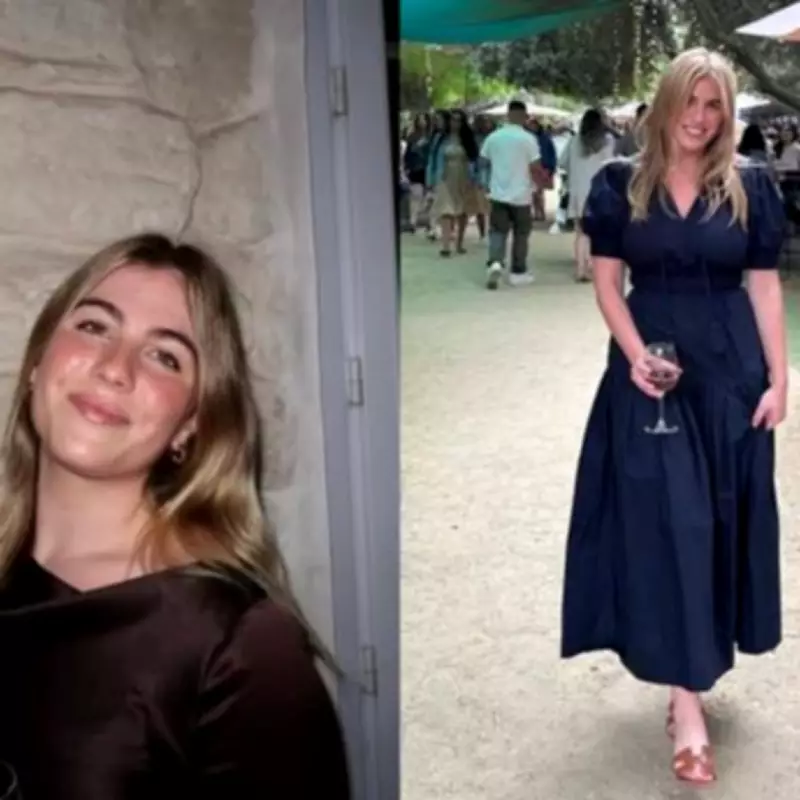
A Decade of Dismissal: The Painful Journey to Diagnosis
For ten agonizing years, Olivia Ferro's excruciating menstrual pain and baffling symptoms were repeatedly brushed aside by medical professionals who attributed her suffering to "normal hormone changes" or suggested it was "all in her head." The 26-year-old, who grew up in Chicago but now resides in central London, finally received a definitive diagnosis of polycystic ovary syndrome (PCOS) through private testing in the United Kingdom, ending a harrowing journey through healthcare systems on both sides of the Atlantic.
Early Symptoms and Medical Neglect
Olivia's health struggles began at the tender age of 10 when she started menstruating. By 14, she was experiencing extreme stomach pain around her menstrual cycle that would eventually become debilitating. "My doctors in the US would say 'You're just a girl, this is normal, it's your hormones'," Olivia revealed. "Or they would tell me it's all in my head – I just wanted to scream."
The situation escalated dramatically at age 15 when a burst ovarian cyst caused her appendix to become inflamed, necessitating an emergency appendectomy. Despite this traumatic event, her ongoing symptoms continued to be minimized by healthcare providers. She was prescribed birth control at 15 in an attempt to manage her symptoms, but this provided only partial relief while she continued to suffer from chronic pelvic pain, severe bloating, and irregular periods.

Years of Unexplained Suffering
Throughout her teenage years and early adulthood, Olivia endured multiple hospitalizations for severe pain and even unexplained septic shock episodes that left doctors baffled. "I'd miss classes at school and couldn't sit through stuff because my stomach pain or my pelvic pain was so extreme," she recalled. "It affects your mental health a lot too – my body's failing me, and I can't participate in school."
Adding to her frustration was an unexplained weight struggle. Despite being 5ft 4in, exercising daily, competing as an athlete in high school, and maintaining a healthy diet, her weight remained stubbornly fixed at around 11st 8lb (73.4kg). Medical professionals offered various theories including potential gluten allergies and irritable bowel syndrome, but no comprehensive diagnosis emerged.
The Turning Point in London
After moving from the United States to London in 2024, Olivia's health challenges coincided with her professional ambitions. She and her sister Chloe launched SheMed, a women's health company focusing on GLP-1 medications. Ironically, as they built their business, Olivia's own health reached a critical point with her periods becoming increasingly irregular – sometimes bleeding for two weeks straight with unpredictable patterns.
It was through private testing in the UK that Olivia finally received answers. Comprehensive hormone testing and ultrasound examinations revealed she had polycystic ovary syndrome, a common condition affecting how ovaries function. "Looking back, all my symptoms, apart from the sepsis, fit into this," she realized with both relief and frustration at the delayed diagnosis.
Treatment and Transformation
Following her PCOS diagnosis, Olivia was advised to discontinue birth control to help regulate her hormones naturally. Her GP suggested exploring GLP-1 treatment privately, which she accessed through her own company in summer 2025. The results have been transformative: she has lost over two stone (13.6kg), her testosterone levels have normalized, her fertility prospects have improved, and her menstrual cycles have become more regular.
"They've made me feel more like myself," Olivia said of the treatment. She now maintains her weight at 9st 6lb (59.8kg) and continues the medication with plans for ongoing management of her condition.
A Call for Systemic Change in Women's Healthcare
Olivia's decade-long diagnostic odyssey highlights broader issues in how women's health concerns are often minimized or dismissed. "Sometimes you know your body better than anyone else, and if you know something isn't right you need to fight for it," she emphasized. Her experience with SheMed has reinforced her commitment to creating better healthcare pathways for women.

Dr. Sue Mann, NHS national clinical director for women's health, acknowledged the available support systems: "The NHS offers a range of support for women with polycystic ovary syndrome, including mental health support, weight management and fertility services, and dedicated women's health hubs across the country providing specialist support in communities."
Yet Olivia's story underscores the persistent gaps between available services and timely, accurate diagnosis. She urges other women to advocate fiercely for their health: "I think asking questions is important, and push for your own health. In women's health in general, there isn't always a textbook answer to what is wrong – I think people need to start looking at the whole picture."
Her journey from dismissed teenager to diagnosed entrepreneur represents both a personal triumph and a sobering reminder of how far women's healthcare must still progress to ensure timely recognition and treatment of conditions like PCOS that affect millions worldwide.