A little-known African fruit is poised to become the next major superfood trend, and it's already hiding in plain sight on British high streets. While sea moss has dominated wellness conversations, baobab is emerging as a powerful contender, with its powder form featuring in products from Marks & Spencer to health food retailer Holland & Barrett.
What Is Baobab and Why Is It So Potent?
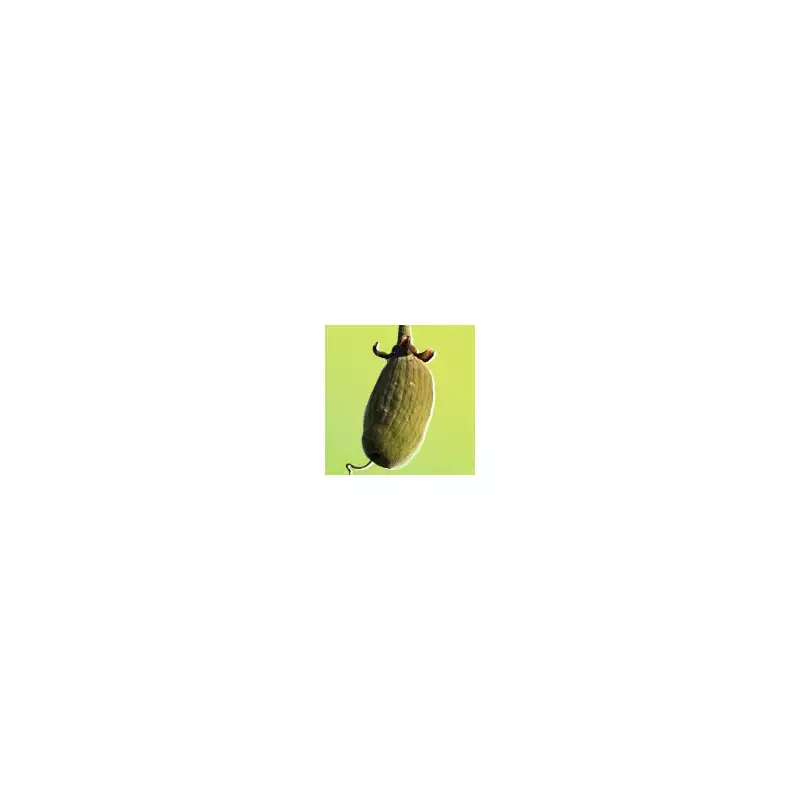
Derived from the ancient Adansonia digitata tree native to sub-Saharan Africa and Madagascar, baobab can live for over 3,000 years. Its fruit, found in hard pods hanging from branches, is traditionally dried and ground into a powder with a tangy, citrus flavour. Historically, various parts of the tree have been used in African cultures to address conditions from malaria to asthma.
Nutritionist Kristen Stavridis explains its impressive credentials to Metro. "It's more than 50% fibre," she states, highlighting fibre as the next sought-after supernutrient for gut health and reducing risks like colon cancer. Remarkably, baobab powder contains five times more fibre than oats.

Its benefits extend far beyond fibre. "It's rich in antioxidants and polyphenols," Stavridis adds. "These have anti-inflammatory properties and help our bodies fight free radicals, which age our skin and body faster." Furthermore, it boasts five times more vitamin C than oranges, a key antioxidant for immunity, digestion, and slowing skin ageing.
From M&S Shots to Your Smoothie: How to Consume It
For those seeking convenience, M&S's new Nutrient Dense H5O Shot utilises baobab to amp up fibre content. M&S nutritionist Louise Brunt notes they selected it from a 'larder of 250 ingredients' for its micronutrients, soluble fibre, and unique creamy-citrus flavour. Product innovator Sarah Taylor confirmed it's an ingredient they will "definitely be considering with future products."
It's not alone; health shot brand Unrooted, stocked in Selfridges, also features baobab as a primary ingredient. Consumers can also buy the pure powder from Holland & Barrett to blend into smoothies, juices, porridge, or baked goods. "You won't really taste it there, and it will do the world of good," advises Stavridis.
Getting Ahead of the 2026 Wellness Curve
Despite being approved for European markets 18 years ago, baobab has remained under the radar. Unrooted predicts a popularity boom in 2026, suggesting now is the time to explore its benefits. As Louise Brunt points out, "lots of people haven't even discovered it yet."
This versatile superfruit offers a simple way to significantly boost daily intake of fibre, vitamin C, and antioxidants, supporting everything from immune defence to youthful skin. Whether through a ready-made shot or a scoop of powder, integrating baobab could be a savvy move for health-conscious Brits looking to get ahead of the trend.