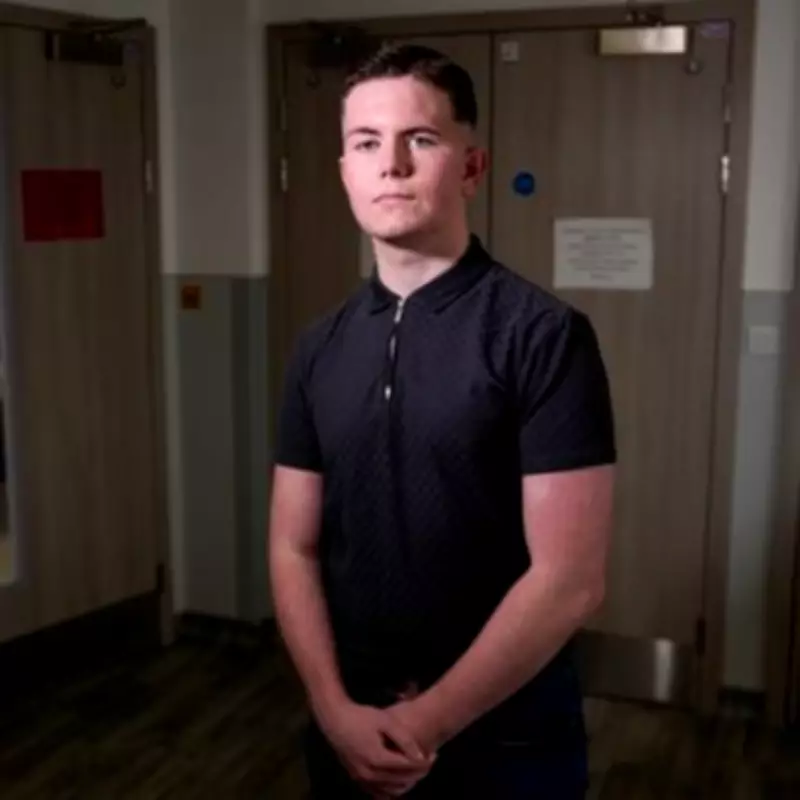
From Near-Fatal Ibiza Injury to Marathon Ambition: A Teen's Inspiring Recovery
Daniel Hurst, a teenager from Surrey, has shared his extraordinary journey from a life-threatening brain injury sustained during a football holiday in Ibiza to his current preparation for the London Marathon. The 19-year-old's story highlights both the fragility of life and the remarkable potential of human recovery with dedicated medical care.
A Holiday Turned Catastrophe
In May of last year, Daniel Hurst joined his teammates from Yateley United Football Club for their annual football trip to the popular Spanish island of Ibiza. What began as a celebratory excursion with fellow club members, including his father Steve, ended in near-tragedy when Daniel decided to walk approximately 300 yards back to their hotel alone after an evening out.
When Daniel failed to return, teammates launched a search. Several hours later, his father received a devastating phone call from local police informing him that a British teenager with severe head injuries had been hospitalized and was not expected to survive the night. The young footballer had suffered such extensive trauma that medical professionals initially doubted his chances of survival.

Critical Medical Intervention and Transfer
Daniel was immediately airlifted to a hospital in Majorca, where surgeons performed emergency surgery to relieve brain swelling by removing part of his skull. He was placed in a medically induced coma to stabilize his condition. After four weeks of intensive care on the Spanish island, he was stable enough to be transferred via air ambulance to Frimley Park Hospital in Surrey.
At Frimley Park, Daniel spent four months on the stroke unit, becoming the youngest patient ever treated in that specialized ward for traumatic brain injuries. Upon arrival, he faced significant challenges: he was unable to walk or communicate verbally, presenting his medical team with the complex task of rebuilding basic functions.
The Road to Recovery and Marathon Preparation
Through intensive rehabilitation and the dedicated care of hospital staff, Daniel has made remarkable progress. Now working at a local golf club and even returning to play football with his teammates, he has set an ambitious goal: to complete the London Marathon to raise funds for Frimley Park Hospital's charity.
"You have to keep moving forward," Daniel told reporters, emphasizing his commitment to demonstrating that recovery is possible after traumatic injury. "I want to help motivate people with brain injuries to just keep going forward – your life is never over. I know it is hard. There were moments when I thought 'is my life done?'... but you have got to keep going."
Medical Perspective on a Remarkable Case
Dr. Tilly Speirs, consultant stroke physician at Frimley Health NHS Foundation Trust who treated Daniel, described the challenges his case presented. "When he arrived we had to start right from the beginning and work out what his deficits were and what therapy he was going to need," she explained. "He couldn't walk when he came to us and it was a really scary time for his family because they didn't know what was going to happen and whether he would recover."
The physician noted that Daniel experienced post-traumatic amnesia upon arrival, unable to recall recent events. "He survived the head injury but the family didn't know what that survival was going to look like," Dr. Speirs added. "Dan is a testament that with rehab you can have a good outcome following a traumatic brain injury. He has done remarkably well and I think his future is going to be as bright as it was before he went on that trip."
A Family's Trauma and Safety Message
Daniel's father Steve recounted the harrowing experience of receiving the police call and having to inform Daniel's mother about the incident. "We were told there was a very high chance that he wouldn't make it – they were quite blunt about the severity of his injuries," he remembered. "Even after his surgery in Majorca we were told that it was an 'hour-by-hour, day-by-day' situation."

Both Daniel and his father now emphasize the importance of safety while traveling. "I would urge people to just be careful and always stick with at least one or two people, just always stay together," Daniel advised. His father echoed this sentiment: "The message is just, 'stick with someone, just be wary of surroundings'. This could happen anywhere."
Looking Forward with Determination
Despite the physical and emotional challenges of his recovery, Daniel maintains his pre-injury ambitions with adjusted timing. "I've got the same plans now I did before it happened – I'm trying to improve my golf, I'm running a lot, I go to the gym, things like that," he shared. "It's obviously been pushed back a little bit, but not a lot."
Regarding his upcoming marathon participation, Daniel has adopted a perspective focused on completion rather than competition. "Even if I just walk it, this year is not about beating my time last year, it is about getting over the finish line," he stated, expressing gratitude to the hospital staff who kept him motivated throughout his rehabilitation journey.
Daniel Hurst's story serves as a powerful reminder of both the vulnerabilities we face and the resilience possible through medical advancement, dedicated care, and personal determination. His journey from Ibiza's hospital wards to London's marathon route represents a triumph of modern medicine and human spirit.