Sam Browne's Viral Poetry Confronts Toxic Masculinity and Mental Health
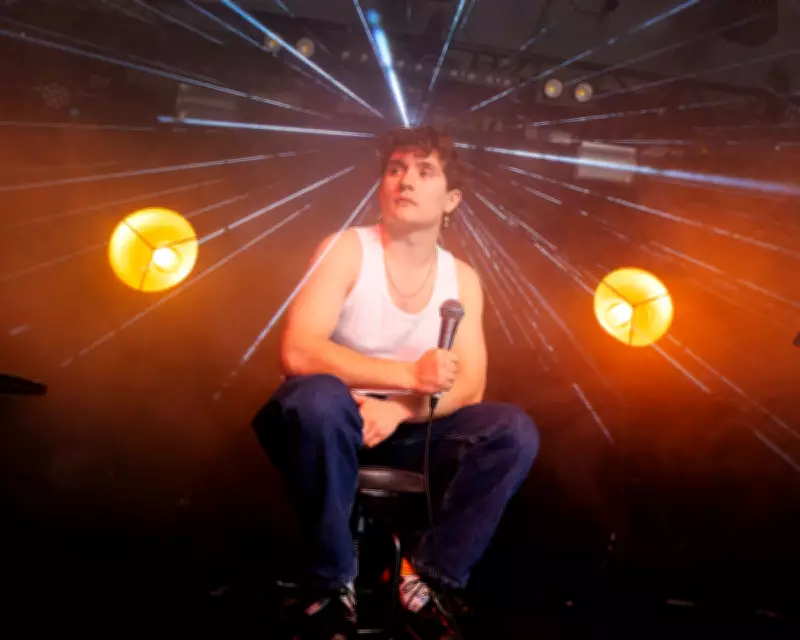
On a frigid evening in East London, 21-year-old performance poet Sam Browne stands before a packed audience at 93 Feet East in Brick Lane, sharing intimate details about his second psychotic episode. "I was in Morocco at 18, completely alone, and I started to feel that things weren't real," Browne reveals to the hushed room. "It got so bad that one day I turned to a random person and told him I was thinking of killing myself. He just said back to me: 'Don't do that – you'll miss the sunset.'"
From Viral Sensation to Cultural Movement
The crowd, composed predominantly of young men and women, listens intently as Browne transitions into his poem You'll Miss the Sunset, inspired by that Moroccan breakdown. "The world is so beautiful, the least you could do is stick around to watch it," he declares with a subtle smirk before adding, "But it's all shit, all of it, isn't it?" This blend of brutal honesty and droll observation has propelled Browne to viral fame, with over 160,000 Instagram followers and performance videos regularly attracting millions of views across social media platforms.
Browne's mission is clear: to fundamentally transform how men perceive themselves and support one another. "We need to offer up an alternative masculinity from the one that boys have been trained to live," he asserts. "If one way that can happen is through poetry, I'm very happy to lead this movement." Despite only beginning regular performances at open mic nights eighteen months ago, Browne has already abandoned his teaching assistant position to tour nationally as a full-time poet.

Confronting Backlash and Finding Purpose
This rapid ascent has come with significant personal cost. "I've had death threats, people calling me slurs online and even Andrew Tate posting a meme of me on his X account," Browne discloses during an interview at London's National Theatre. The controversial influencer and manosphere proponent, boasting eleven million followers, mocked Browne's work in a now-deleted post after Browne's poem Silly Billy went viral in February 2025, accumulating over fifteen million views.
The poem weaves together statistics on sexual violence with nostalgic school memories, concluding with an anecdote about a character named Billy who assaults a girl at a party. Its refrain—"Billys aren't evil, they're failures of a system / A misguided form of discipline"—particularly resonated across social media. "I wrote it when I realised how prevalent sexual assault is," Browne explains. "I spoke to my female friends and found out it's something that has happened to almost every woman. Rather than just singling out a perpetrator as a rotten apple, it's actually a rotten system."
Personal Journey Through Mental Health and Identity
Browne's path to poetry was neither straightforward nor conventional. Growing up in Southend, Essex, he describes spending his school years "masquerading as a different person" within what he calls "Love Island country"—a "look-obsessed culture, a geezer town" where he adopted lad culture while suppressing his true identity. "I would spend most of my time at the pub talking about football and women, but it wasn't who I really was," he reflects. "I realise in hindsight that my queerness was trying to get out." Browne now identifies as bisexual.
His mental health struggles began at fifteen after excessive cannabis use. "I remember getting very drunk and high when I was 15 and feeling something snap in my brain. I wasn't the same again for years after that," he recounts. Following episodes of psychosis, depression, and an irrational fear of sleep, Browne sought NHS therapy, quit drugs, and initially turned to standup comedy before discovering poetry's healing potential during travels through Australia and Southeast Asia.

Building a New Community Through Radical Honesty
By August 2025, Browne had fully committed to poetry, rehearsing and performing weekly while living with his 96-year-old grandmother in London. He immersed himself in works by Wendy Cope, Matthew Dickman, and David Berman, developing an accessible yet meaningful poetic style. "People know a lot about a very specific part of me and I'm comfortable with talking about my mental health because everyone has it," Browne states. "It's vulnerable but it seems worth it since a poet's job is to be honest. We need people speaking about the ugly realities of mental health."
This radical honesty forms the cornerstone of Browne's approach to redirecting young men from damaging role models like Andrew Tate. "You can't address it head-on and tell a 14-year-old boy what to do – they'll just laugh at you," he observes. "You have to show them there's another way to be a man. They're only one good role model or PSHE lesson away from changing their worldview."
Measuring Impact and Looking Forward
Despite occasional online harassment, Browne believes his work creates tangible positive change. "I get so many messages from people thinking they were going to take their own life and then they would see a video of mine at 2am and it stopped them," he shares. "Growing up I didn't think the phrase 'You saved my life' would be said to me as often as it is, but I do it for myself, too, as it saved me."
Looking ahead, Browne is developing a book, longer-form YouTube content, and potentially a podcast. "The manosphere is dead and no one cares about Tate any more," he declares. "Now it's pseudo-intellectuals and right-wing commentators on podcasts espousing the same message in a different form, and it will go on to shift again. We need to keep changing with it because if we resort to just name-calling, we'll only push them further down the rabbit hole."
With stable mental health, regular therapy, and a supportive poetry community, Browne remains committed to his mission. "Poetry accepts everybody, especially those who've spent their lives feeling outcast," he concludes. "I genuinely believe I'll be OK now – I just want every poem to be a reason for someone reading or listening to stay alive."