The Tragic Discovery That Changed a Life Forever
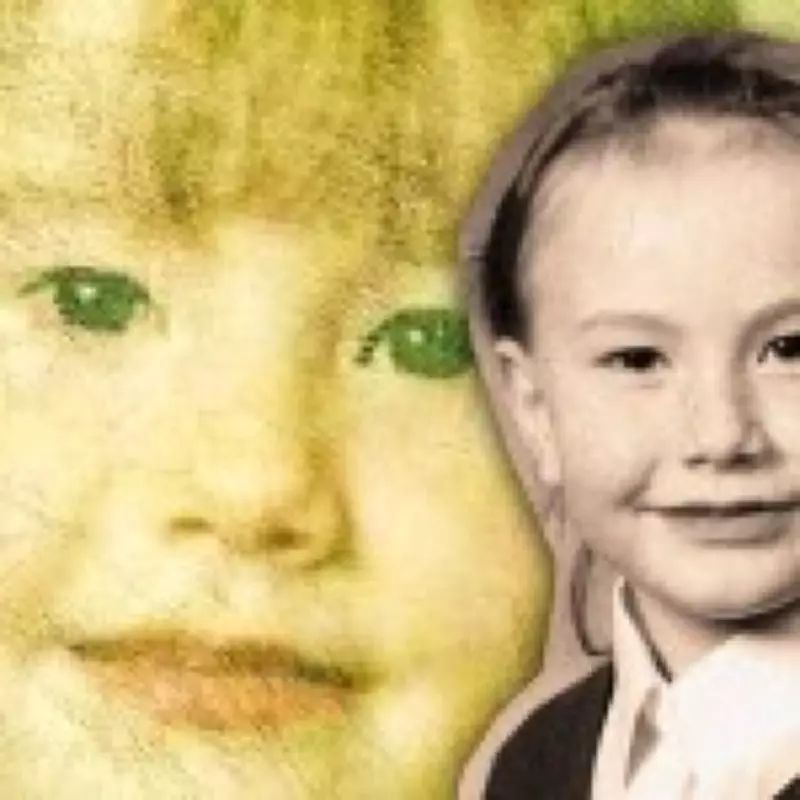
Vickie Robertson was just 13 years old when she saw the newspaper headline that would haunt her forever. "Why did she die?" it asked solemnly beneath a smiling portrait of seven-year-old Stacey Queripel. Instantly, Vickie recognized the face beaming back at her - it was her sister, a sibling she had never met due to a troubled family background.
Days earlier, Stacey had seemingly vanished from her family home in Bracknell on January 24, 1993. Just two hours after being reported missing by her mother Gilliane, the schoolgirl's body was found in nearby woodland. Now, 33 years later, the question of what happened to Stacey remains unanswered - and Vickie has dedicated her life to finding justice.
A Family Torn Apart
Although adopted at age three, Vickie spent her earliest years with her birth mother in what she describes as a volatile environment. "There was ongoing domestic violence and my stepdad was eventually imprisoned," she explains. "I may not remember everything, but I still carry the physical and invisible scars."

Her birth mother went on to have two more children, occasionally sending pictures to Vickie through her adoptive family. "I desperately hoped one day I would meet them," Vickie remembers. "I have a picture of Stacey holding a photo of me."
When she discovered her sister's photo on that newspaper front page, Vickie "immediately knew who it was." Her adoptive mother called social services, and police soon confirmed the devastating news: Stacey had been murdered.
The Horrific Details Emerge
As details unfolded, it transpired that Stacey had been strangled by her plastic necklace. Home Office pathologist Dr Richard Shepherd concluded she had likely been killed elsewhere before being left in the woodland, as her shoes were clean despite the muddy undergrowth.
Their mother Gilliane was arrested but released without charge. An inquest recorded the little girl's death as unlawful killing, but due to insufficient evidence, no one has ever been charged despite fresh police appeals.
"It's the news that you hope isn't true," Vickie says of learning about her sister's fate. "Then realisation hits: I clung to the dream of connecting with my family - it kept me going. When it was whipped away I felt grief for a life that I'll never have."
Cycles of Trauma and Recovery
The discovery took a severe toll on the teenager. "Seeing your birth mum arrested and on the national news was incredibly isolating - I felt like I was living in a zombie state," Vickie recalls. "It was a lot to bear, and as a result I even attempted to take my life as a teenager. I wanted to be reunited with my sister and thought I didn't deserve to be here."
As an adult, Vickie found herself trapped in a dangerous cycle of domestic abuse mirroring her childhood experiences. After giving birth to her eldest child in 2008, she became entangled in a 13-year abusive relationship during which she had her second child.
The abuse reached horrifying levels - she was forbidden from using the bathroom or changing sanitary pads after childbirth in case the baby needed her. When 34 weeks pregnant with her third baby in 2009, Vickie was physically attacked in front of one of her children after taking too long shopping.
"Hearing my daughter's scream will haunt me forever," she admits. "She saved my life. Despite the horrific assault, the most degrading part was him spitting in my face. I felt less than human."
Her partner was eventually convicted of multiple offences including assault by beating, stalking, harassment and breach of non-molestation order.
Finding Purpose Through Helping Others
A turning point came in 2015 when Vickie saw images of drowned refugee toddler Alan Kurdi. "I had a child of a similar age and was deeply moved," she explains. "I started supporting refugees, which infuriated my partner at the time. But helping people brought me so much happiness - I think that was my turning point."
This experience spurred Vickie to establish her own domestic violence support charity called Kaleidoscopic. "I want to help people to thrive, not just survive," she explains.

What began as a "Coffee, Cake and Craft" support group has grown into an organization delivering sessions to over 10 sites monthly, including a specialized playgroup that allows mothers to connect with others who have faced similar situations.
"I get quite emotional thinking about it," Vickie says. "I've created the services I never had when I escaped."
The Fight for Justice Continues
Alongside her charity work, Vickie continues pushing for answers about what happened to her sister. After 30 years, the case was eventually reinvestigated with support from Bracknell MP James Sunderland.
Peter Beirne, head of the force's major crime investigation review team, believes there are people with "information or suspicions about Stacey's murder, but for whatever reason have yet to inform the police."
"The time has come to provide that information," he told reporters. "My team will never stop investigating cold case murders."
However, significant challenges remain. While some evidence can no longer be tested, time also erodes validity and witness testimony.
"Why do we not have national guidance?" Vickie asks. She is now calling on the government to create "Stacey's Law" - legislation ensuring all serious cold cases are reviewed within 5-10 years.
"Some regions already do this, why not all? Justice shouldn't rely on a postcode lottery," she argues. "If we can change the system for others, that's for Stacey. No one should have to wait 33 years for justice."
For Vickie, keeping her sister's memory alive remains paramount. "Stacey's name deserves to be kept alive. That's my driving force," she says. "Her killer has had years of freedom she didn't get."