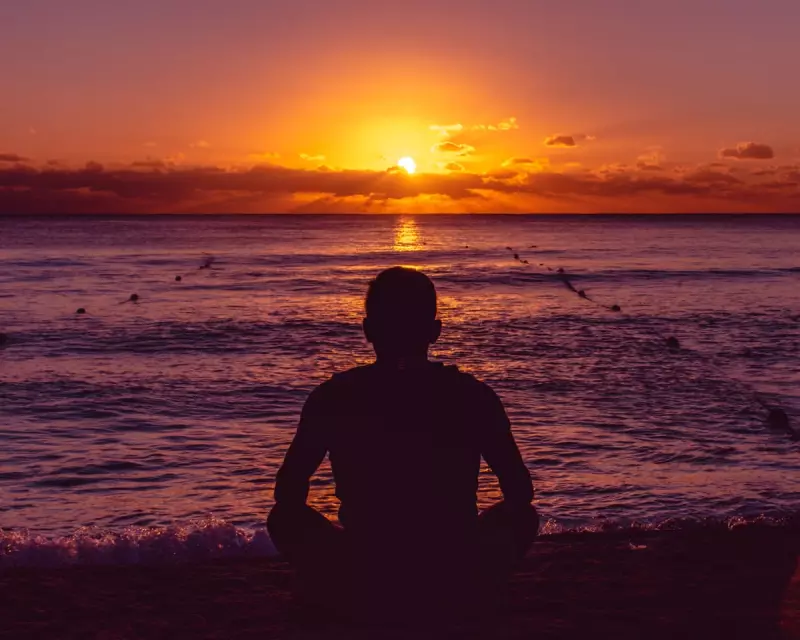
As the long summer break beckons, many of us dream of idyllic days spent lounging on the beach. For writer and academic Sunil Badami, however, the fantasy is rather different. His recurring dream involves a frantic race against time, digging a hole in the sand while an inexorable tide rushes in to fill it.
The Modern Epidemic of Busyness
This vivid metaphor captures a pervasive modern anxiety. Badami describes a life constantly spent running from place to place and swerving from emergency to emergency, trying to juggle work and family as the hours in the day evaporate. Despite an interesting career, he often works between 50 to 70 hours a week, accruing so much time in lieu that he must take seven weeks off over summer.
He acknowledges his fortune in having such extended leave, yet finds himself trapped in a cycle of busyness. The dream of laziness remains elusive. "I just can't do nothing, no matter how hard I try," he confesses. His reality is one of constant alerts and bombardment, struggling to remember an endless list of tomorrow's tasks.

Why Can't We Switch Off?
This inability to truly rest raises profound questions. Why do we feel guilt when engaging in activities we love, rather than those we feel we 'should' do? Why is every moment scheduled, leaving no unforgiving minute unfilled? Badami contrasts this with Guardian columnist Adrian Chiles, who calculated he'd 'wasted' 7,300 hours lazing in bed. But is it truly a waste compared to lengthy commutes or unproductive Zoom meetings?
Badami is far from alone in this struggle. He points to a troubling national trend: Australians work among the longest hours in the developed world, contributing up to two months of unpaid overtime annually. This has created one of the world's poorest work-life balances.
The Productivity Paradox and the Path to Flow
Here lies a central paradox: like the dream hole filling with sand, the more we do, the less we seem to accomplish. Despite increased work hours, productivity growth has slowed over the past 50 years and plummeted since the 1990s. The cost is high, manifesting in increased stress and diminished physical and mental health.
The article suggests that true downtime, like sleep, can prevent burnout and refresh the mind. It references great religious figures who found enlightenment through withdrawal and contemplation. Yet, as with meditation, doing nothing is hard work. It requires resisting a rush of negative thoughts and pressing to-do lists.
The solution may lie in moments of pure immersion. Badami recalls times of deep relaxation where he lost all sense of time and obligation, mirroring psychologist Mihaly Csikszentmihalyi's concept of 'flow'. This state of being completely absorbed in the moment provides a powerful sense of joy and fulfilment.
His summer resolution is a simple yet radical one. When asked what he's up to, he plans to follow his children's example and say, "nothing" – and truly mean it. The answer, it seems, is not in trying harder to relax, but in ceasing the struggle altogether.