Kent Meningitis Outbreak Reveals Unexpected Unity in Post-Covid Britain
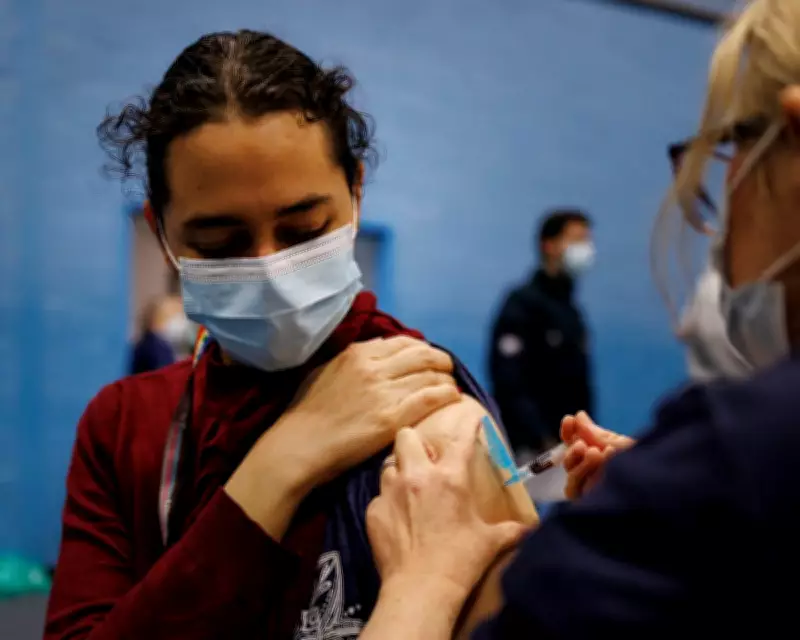
In March 2026, a student receives the meningitis B vaccine at the University of Kent in Canterbury, marking a pivotal moment in Britain's public health response. This image captures more than just a medical procedure—it symbolizes a nation learning to cooperate again after years of pandemic division.
From Pandemic Fatigue to Public Health Cooperation
Roughly six years after the UK entered its first Covid-19 lockdown, many experts wondered whether Britain had become too fatigued and distrustful to respond effectively to another health crisis. The stringent measures implemented between 2020 and 2022, combined with political scandals and vaccine skepticism, created legitimate concerns about public willingness to follow health guidance. When meningitis B cases emerged in Kent, these concerns intensified among public health professionals who feared the public might ignore expert advice.
A Coordinated Response That Worked
The UK Health Security Agency (UKHSA) launched a remarkably coordinated response to the outbreak. Health officials quickly identified meningitis B as the causal agent, traced the source to a nightclub, and implemented targeted measures including contact tracing and prophylactic antibiotics. Once researchers validated the vaccine's effectiveness against the specific Kent strain, a focused vaccination campaign began for those most at risk.

Health Secretary Wes Streeting announced plans to convene technical experts to determine whether broader MenB vaccine rollout would be necessary. While some initial reporting delays occurred between the NHS and UKHSA, government messaging proved largely clear and practical, outlining symptoms and encouraging prompt medical care.
Young People Lead the Way in Community Response
The most encouraging development emerged not from government agencies but from communities themselves. Young people—often stereotyped as the least compliant demographic—actively followed guidance on antibiotics and vaccination. They reduced social mixing during the outbreak's peak and even adopted mask-wearing beyond formal requirements.
Far from showing apathy, communities across Kent sought more information from government sources and demanded additional vaccination clinics for young people. This response suggests that Covid-19 may have made the public more alert to infectious disease dangers rather than less willing to cooperate.
Three Hopeful Takeaways for Britain's Future
This outbreak offers several important lessons for policymakers and the public alike:
- Online narratives don't represent majority opinion: Anti-vaccine social media influencers and algorithmic amplification don't reflect the broader public's willingness to follow health guidance.
- Protective instincts remain strong: People naturally want to protect themselves and their communities from disease and look to government for clear direction and to experts for evidence-based guidance.
- Community-minded Britain persists: Despite talk of a "broken Britain," the Kent outbreak demonstrated that cooperation in the face of shared health risks remains intact. The narrative of a fractured society overlooks the fundamental human instinct to care for one another during crises.
The successful containment of the meningitis outbreak, with no wider transmission or unlinked cases, suggests that Britain has learned valuable lessons from the Covid-19 experience. Rather than creating permanent division, the pandemic may have strengthened public awareness of collective health responsibilities. As Britain faces future health challenges, the Kent response offers hope that communities can and will unite when guided by clear, evidence-based public health strategies.