Measles Outbreak Intensifies in London with Children Hospitalized
A measles outbreak has resulted in children being hospitalized and dozens infected across two regions of the country, as a new map reveals areas where this Victorian-era disease is resurging. Parents are being urgently encouraged to catch up on missed vaccinations following significant outbreaks in London and the West Midlands.
London Emerges as Major Measles Hotspot
As of February 2, there have been 96 laboratory-confirmed cases of measles in England this year. Nearly two-thirds of those cases, specifically 61 infections, were diagnosed in London. The London outbreak appears particularly concentrated in Enfield, where 34 confirmed infections have been reported.
Additionally, up to 60 potential cases awaiting laboratory confirmation have been reported by seven schools and a nursery in Enfield, resulting in one in five affected children requiring hospitalization. Vaccination rates in parts of London are the lowest in the country, with Enfield serving as the epicenter of the outbreak.

Alarming Vaccination Rates Below National Targets
In Enfield, one in three children are not fully protected against measles. Latest figures reveal that just 64.3 percent of children received both doses of the MMR vaccine by their fifth birthday, significantly below the target rate of 95 percent needed for herd immunity.
The majority of remaining lab-confirmed cases were recorded in the West Midlands, with 26 infections including 21 in Birmingham. While vaccination rates in Birmingham are not as poor as some London boroughs, only 75.5 percent of children had received both MMR doses by age five, leaving one in four without full protection.
UK Loses Measles Elimination Status
The UK initially achieved measles-free status in 2017 but lost it two years later before regaining it in 2021, largely due to pandemic social distancing measures. Outbreaks emerged in 2023 and escalated throughout 2024, with England alone recording 2,911 laboratory-confirmed measles cases in 2024 – the highest figure since 2012.
The World Health Organization and UK Health Security Agency have confirmed the virus has re-established endemic transmission, meaning the UK has lost its measles elimination status. Most infections have occurred among unvaccinated children under 10 years old.
Vaccination Uptake Falls to Decade Low
This comes as vaccination uptake has fallen to its lowest level in a decade across England. As of last summer, 91.8 percent of five-year-olds in England had received one dose of the MMR jab, while 83.7 percent were protected by both doses of the vaccine.
From this year, the MMR jab has been superseded by the MMRV vaccine, which provides the same protection as MMR while also covering chickenpox.
Health Officials Issue Urgent Warning
Dr. Vanessa Saliba, Consultant Epidemiologist at UKHSA, stated: "Our latest data shows we are now seeing a big measles outbreak in north east London, mostly affecting unvaccinated children under 10 in schools and nurseries, with some being hospitalized. Measles is a nasty illness for any child, but for some it can lead to long term complications and tragically death but is so easily preventable with two doses of the MMRV vaccine."
She added: "If your child has missed any of their doses it's important to catch up as soon as possible, giving them vital protection against this highly contagious disease, but also helping to protect more vulnerable children around them who are too young or unable to have the vaccine due to a health condition."
Historical Context and Symptoms
Measles has likely been present since the 6th century and was first recognised in the UK in the 17th century. However, it's most commonly linked with the Victorian era when rapid urbanisation and densely populated cities provided an ideal environment for the disease to thrive.
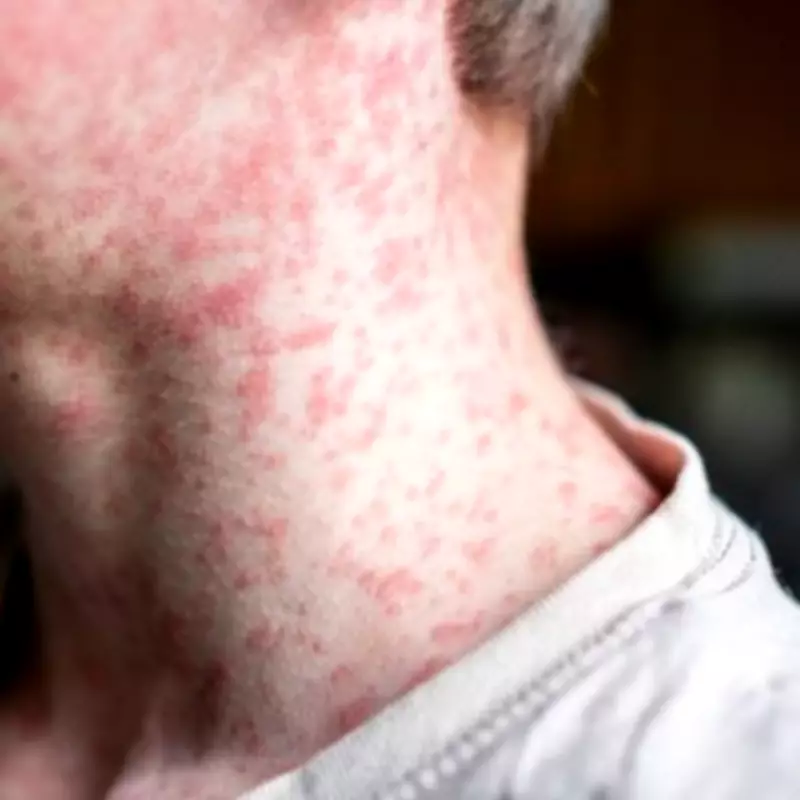
The primary symptoms of measles include a high fever, coughing, sneezing, red and sore watery eyes, followed by a rash that typically emerges after the initial symptoms. While measles generally improves after a week in the 21st century, it can lead to severe complications if it spreads to other parts of the body, such as the lungs or brain.