In June 2025, supporters of assisted dying celebrated outside the Houses of Parliament after MPs voted to back the Terminally Ill Adults (End of Life) Bill on third reading. The bill had officially passed the Commons, bringing the measure closer to legalisation than at any other point in British history. Dame Esther Rantzen, one of the UK's most prominent campaigners for assisted dying, said she was 'so relieved' and added: 'I am astonished I have lived to see the moment.'
However, ten months later, the mood has shifted dramatically. Peers in the House of Lords tabled an unprecedented number of amendments to the bill, effectively ensuring that they would run out of time to scrutinise it before the end of the Parliamentary term. The bill will officially fall this afternoon when the final debate in the Lords concludes.
Kim Leadbeater, the Labour MP who introduced the proposed legislation, and Lord Charlie Falconer, the former Labour justice secretary who led the process in the Lords, described this as 'a matter of great regret'. In a joint statement, they said: 'All of those who have been depending on this Bill to offer them dignity and choice at the end of their lives will be rightly disappointed that Parliament was unable to deliver on its commitment to legislate.'

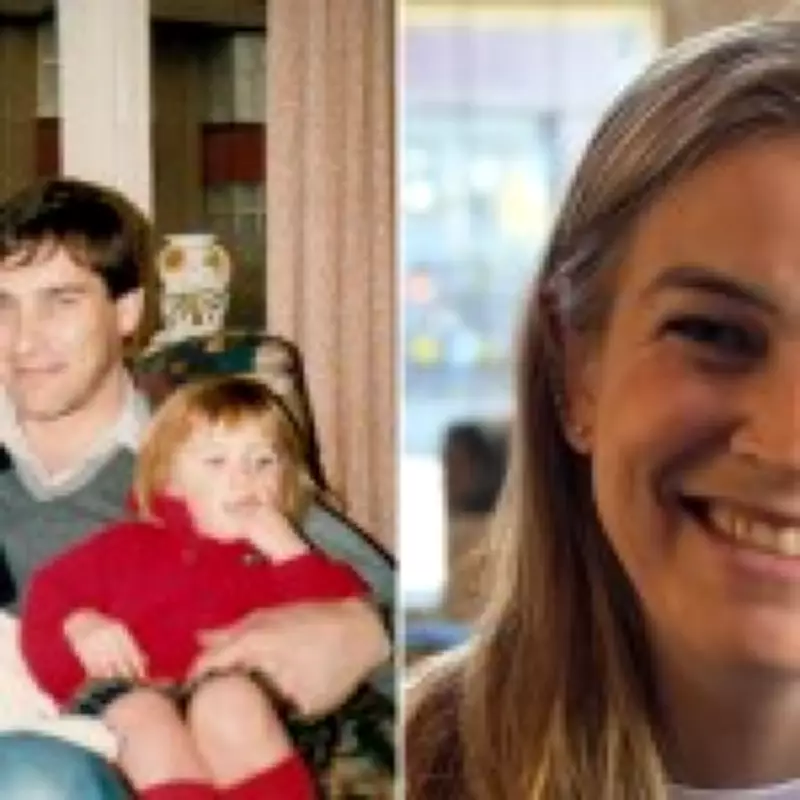
Among those disappointed is Lauren Nicklinson, who has been campaigning for the legalisation of assisted dying in the UK for around 14 years. Her father, Tony Nicklinson, suffered a stroke while on a business trip in June 2005, leaving him paralysed from the neck down and unable to speak. He made clear his wish to die but lived for another seven years while his family fought legal battles seeking permission for a medically assisted death. They were unsuccessful, and he died in summer 2012 after contracting pneumonia and refusing treatment.
Tony's case would not have fallen within the parameters of Leadbeater's bill, which focused exclusively on people with a terminal illness, but Lauren saw it as a 'step towards' a law that would have helped her father. She told Metro: 'I've got a lot of respect for the fact that it is emotive, and it worries a lot of people, so it should be difficult. This should be a really hard thing to get through, no one's saying that it shouldn't be. Of course, it should be a challenging law to put through, because it's complex.'
'But I think I wrongly, and perhaps a bit stupidly, had a bit more faith in the House of Lords that they would scrutinise it from the position of democracy and what people wanted, whereas I think they've just scrutinised it from position of, "I don't agree with this".' She accused peers of acting 'childish' by adding 'stupid, little, tiny amendments' to the bill in a deliberate effort to make it run out of time.
Opponents of the bill in the House of Lords have argued it was unsafe and unworkable as they received it. A letter signed by Baroness Luciana Berger and six other opponents in December stated that a majority of expert witnesses who gave evidence to committees examining the bill indicated it was 'not fit for purpose'. It added: 'Scrutiny should never be conflated with obstruction.'
Despite the setback, Lauren remains positive that the legalisation of assisted dying will come one day. 'I will always do everything I can to support a dignified death for anyone, whether they are terminally ill or not. I will always support that so that there's hope it will happen at some point. It will – whether that's in two years, 20 years, or 200 years, no one's ever going to know.'
She continued: 'If these people aren't the ones to do it for us, it's keeping up momentum, keeping up the campaigning, keeping up the talking and the explaining till we get to the right group of people who are prepared to make the change that we need.'