Nearly half of joggers believe their run 'doesn't count' unless they have tracked it on a fitness device, according to new research.
A poll of 1,000 runners found that 44 percent would not take their cardio seriously without a record of it. More than nine in ten (93 percent) claim monitoring their fitness helps them feel more confident in their overall journey, while 32 percent often adjust their routine based on insights from their data tracking.
The study also revealed that 21 percent of runners prioritise what their tracking data recommends over how they are feeling, and 28 percent think their running would worsen if they did not have the technology to track it.

Technology and Running Habits
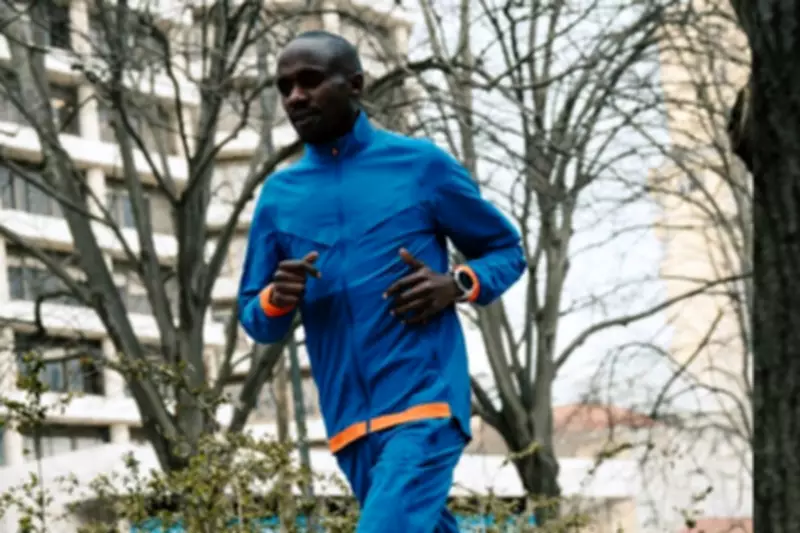
Jacob Kiplimo, world record holder and TeamGalaxy athlete who trains with the Samsung Galaxy Watch8—which commissioned the study—commented: "Consistency is key, but what many people don't realise is that recovery is equally as important as physical training. To compete at your best, you need to maximise your energy, and the only way to do that is through consistent rest."
He added: "Seeing progress mapped out in real time can make a run feel more tangible and rewarding—helping people stay engaged with their goals and take pride in how far they’ve come. But at the same time it also highlights how deeply technology is now woven into our exercise habits."
Tracking Metrics and Recovery
The study found that 75 percent of runners who track their fitness said their running progress is directly informed by their tracking device. The most popular metrics to track include distance (64 percent), heart rate (62 percent), and duration (61 percent), with only 14 percent monitoring recovery and 15 percent stress.
Interestingly, 49 percent of fitness-tracking runners have gone for a run despite their smart device advising rest and recovery. Of those, 39 percent did not run to their full potential, 35 percent had to stop several times, and 28 percent regretted their exercise as it did not feel productive.
During recovery periods, the most popular methods include a hot bath or shower (50 percent), staying hydrated (42 percent), and high protein intake (36 percent). Once recovery is over, 56 percent of those polled typically run a cool 5K, while 36 percent complete half marathons.
Inspiration and Future Plans
When asked about marathons, 82 percent of respondents feel inspired by runners who complete the full 26 miles, with 45 percent keen to sign up for one next year.
Annika Bizon at Samsung UK & Ireland said: "Running has become more data-driven than ever before, and that’s not a bad thing. Tracking can be incredibly motivating and can help people see just how far they’ve come, but what’s equally important is listening to your body. We’re helping runners see the full picture of their health, from sleep and recovery to performance, so they can train in a way that’s more balanced, more informed and more sustainable."