

Hundreds of Driverless Taxis Grind to a Halt, Trapping Passengers in China
A major technological failure struck the streets of Wuhan, China, on Tuesday evening, as up to 200 robotaxis suddenly froze on key motorways, leaving countless passengers stranded and helpless. The incident, which occurred around 8:57 PM local time, involved autonomous vehicles from the Apollo Go ride-hailing service, operated by the Chinese internet giant Baidu, coming to an abrupt stop along the Second and Third Ring Roads and the Baishazhou Bridge.
Chaos and Desperation as Safety Systems Fail
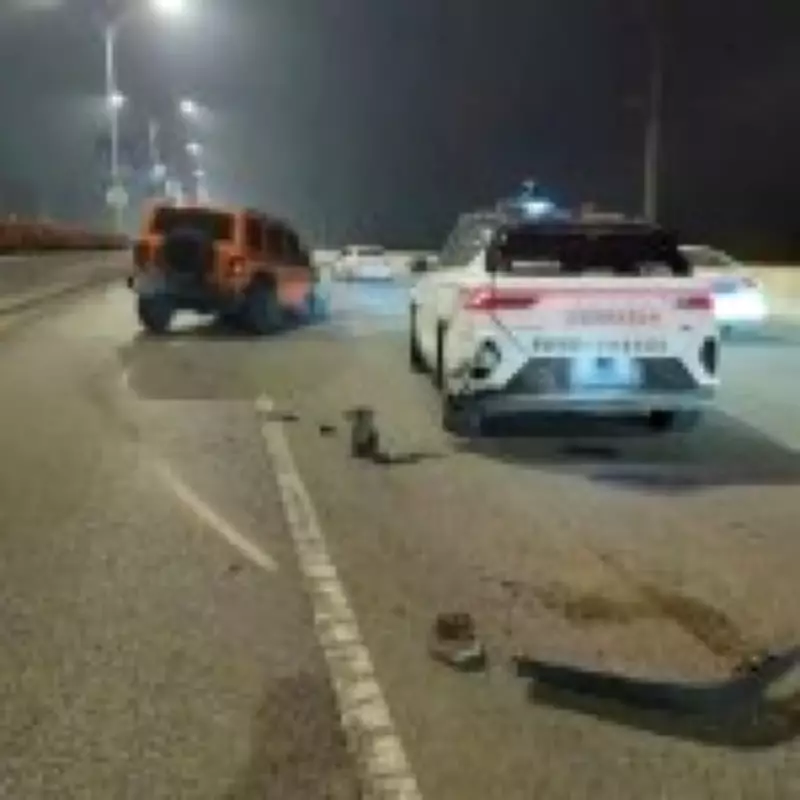
Videos shared on Chinese social media platforms like Weibo and Xiaohongshu depicted a scene of chaos, with riders screaming for assistance from inside the immobilized cabs, their headlights blinking eerily in the darkness. One photograph revealed a taxi that appeared to have been struck by an orange truck, sustaining significant damage, while another customer recounted being trapped in the slow lane as trucks roared perilously close by.
Passengers reported that emergency features, including SOS buttons and onboard help systems, proved completely ineffective during the crisis. A user named Luka, stranded for over an hour, detailed on Xiaohongshu that repeated calls to customer service went unanswered nearly 20 times. In a follow-up video, Luka expressed frustration after being offered only a 50% coupon as compensation, questioning the adequacy of such a response to a serious safety incident.

Police Intervention and Broader Implications for Autonomous Technology
Local police confirmed that between 100 and 200 vehicles were affected, describing such malfunctions as a common problem with Apollo Go cars. Officers noted that while passengers could open doors using a button, they were unable to safely exit onto the busy ring roads, necessitating a coordinated rescue effort. Following established contingency plans, public security and transportation departments quickly mobilized to the scene, working alongside Apollo Go staff to manage the situation and ensure all passengers were safely evacuated, with no injuries reported.
Dashcam footage posted to Rednote highlighted the scale of the disruption, showing 16 autonomous vehicles parked on the road within just 90 minutes. This incident underscores growing concerns as cities worldwide, including London, increasingly adopt self-driving technology. Similar issues have plagued trials elsewhere; for instance, Waymo robotaxis in San Francisco have faced disruptions from vandals and opponents, with vehicles halting due to safety protocols when people approach, sometimes trapping passengers during acts of graffiti or harassment.
Baidu has yet to comment on the cause of the system malfunction, leaving questions about the reliability and safety of autonomous transportation systems. As the world moves toward a future of driverless cars, this event serves as a stark reminder of the potential risks and the need for robust fail-safes and regulatory oversight to protect passengers and public safety.






