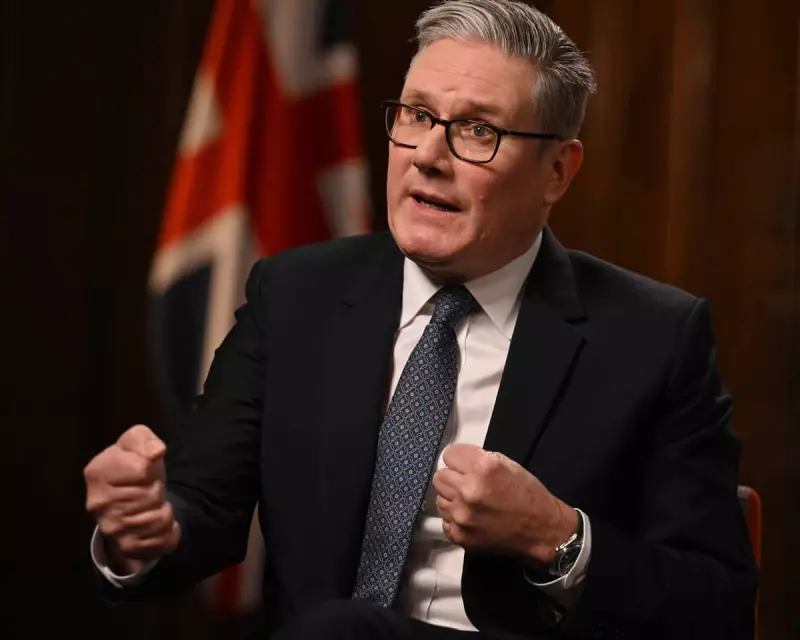
Prime Minister Keir Starmer has definitively ruled out any return to European Union freedom of movement rights, while signalling a significant shift in his government's approach to post-Brexit relations with Brussels.
Single Market Over Customs Union
In a clear statement of intent, Starmer told the BBC's Sunday with Laura Kuenssberg that pursuing closer alignment with the EU single market is now preferable to seeking a customs union arrangement. This marks his clearest indication yet that the Labour administration is actively working to deepen Britain's economic links with the bloc.
"We are better looking to the single market rather than the customs union for our further alignment," the Prime Minister stated. He elaborated that if moving towards "even closer alignment" served the national interest, the government should be prepared to consider it.

Internal Pressure and External Deals
Starmer's position places him at odds with several senior figures within his own party and the wider labour movement. Health Secretary Wes Streeting, Justice Secretary David Lammy, and TUC General Secretary Paul Nowak have all publicly suggested that a new customs union deal could deliver substantial economic benefits for the UK.
However, Starmer argued that the landscape has changed fundamentally since he previously advocated for a customs union. He pointed to new international trade agreements secured under his leadership, including deals with the United States and India, as key reasons for the revised strategy.
"I argued for a customs union for many years with the EU, but a lot of water has now gone under the bridge," he explained, emphasising that the recently signed pacts are in the national interest.
Youth Mobility and Electoral Warnings
While distancing the UK from a full return to free movement, Starmer defended plans for a youth mobility scheme with European nations. This would allow young people to travel, work, and gain experience across the continent, albeit under a more controlled framework.
The Prime Minister also issued a stark warning to internal critics, cautioning that recreating the "chaos" of past Tory leadership battles would risk gifting power to Nigel Farage and the Reform party. He framed the next general election, expected in 2026, as a pivotal battle between a compassionate Labour government and a "very rightwing proposition" from Reform.
Starmer affirmed his commitment to his five-year mandate, stating he would be judged at the next election on whether he had delivered the change the country voted for in July 2024.