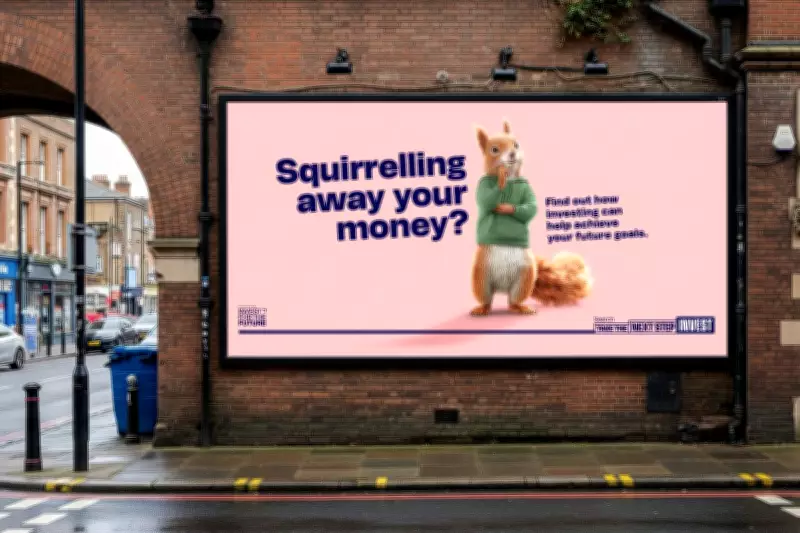
The government cannot promote investing in stocks and shares with one hand while taxing it with the other, according to Steven Fine, CEO of investment bank Peel Hunt. He criticizes the launch of Savvy the Squirrel, a campaign to encourage share ownership, as the government rakes in record stamp duty from existing investors.
Record Stamp Duty Haul
Latest public finance figures show the government collected £4.7bn in stamp duty on share trading in the last financial year, the highest since records began. That amounts to nearly £400m per month. Fine acknowledges the campaign is well-meaning, stating that Britain needs a stronger investing culture. However, he highlights the contradiction of urging more people into the market while taxing those who already invest.
The Contradiction
Every purchase of UK equities carries a 0.5% stamp duty, a tax on backing British business. Fine argues this sends the wrong signal, especially as the government takes record amounts from investors. He notes that competing markets like the US, Germany, Australia, and Japan do not tax share purchases this way, making the UK less competitive.

Reviving Capital Markets
Fine emphasizes that regulatory reform alone will not revive capital markets. Markets need investors, liquidity, and confidence, but stamp duty acts as a handbrake on all three. He calls for Chancellor to use the autumn Budget to begin phasing out stamp duty on share trading, starting with a cut to signal change and release the brake.
Benefits of Abolition
Despite short-term fiscal costs, Fine argues the upside includes more retail participation, capital flowing into British companies, better valuations, more listings, and stronger growth for the City and economy. He concludes that clinging to a tax that discourages the behavior the government wants is counterproductive, urging a cut to truly be Savvy.