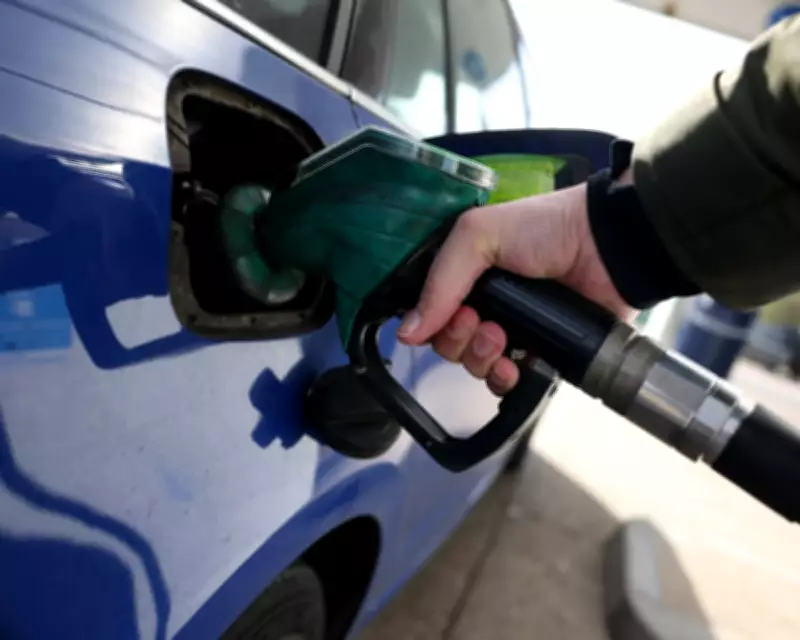
OBR Warns Middle East Conflict Could Elevate UK Inflation to 3% by Year-End
The Office for Budget Responsibility (OBR), the government's independent economic watchdog, has issued a stark warning that the escalating US-Israeli military conflict with Iran could reignite inflationary pressures in Britain, potentially pushing the inflation rate close to 3% by the end of 2026. This projection marks a significant increase from earlier forecasts, which anticipated inflation nearing the Bank of England's 2% target.
Energy Price Shock Drives Inflationary Fears
David Miles, a senior official at the OBR, testified before the Commons Treasury committee that the Middle East crisis has triggered a sharp rise in energy prices, with oil and gas costs surging since the conflict began. He emphasized that if current energy price levels persist, the UK could face a "material, significant" uptick in inflation, leading to a "noticeable" and "unwelcome" increase in living expenses for households across the nation.
Oil prices, which briefly soared above $100 per barrel, have since moderated but remain elevated, with Brent crude trading at $89 recently—nearly a fifth higher than pre-conflict levels. Similarly, gas prices have jumped by more than 50%, exacerbating concerns over sustained inflationary pressure.

Chancellor Reeves Highlights Economic Risks
Chancellor Rachel Reeves has echoed these concerns, urging Britain to brace for rising inflationary pressures as the fallout from the Middle East war begins to affect domestic energy bills. Despite Labour's prioritization of cost-of-living measures, including efforts to reduce energy expenses, economists warn that a protracted conflict could drive energy prices higher, stoking inflation not only in the UK but globally.
Currently, UK headline inflation stands at 3%, down from a peak of 3.8% last year, but the OBR's revised outlook suggests it may not decline as previously expected. This shift has led financial markets to reconsider expectations for interest rate cuts by the Bank of England in the near term.
Global Economic Implications and Uncertainty
The potential for higher inflation poses broader economic challenges, with the City of London now anticipating a more cautious monetary policy stance. The OBR's warning underscores the volatile nature of the situation, as Miles noted that inflation forecasts could change rapidly based on evolving energy market dynamics.
As the conflict continues, the interplay between geopolitical tensions and economic stability remains a critical focus for policymakers and households alike, highlighting the need for vigilant monitoring of energy price trends and their impact on inflation targets.