

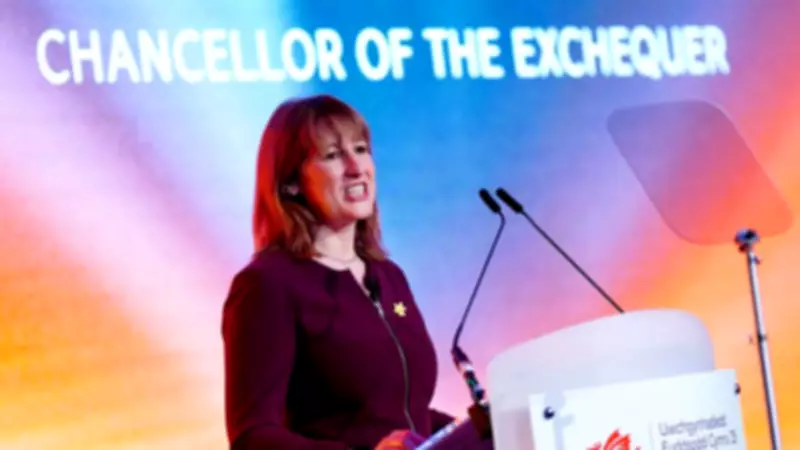
Chancellor Rachel Reeves Delivers Spring Economic Forecast
Chancellor Rachel Reeves left 11 Downing Street to present her spring forecast to Parliament, insisting that the Labour government possesses "the right economic plan" for an increasingly uncertain global landscape. The statement came alongside new projections from the independent Office for Budget Responsibility that revised growth expectations downward for the current year.
Revised Growth Figures and Economic Indicators
The Office for Budget Responsibility now anticipates GDP growth of 1.1% for 2026, a reduction from the previous forecast of 1.4%. This adjustment follows weaker-than-expected economic data from the final quarter of 2025. However, the outlook improves in subsequent years, with growth projected at 1.6% for both 2027 and 2028, while remaining steady at 1.5% for 2029 and 2030.
Reeves emphasized several positive indicators within the forecast, stating that "inflation is down, borrowing is down, living standards are up and the economy is growing." She asserted that the government has successfully restored economic stability through deliberate, measured policies.

Energy Price Surge and Global Uncertainties
The chancellor's address occurred against a backdrop of significant energy market volatility, with Brent crude oil prices climbing 7% to $83.20 per barrel on Tuesday. This surge reflects growing investor anxiety about escalating conflicts in the Middle East and their potential impact on global energy supplies.
Reeves confirmed she has maintained close communication with Bank of England Governor Andrew Bailey to monitor the evolving situation. Additionally, she scheduled meetings with representatives from the North Sea energy industry to discuss the implications of rising oil and gas prices.
Fiscal Position and Labour Policy Measures
Despite instructing the OBR not to assess her performance against fiscal rules during this spring forecast, Reeves highlighted that her budgetary "headroom" has expanded to £23.6 billion, up from £21.7 billion in November's budget. This improvement stems partly from reduced government borrowing costs, though recent market movements have seen gilt yields rise again as inflation concerns resurface.
The chancellor pointed to several Labour initiatives that she believes have strengthened the economic position:
- Shifting green levies to general taxation
- Freezing bus fares and prescription charges
- Removing the two-child cap on benefits
- Funding 30 hours per week of free childcare
Employment Projections and Future Plans
The OBR predicts unemployment will peak at 5.3% this year before declining to 4.1% by the end of the forecast period—a figure lower than when Labour assumed office. Reeves pledged additional action on youth unemployment and economic inactivity in coming weeks.
Looking ahead, the chancellor announced plans to deliver a major lecture later this month outlining Labour's economic approach, focusing on:
- Promoting free trade agreements
- Harnessing artificial intelligence for economic growth
- Expanding prosperity beyond London and southeast England
Market Reactions and Analyst Concerns
Financial markets have tempered expectations for imminent interest rate cuts as rising energy costs complicate the Bank of England's inflation management strategy. Analysts warn that sustained price increases could trigger higher petrol costs and household utility bills—areas where Reeves has committed to providing relief.
The chancellor concluded by affirming her confidence in Britain's economic resilience, stating: "I will chart a course through that uncertainty, secure our economy against shocks, and protect families from the uncertainty we see beyond our borders. I am in no doubt about Britain's ability to navigate the challenges we face."






